
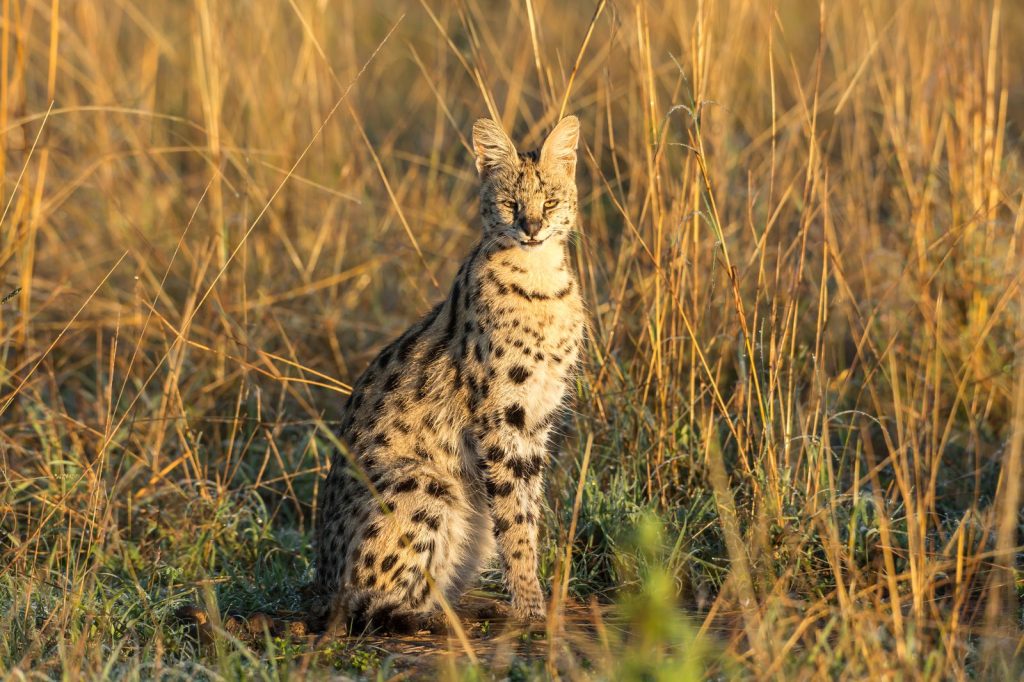
A photography safari in Botswana is a premium wildlife photography trip built around four things: the right gear, good light, a well-placed vehicle, and a guide who understands animal behavior well enough to get you close without disturbing wildlife. For amateur and professional wildlife and nature photographers, Botswana stands out because its mix of water, open habitat, big elephant herds, and predators creates exceptional opportunities in places such as the Okavango Delta, Chobe, Savuti, and Khwai. Seasons and access rules shape what you can shoot, so plan around the locations and species you want most.
This guide covers what to pack, how to use the light, where to sit in the vehicle, camera settings, seasonal conditions, and how to photograph animals ethically. Rules and conditions change, so confirm details with your operator.
A long lens and a wide angle lens cover most Botswana photo opportunities
A telephoto lens is the workhorse of any photo safari. Many photographers bring a long lens in the 400mm to 600mm range for birds and distant predators, and a 70-200mm or 100-400mm zoom for elephants that come close. A versatile lens setup helps you react quickly when the action changes.
A wide angle lens is just as useful. Use it for dramatic skies, Delta landscapes, and elephants crossing a river. Bring two camera bodies if you can, so you are not changing lenses in the dust.
Camera gear must handle dust, heat, and long days
Camera gear faces dust, vibration, and temperature swings on safari. Pack a blower, microfiber cloths, and a rain cover. Bring extra batteries, since cold mornings drain them, and bring more memory cards than you think you need.
Ask your lodge about charging, since power may run on solar or generator schedules. Inside a moving vehicle a beanbag is usually a better support than a tripod, and some camps provide them.
Camera settings that keep moving animals sharp
Mastering shutter speed is essential for fast-moving wildlife. Choose a fast shutter speed, and raise your ISO before you accept a blurry frame. Continuous autofocus helps you keep animals sharp as they walk, run, or fly.
Shoot in RAW so you have room to adjust exposure later, and practice with your settings before the trip so you are not hunting through menus at a sighting.
Golden hours bring the best light for wildlife photography
The best light comes in the golden hours: the first hours after sunrise and the last hours before sunset. Soft, warm light brings out texture in fur and feathers. Midday light is harsh, so use that time to rest, edit, or shoot silhouettes and details.
Storm clouds can add drama in the green season, so ask your guide to plan drives around the light.
Where you sit in the vehicle matters
Photography safaris often use vehicles set up with photographers in mind, with fewer seats and room for gear. Ask for a seat with a clear view and the freedom to move, since that setup makes it easier to get the best photos. Many photographers prefer a vehicle that is not full, so each person has room to shoot on either side.
Tell your guide what you want before you leave camp. Experienced guides know where to find wildlife and how to position the vehicle with the sun behind you and the background in mind, and they can give personalized coaching on technique. Do not stand or lean out of the vehicle, and follow your guide’s instructions at every sighting.
The Okavango Delta rewards patience and low-angle shots
The Okavango Delta is a UNESCO World Heritage Site, with a network of lagoons, channels, and floodplains that support abundant wildlife. From a boat or a mokoro, you sit low, which gives you a fresh angle on birds, reflections, and lilies. Drives and walks, where offered, add other perspectives.
Water levels and access change each year, so check current conditions before choosing a camp. Private concessions in the Delta offer a quieter wilderness feel with lower visitor density, and many allow activities such as off-road driving and night drives, which can help with photography. Confirm what is permitted where you will stay.
Chobe National Park, Savuti, and Khwai offer different photo stories
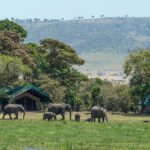
Chobe National Park is famous for its large elephant population, especially along the Chobe Riverfront in the dry season, when elephant herds gather at the water. A boat trip on the Chobe River can put you at eye level with animals drinking or swimming, and photographers may also spot buffalo, Nile crocodiles, and African fish eagles from the water. See our Chobe river cruise guide for what to expect.
Savuti is renowned for predator sightings, including lions and leopards, and its photographic appeal comes from open, rugged scenery and frequent action around big game. Khwai offers strong conditions for lions, leopards, and wild dogs. For wide open landscapes, look at Nxai Pan and Baines’ Baobabs, or continue to the nearby Makgadikgadi Pans. Each area has its own strengths, so match the place to your subject.
Seasons change what you can shoot
The dry season, commonly described as May to October, tends to give predictable wildlife sightings as animals gather around permanent water. The wet season, roughly November to April, brings vibrant landscapes, dramatic skies, and fresh life in young animals and new growth, but roads and access can be harder.
There is no single best month for every subject. Read our best time to visit Botswana for safari guide, then check conditions with your operator. If birds interest you, see our Botswana birding guide as well.
Plan the trip around your photographic goals
A wildlife photographer can base in one national park or pair it with a game reserve like Moremi. Shorter trips suit one or two bases, while longer trips can add Victoria Falls or other parts of southern Africa. Experienced photographers chase swimming elephants, elusive leopards, and big cats at first light, and every visit teaches you to be a better photographer and capture stunning images.
Ethics come before the photograph
The animal always comes first. Keep your distance, stay quiet, and never ask a guide to push an animal for a better shot. Do not use flash, and avoid bright lights at night unless your guide says it is allowed and safe.
Follow the rules of the park or concession. If a sighting feels stressful for the animal, move on. A respectful approach usually leads to better photographs, because relaxed animals behave naturally. Do not feed wildlife, and do not share the exact locations of sensitive nests or dens.
FAQ
What camera gear should I bring on a Botswana photo safari?
Bring a telephoto lens, a wide angle lens, spare batteries, memory cards, and dust protection. A beanbag works better than a tripod in a vehicle. Check with your camp about charging.
What is the best month for a photography safari in Botswana?
It depends on what you want to shoot. The dry season often suits wildlife at water, while the green season suits dramatic skies and birds. Confirm conditions with your operator.
Can you self-drive for photography in Botswana?
Self driving is most realistic on main routes, while some remote areas require more 4×4 capability, planning, and attention to park rules and safety. A guided vehicle usually gives more freedom to focus on shooting.
How much does a photo safari cost?
Botswana offers luxury lodges and budget-friendly options, and prices vary widely by camp, season, group size, and itinerary. Budget options can include camping in towns like Maun. See our Botswana safari cost guide and confirm current rates with an operator.
Practical tips
- Tell your guide your photographic goals on the first day.
- Shoot with a fast shutter speed and check it often.
- Carry a lens cloth and clean gear at every stop.
- Back up memory cards each night.
- Wear neutral colors and keep movement quiet.
- Slow down and observe before you raise the camera, and think about backgrounds and behavior.
- Start planning early so you can confirm the season, camp style, and transport.