

The best time to visit Botswana for safari is the dry season from May to October, when wildlife congregates around shrinking water sources and game viewing is at its easiest. That said, Botswana has distinct dry and wet seasons for safari experiences, and each window delivers something the other cannot.
May to October is the safest bet, and the green season rewards a different kind of traveler
The best time for a safari in Botswana is May to October, when sparse vegetation and limited water push animals into the open.
August to October is peak season for wildlife sightings, with dramatic concentrations along the Chobe River and across the Okavango Delta.
Botswana’s green season from November to March is ideal for bird watching, dramatic skies, and baby animals at lower rates.
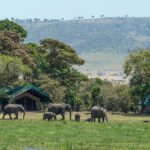
Chobe National Park from July to October hosts some of the largest elephant gatherings in Africa, with herds packing the riverfront.
Botswana is a year-round safari destination, so the right month depends on what you most want to see.
Dry Season (May to October) Offers the Classic Botswana Safari Experience
Botswana’s dry season runs from May to October. Expect clear skies, almost no rain, and less vegetation that thins week by week. Wildlife viewing is optimal during the dry season because animals have fewer places to drink.
Shrinking watering holes and rivers draw herds into the open, improving your chances of seeing big cats, African wild dogs, elephants, and buffalo. Wildlife visibility is highest during the dry season, and this is when guides report the most consistent animal sightings across national parks.
Temperature patterns swing noticeably. June and July are Botswana’s coldest months, with very cold nights in parts of the Kalahari Desert and cool mornings near Maun, while afternoons warm up comfortably. By September, heat builds. October is Botswana’s hottest month, and midday temperatures can become extreme.
The best months for a classic safari experience are June through August. Families and first-time safari goers usually find this stretch the most comfortable balance of mild weather, clear visibility, and varied activity options including boat trips and walking safaris.
This is also peak season for demand and pricing. Travelers who want specific camps in the Okavango Delta or Chobe National Park should book well in advance, often many months ahead for the most popular lodges.
Green Season (November to March) Rewards Travelers Who Love Space and Color
The green season runs from November to April. Summer rains transform Botswana into lush landscapes of tall grass and flowering trees, punctuated by afternoon showers and dramatic skies.
Wildlife spreads out when seasonal rains fill temporary pans and rivers. Thick vegetation during the green season can make wildlife spotting more challenging, but game viewing is still very rewarding. The green season brings abundant young animals and active predators drawn to calving grounds.
Green season advantages stack up quickly:
Fewer vehicles at sightings
Lush greenery and green scenery for photography
More flexible rates at many camps
Excellent bird watching thanks to migratory species
Birdwatching is particularly good during the green season, with Botswana home to hundreds of bird species. Migratory birds return from the Palearctic, displaying breeding plumage. Afternoon thunderstorms mark the green season, but these are often brief and followed by soft, painterly light.
Practical considerations include higher humidity, some roads becoming tricky after heavy rain, and increased insect activity. Crowds are lower during the green season, often with lower accommodation rates, making this window appealing for budget-conscious couples and repeat visitors.
Month-by-Month Guide Helps You Match Botswana to Your Travel Style
Conditions shift slightly each year, so treat this guide as typical patterns rather than guarantees. Scan for your planned travel window to narrow down expectations for heat, rainfall, and wildlife behavior.
January in Botswana: Lush Landscapes and Peak Calving
Botswana January is deep green season. January is one of the rainiest months. Afternoon storms produce vivid, photogenic skies over the Central Kalahari Game Reserve and Makgadikgadi pans.
January is ideal for seeing newborn wildlife and migratory birds. Many plains species are in calving season, and newborn animals draw predators into dramatic hunts. Lush vegetation can conceal smaller game, but the spectacle of new life compensates. Some dirt tracks may be tricky after heavy downpours.
February in Botswana: Quiet Camps and Intense Bird Watching
February sits in the peak rainy season with similar heat and humidity to January. February is excellent for birdwatching with vibrant migratory species filling wetlands, river edges, and floodplains.
February features peak birdlife and zebra migration. Zebra herds move across the Makgadikgadi area, creating striking scenes on green grass. This month suits travelers who value solitude, bird migration, and dramatic skies over guaranteed big game density.
March in Botswana: Transition to Softer Light and Easier Travel
March still falls in the green season but usually sees easing rains and slightly cooler nights. Landscapes retain lush vegetation while becoming less waterlogged.
Predators follow plains game drawn to remaining green grazing. Bird watching remains strong, and insects begin to decline toward month’s end. March is a shoulder season month that balances green beauty with improving access.
April in Botswana: Comfortable Weather and Emerging Shoulder Season
April is a classic shoulder season month. Rain tapers, moderate temperatures settle in, and skies often stay clear for long stretches. Many guides report improving game viewing as vegetation starts to thin.
April marks the start of the impala rut and predator activity, creating dynamic sightings in areas such as Moremi Game Reserve and edges of the Okavango Delta. Camps are generally quieter than during peak season.
May in Botswana: Start of Botswana’s Dry Season and Consistent Game Viewing
May begins the dry season with concentrated wildlife around waterholes. Cooler mornings arrive alongside increasingly clear skies across northern Botswana.
Grasses die back, making game viewing noticeably easier. Water begins gathering in the Okavango system via the Okavango River even as local rainfall drops. May is ideal for travelers who want strong wildlife sightings before the busiest weeks of peak season.
June in Botswana: Cool Nights and Rising Okavango Waters
Botswana June is a favorite among guides. Expect sunny days, crisp mornings, and very little rain. Chilly nights are the norm, particularly in semi-desert zones.
The Okavango Delta’s water levels peak from June to August as floodwaters arrive from Angola’s highlands. Channels fill while skies stay dry, supporting mokoro and boat excursions. June sees wild dog pups emerging and large herds gathering along the Chobe River and Boteti River. Pack warm layers for dawn drives.
July and August in Botswana: Peak Game Viewing and Busy Camps
July and August form the heart of high season. Cold nights give way to warm, comfortable midday temperatures. July to September is prime time for wildlife visibility.
Parks like Chobe National Park and Moremi Game Reserve deliver spectacular wildlife viewing: dust, golden light, and elephants gather at waterholes by the hundreds. August offers excellent wildlife visibility and conditions for water-based activities in the Okavango Delta. The bustling Chobe riverfront area draws massive buffalo and elephant herds.
Demand is intense. Travelers wanting specific lodges or family rooms should secure dates months ahead.
September and October in Botswana: Intense Heat and Spectacular Concentrations
September is very dry with sparse vegetation. Wildlife clusters around limited water points, especially in northern Botswana. September and October are best for concentrated wildlife activity.
October is the hottest month with high predator activity at rivers and pans. Temperatures can soar, but the reward is extreme density of animals and long sightlines. These summer months suit experienced safari travelers and photographers comfortable with heat who want dramatic predator-prey scenes.
November and December in Botswana: First Storms and New Life
November marks the start of calving season for many species, coinciding with the first rains of Botswana’s green season. Fresh grass attracts grazing herds, and birthing season draws big cats and wild dogs close.
December brings more regular afternoon rains, bright lush greenery, and the return of migrating birds. Migratory birds return in force, with migratory species filling every wetland. Newborn wildlife appears across the savanna. These months suit travelers wanting dramatic weather, young animals, and fewer vehicles.
Regional Highlights Show That “Best Time to Visit” Depends on Where You Go
Botswana’s main safari regions do not all peak at exactly the same time. The time to visit Botswana depends partly on which landscapes matter most to you.
Region | Best Window | Key Draw |
|---|---|---|
Okavango Delta | June to October | Water and land safaris, flood peak |
Chobe National Park & Chobe River | July to October | Elephant herds, boat trips |
Linyanti & Savuti | July to October | Predators, wild dogs, walking safaris |
Central Kalahari Game Reserve | December to March | Zebra herds, springbok, green pans |
Makgadikgadi Pans | December to April | Zebra migration, flamingos |
Okavango Delta typically shines from June to October for a mix of water and land activities. Chobe’s riverfront is especially intense from July to October, when animals gather along the banks. Central Kalahari and Makgadikgadi are often at their best from December to March, when wildlife movement brings plains game back to greening pans.
Consider a multi-region itinerary that crosses seasons, combining a dry-season Okavango stay with a green-season Kalahari extension.
Special Interests: Best Times for Birding, Photography, Water Safaris, and Baby Animals
Interest | Best Months | Notes |
|---|---|---|
Bird watching | November to April | Birdwatching peaks from November to April in Botswana; bird migration and breeding season displays |
Photography | March to May, August to October | Dramatic skies plus stark light and dust; expect clear skies in dry months |
Water safaris (Okavango) | June to August | Deepest channels for mokoro and boat excursions |
Baby animals | November to February | Calving season, newborn animals, predator action |
Photographers should note that the rainy season delivers rich post-storm light, while the late dry season offers intense golden hours. For baby animals specifically, the period around the Chobe and Savuti areas during breeding season produces some of Botswana’s most vivid predator-prey encounters.
Practical Planning: Weather, Comfort, and Crowd Levels by Season
Botswana occurs within a broad climate pattern: summer rains from roughly November to March and cooler, dry winters from May to August. The dry season runs from May to October, and the rainy season in Botswana is from November to April.
Comfort factors to weigh:
Cold nights in winter require warm layers on open vehicles
Green season humidity can feel intense in canvas tents
October heat challenges midday comfort but delivers extraordinary animal sightings
Crowd levels track directly with seasons. June to October is busiest in flagship areas. Green season offers quieter camps, more flexible pricing, and room for spontaneous bookings. Some activities or routes may be restricted by heavy rain or very low water, so working with current, local information matters.
Align your personal tolerance for heat, cold, and potential afternoon showers with your wildlife priorities rather than chasing one universal best time to visit.
Every traveler type has a best month for Botswana
Different travelers get the most from different windows, from Botswana January thunderstorms to the crisp air of Botswana June. Rather than chasing only peak season, match the season to your priorities.
Typical traveler profiles:
Families aiming for July or August for mild weather and reliable sightings
Photographers eyeing March, April, or late September for light and drama
Birders choosing green season months for migratory species
Repeat visitors exploring the Kalahari Desert or Makgadikgadi in summer months
Botswana is genuinely a year-round safari destination. Visit Botswana with a clear sense of what excites you, and the right season will follow.
First-time visitors ask about other countries, booking windows, malaria, packing, and Victoria Falls
Is Botswana or Another African Country Better for My First Safari?
Botswana is ideal for travelers who value low-impact tourism, excellent guiding, and strong wildlife across key regions like the Okavango Delta and Chobe National Park. Botswana has fewer large lodges than some neighbors, which often means quieter sightings and a more exclusive feel across its national parks.
How Far in Advance Should I Book a Botswana Safari in Peak Dry Season?
Many Botswana specialists recommend planning many months ahead for June to October, especially for small camps, family rooms, and popular concessions. Shoulder season and green season bookings can often be made closer to departure, though festive periods around December still benefit from early planning.
Do I Need Malaria Precautions at All Times of Year in Botswana?
Health authorities consider much of northern Botswana a malaria risk area, particularly during and after the rainy months. Consult a qualified travel doctor well before departure for up-to-date guidance on prophylaxis, repellents, and protective clothing, as recommendations can change.
What Should I Pack for Botswana’s Winter Dry Season?
Pack layers: a warm jacket, hat, and gloves for open vehicles at dawn and after dark, plus light shirts and trousers for sunny midday hours. Neutral colors, closed shoes, a scarf against dust, sunscreen, and a beanie for cold mornings in places like the Kalahari Desert and open Delta camps are all worthwhile additions.
Can I Combine Botswana with Victoria Falls, and When Is That Best?
Many travelers pair northern Botswana with Victoria Falls in Zambia or Zimbabwe using regional flights and road transfers. May and June are often highlighted as an excellent compromise, when Victoria Falls still carries significant water flow and Botswana has entered the dry season with strong early game viewing.