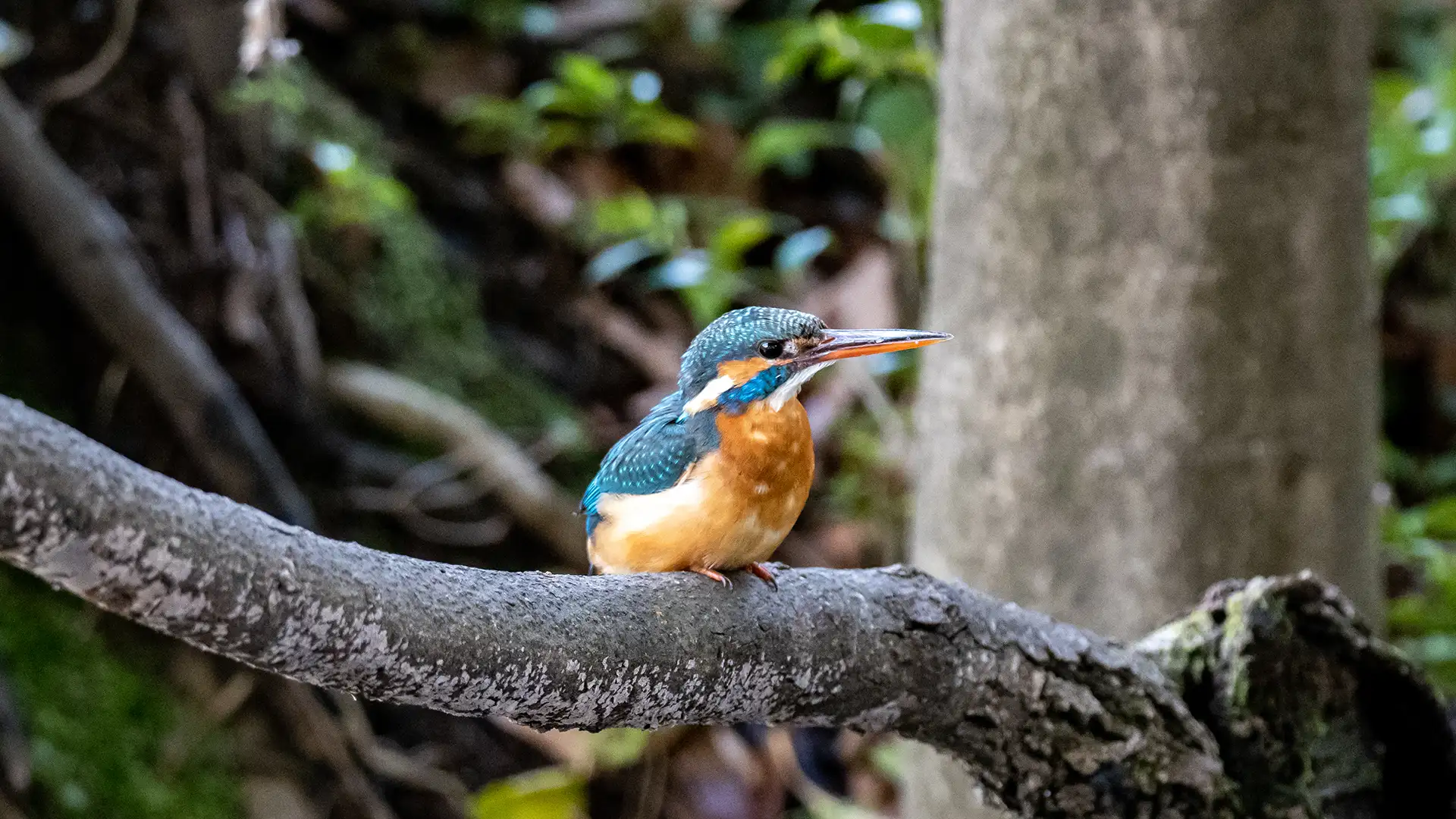
What Is a Birdwatching Safari?
A birdwatching safari is a wildlife experience focused on observing, identifying, and appreciating birds in their natural habitats. It can be a dedicated birding trip led by a specialist guide, or it can be part of a broader safari where travelers slow down to notice the smaller details between major mammal sightings.
For many first-time safari travelers, birds begin as background beauty: a flash of blue near a river, a lilac-breasted roller on a branch, a fish eagle calling over open water. Then the landscape starts to open. Birds reveal where water is hidden, where predators may be moving, when seasons are shifting, and how alive even the quietest stretch of bush can be.
Africa is one of the world’s great birding regions, with habitats ranging from wetlands, savannas, forests, deserts, mountains, floodplains, and coastlines. A birdwatching safari is not only for expert birders with long life lists. It is also one of the most rewarding ways for curious travelers to experience the depth and rhythm of the wild.
Why Choose a Birdwatching Safari?
Birdwatching changes the pace of safari travel. Instead of only scanning for large animals, travelers begin to notice layers of life: weavers building nests, hornbills moving through woodland, vultures circling on warm air, and kingfishers waiting over reeds.
A birding safari is especially rewarding because birds are active throughout the day, even when many mammals are resting. It also works beautifully for repeat safari travelers who want a more detailed, patient, and conservation-aware experience.
Birdwatching can make a safari feel richer in several ways:
- It rewards stillness and attention.
- It adds interest between major wildlife sightings.
- It suits photographers, nature lovers, and slow travelers.
- It works across many habitats, from rivers to deserts.
- It helps travelers understand the wider ecosystem.
- It can be excellent in green season, when many birds breed or display.
For Travheir’s audience, birdwatching is one of the best gateways into deeper safari knowledge. It turns a trip from “seeing animals” into reading the landscape.
Best Places for Birdwatching Safaris in Africa
Africa’s birding destinations are wonderfully varied. The best choice depends on whether a traveler wants colorful savanna birds, rare endemics, waterbirds, forest species, raptors, or a mix of classic safari wildlife and birding.
Okavango Delta, Botswana
The Okavango Delta is outstanding for waterbirds, raptors, kingfishers, bee-eaters, herons, storks, jacanas, and seasonal migrants. Birding can be combined with mokoro trips, boat safaris, game drives, and walking safaris.
Chobe National Park, Botswana
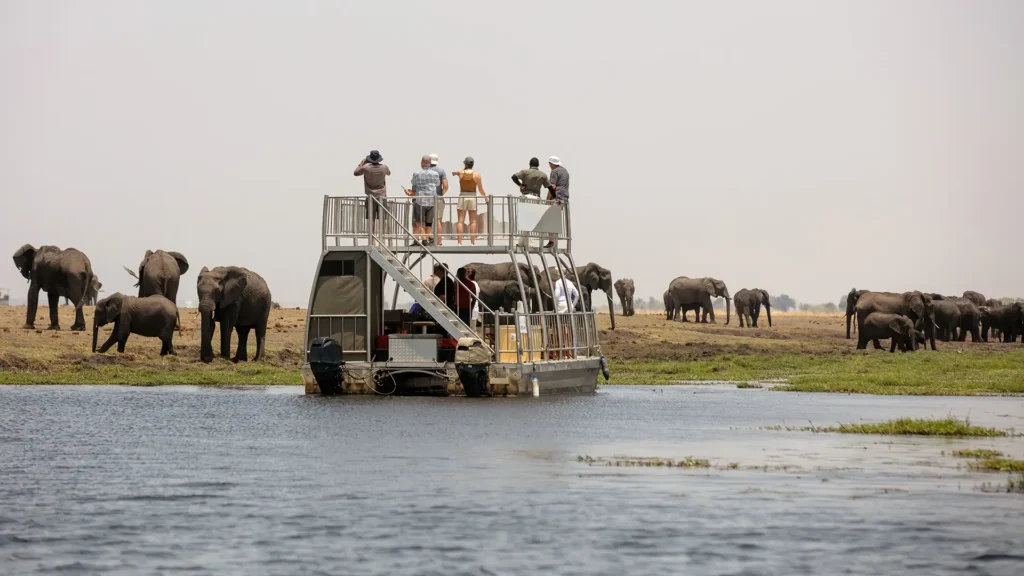
Chobe’s riverfront is excellent for fish eagles, skimmers, bee-eaters, herons, storks, and other species linked to water. A boat safari here can be especially rewarding for bird photography.
Kruger National Park, South Africa
Kruger is one of Africa’s most accessible birding safari destinations, with hundreds of recorded species and a strong mix of savanna, woodland, riverine, and raptor sightings.
Serengeti and Tarangire, Tanzania
These parks combine classic big-game safari with strong birding, including raptors, bustards, hornbills, lovebirds, rollers, storks, and seasonal migrants.
Maasai Mara, Kenya
The Mara is known for big cats and the Great Migration, but it is also rewarding for raptors, grassland birds, rollers, bee-eaters, secretary birds, and vultures.
Bwindi Impenetrable Forest, Uganda
Bwindi is a forest birding treasure, especially for travelers interested in Albertine Rift endemics. It pairs well with gorilla trekking for a specialist nature itinerary.
Lake Nakuru and Rift Valley Lakes, Kenya
These lakes are known for waterbirds, including pelicans, flamingos when conditions are suitable, herons, storks, and many species connected to wetland habitats.
Etosha National Park, Namibia
Etosha offers excellent dry-country birding, raptors, bustards, ostriches, waterhole species, and seasonal wetland activity after rains.
Birds Travelers May See on Safari
The exact species depend on the destination, season, and habitat, but birdwatching safaris often include a mix of colorful, dramatic, and behaviorally interesting birds.
Common highlights may include:
- Lilac-breasted rollers
- African fish eagles
- Malachite kingfishers
- Carmine bee-eaters
- Saddle-billed storks
- Secretary birds
- Ground hornbills
- African jacanas
- Grey crowned cranes
- Vultures and other raptors
- Ostriches
- Weavers
- Sunbirds
- Turacos in forested regions
- Flamingos in suitable wetland areas
For many travelers, the most memorable birds are not always the rarest. A roller glowing in morning light or a fish eagle calling across a river can become one of the defining memories of a safari.
Best Time to Go on a Birdwatching Safari
Birdwatching can be good year-round in many African safari regions, but the best season depends on the type of experience a traveler wants.
The dry season often makes wildlife easier to see because animals concentrate around water, vegetation is thinner, and roads may be more accessible. Birding remains rewarding, especially for resident species and raptors.
The green season can be exceptional for birdwatching. Many birds are in breeding plumage, migratory species may arrive, landscapes are lush, and nesting or courtship behavior can be more visible. This season can also be quieter and more affordable in some destinations.
For bird-focused travelers, green season is often one of the most exciting times to travel. For travelers who want a balance of birds and large mammals, shoulder seasons can offer a strong compromise.
What to Expect on a Birdwatching Safari
A birdwatching safari usually moves at a slower pace than a standard game drive. The guide may stop often, listen carefully, scan branches, check water edges, and identify birds by behavior, shape, call, flight pattern, and habitat.
Mornings are often the most productive, especially when birds are calling, feeding, and moving actively. Wetlands, riverbanks, woodland edges, and open grasslands can all produce different sightings.
A dedicated birding safari may include:
- Early morning drives or walks
- Specialist bird guides
- Checklists and field guide support
- Longer stops at productive habitats
- Photography time
- Boat or canoe trips where suitable
- Forest walks in specialist birding areas
- A focus on calls, behavior, and identification
Travelers do not need to be expert birders to enjoy the experience. A good guide will make the safari feel welcoming, not technical or intimidating.
Birdwatching Safari vs Traditional Wildlife Safari
A traditional wildlife safari often prioritizes large mammals such as lions, elephants, leopards, buffalo, giraffes, rhinos, and antelopes. A birdwatching safari looks more closely at the full ecosystem.
The two experiences combine naturally. In fact, birding often improves a general safari because it fills the quieter hours with interest and gives travelers a deeper sense of place.
A birdwatching safari is best for travelers who enjoy patience, photography, nature details, learning, and slower observation. A traditional wildlife safari may be better for travelers on a first trip who mainly want iconic mammal sightings. Many travelers will enjoy a mix of both.
What to Bring on a Birdwatching Safari
The most important item for birdwatching is a good pair of binoculars. Even casual birders will enjoy the safari more when they can clearly see color, shape, and behavior.
Recommended items include:
- Binoculars, ideally comfortable and bright
- A regional bird field guide or birding app
- Camera with zoom lens if photography is important
- Neutral clothing for bush settings
- Sun protection
- Light rain layer in green season
- Notebook or checklist for sightings
- Comfortable shoes for walks or forest birding
- Reusable water bottle
Travelers should avoid relying only on a phone camera for birds. Many birds are small, fast, or distant, and binoculars will make the experience far more rewarding.
Responsible Birdwatching on Safari
Responsible birdwatching protects the birds, their habitats, and the quality of the safari experience.
Travelers should keep a respectful distance from nests, avoid flushing birds for photographs, and follow guide instructions around sensitive habitats. Playback of bird calls should be used carefully, if at all, and only by experienced guides who understand local ethics and regulations.
Good birding etiquette includes:
- Let birds behave naturally.
- Do not disturb nests or breeding sites.
- Keep voices low in sensitive areas.
- Stay on approved roads or paths.
- Avoid crowding rare sightings.
- Respect national park and reserve rules.
- Support lodges and guides with strong conservation values.
The best birdwatching safaris leave the landscape as they found it, with the birds still feeding, calling, nesting, and moving on their own terms.
Who Is a Birdwatching Safari Best For?
A birdwatching safari is ideal for travelers who love detail, patience, photography, and learning. It is also excellent for repeat safari guests, families with curious children, conservation-minded travelers, and anyone who wants to see more than the headline species.
It can be especially rewarding for:
- First-time safari travelers who want a richer wildlife experience
- Photographers looking for color, behavior, and composition
- Nature lovers interested in ecosystems
- Travelers visiting during green season
- Repeat safari guests seeking a more specialist trip
- Older travelers who prefer a slower pace
- Families who enjoy spotting and learning together
Birdwatching is one of the few safari activities that can make every drive feel productive. Even when lions are sleeping or leopards are hidden, the birds are still telling the story of the place.
Is a Birdwatching Safari Worth It?
A birdwatching safari is absolutely worth it for travelers who want to experience Africa with more attention and depth. It may begin with a single beautiful bird on a branch, but it often becomes a new way of seeing the entire landscape.
Birds bring movement to quiet moments, color to dry country, sound to river mornings, and clues to the wider ecosystem. They remind travelers that safari is not only about the largest animals. It is about connection, patience, and the many lives moving through the same wild places.
For Travheir readers, a birdwatching safari is one of Africa’s most rewarding travel activities: practical, peaceful, visually rich, and deeply connected to conservation-aware travel.