
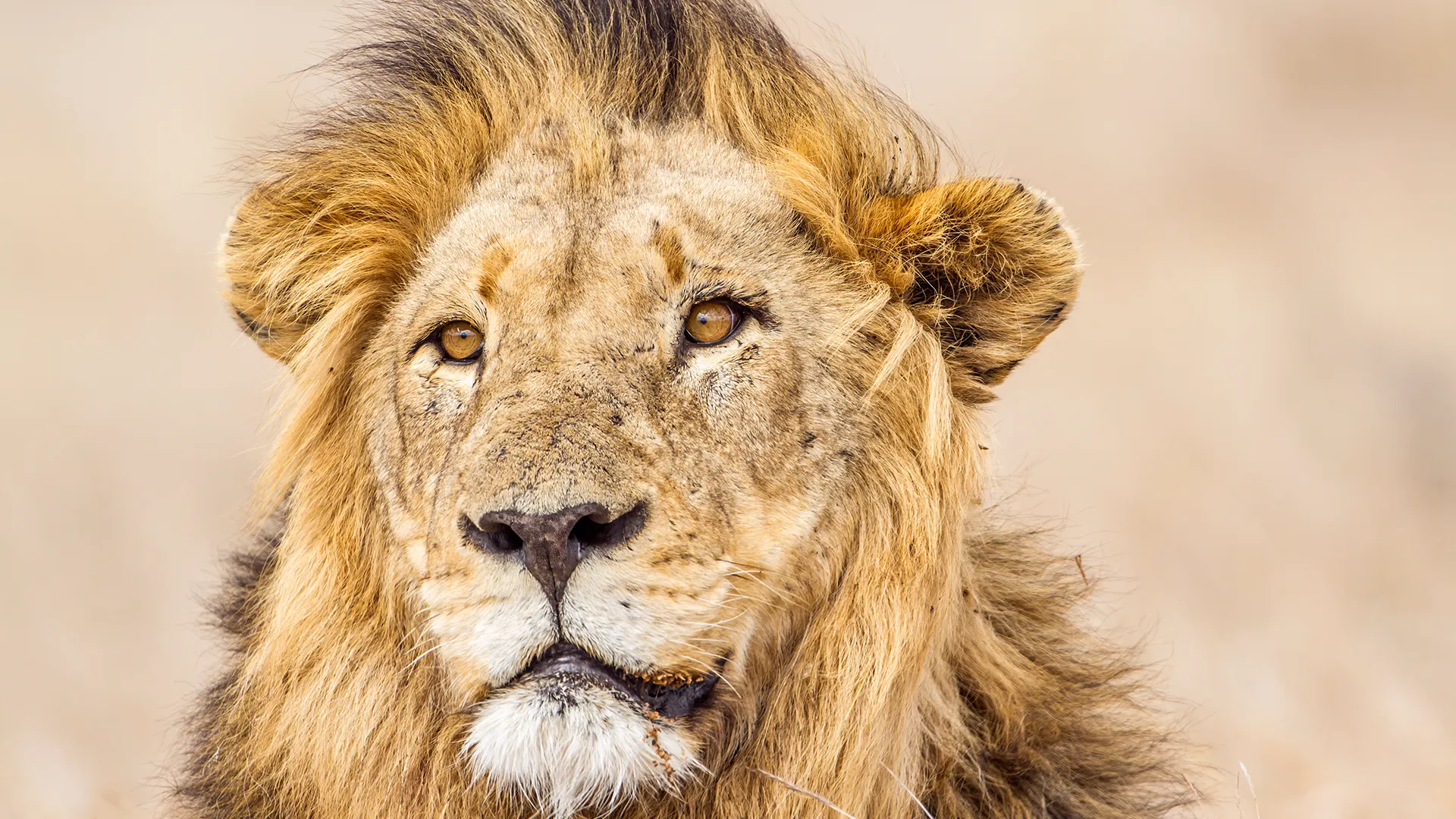
The first lion you see on safari rarely arrives like a film scene. Sometimes it is only a tawny shoulder in the grass, a black-tipped tail flicking above the gold, or a low shape resting in the shade while the rest of the savanna keeps its distance. Then the guide stops the vehicle, the binoculars rise, and the landscape changes.
A lion does not need to move much to become the center of a safari. For Travheir travelers, it is more than a Big Five checklist animal. It is a window into how wild places work: prey, territory, family, competition, conflict, conservation, and the fragile edge where protected land meets human life.
The lion is a large, powerful cat found today mainly in sub-Saharan Africa, with one remaining Asiatic population in and around Gir in Gujarat, India. It is one of the most recognizable safari animals because of its size, social life, deep territorial calls, and visible role as an apex predator.
Quick Facts
| Species Snapshot | |
| Common name | Lion |
| Scientific name | Panthera leo |
| Conservation status | Vulnerable globally on the IUCN Red List, with a decreasing population trend. Some regional populations are under greater pressure. |
| Habitat | Savannas, grasslands, shrublands, open woodlands, semi-arid landscapes, and some wetland-edge systems. |
| Diet | Mainly medium to large herbivores such as zebra, wildebeest, buffalo, antelope, and warthog. |
| Social structure | The most social big cat, living in prides made up of related females, cubs, and one or more adult males. |
| Safari appeal | Pride life, roaring, hunting behavior, cubs, male coalitions, territorial displays, and predator-prey drama. |
Top Questions About Lions
A lion is a large carnivorous mammal in the cat family. It belongs to the genus Panthera, which also includes tigers, leopards, jaguars, and snow leopards.
Most wild lions live in eastern and southern Africa, with smaller and more fragmented populations in parts of West and Central Africa. A separate Asiatic population survives in India’s Gir landscape.
Yes. Lions are the most social of the wild cats. They usually live in prides made up of related females, their cubs, and one or more adult males.
Lions are carnivores. They mainly hunt medium to large mammals such as wildebeest, zebra, buffalo, antelope, warthog, and, in India, deer species such as chital and sambar.
The species is globally listed as Vulnerable, but risk varies by region. Some populations are stable or recovering, especially in parts of southern Africa, while West and Central African lions are under much greater pressure.
Lions are powerful wild predators and should always be treated with respect. In a properly managed safari vehicle with a trained guide, sightings are usually safe, but travelers should never stand up suddenly, call to lions, approach on foot without expert guidance, or leave designated areas.
General Characteristics
Lions have muscular, broad-chested bodies built for strength rather than long-distance speed. Their heads are rounded, their jaws are heavy, and their forequarters are especially powerful, helping them pull down large prey during short, intense hunts.
Their coat is usually tawny, sandy, golden, or light brown, helping them blend into dry grass and open woodland. Cubs are born with faint spots, which often fade as they grow.
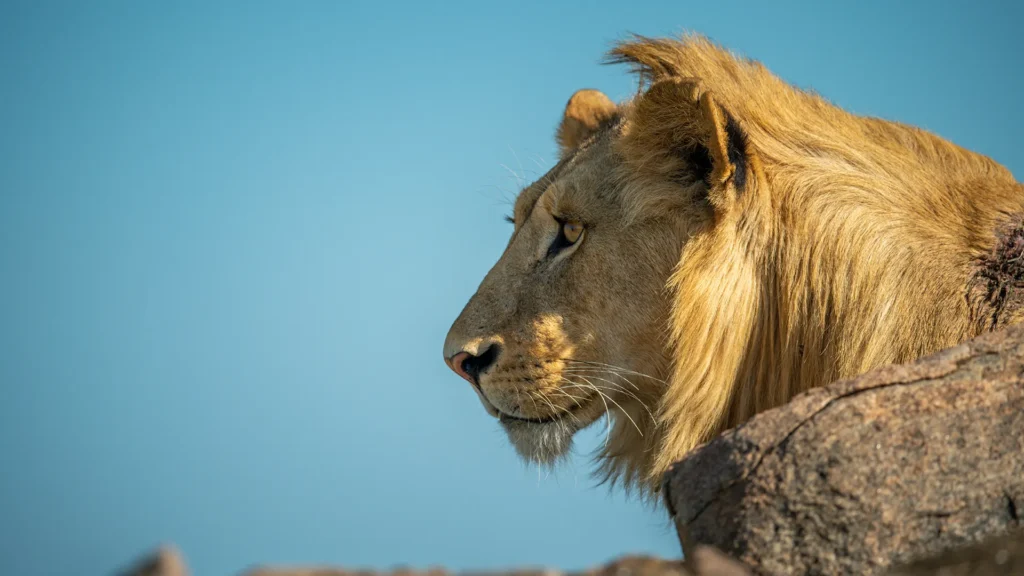
Adult males are larger than females and are usually recognized by their mane. The mane varies in length, thickness, and color, from pale blond to dark brown or almost black. It can signal age, condition, and maturity, and may also provide some protection during fights with rival males. Females do not have manes and are usually more streamlined, which helps them move efficiently during hunts.
Typical adult lions weigh roughly 110 to 272 kg, with males generally heavier than females. Body length can range from about 137 to 250 cm, with a tail of about 60 to 100 cm. Lions may live around 12 to 18 years in the wild, though many do not reach the upper end because of injury, conflict, competition, or prey scarcity.
Habitat and Distribution
Lions once ranged across much of Africa, parts of Europe, the Middle East, and southwest Asia. Today, their range is far smaller and more fragmented.
In Africa, lions are now mainly found south of the Sahara, especially in eastern and southern Africa. They use savannas, grasslands, scrub, open woodland, semi-arid areas, and some lightly forested habitats. They generally avoid dense tropical rainforest and true desert, although some desert-adapted populations survive in dry landscapes where prey and water sources are available.
The Asiatic lion survives only in India, chiefly in the Gir Forest National Park and Wildlife Sanctuary and the surrounding landscape in Gujarat. This population is isolated, which makes it important but also vulnerable to disease outbreaks, habitat pressure, and local disasters.
For safari travelers, important lion-viewing regions include the Serengeti and Ngorongoro ecosystem in Tanzania, the Maasai Mara in Kenya, the Okavango Delta and Chobe region in Botswana, South Luangwa in Zambia, Hwange in Zimbabwe, Etosha in Namibia, Kruger and surrounding reserves in South Africa, and parts of Uganda, Rwanda, and Mozambique where lion populations persist.
Behavior and Social Life
Lions are unusual among cats because they live in social groups. A pride usually contains related adult females, their cubs, and one or more resident males. Female lions often remain in or near their birth pride, while young males usually leave when they mature and may form coalitions with brothers or unrelated males.
A male coalition may take over a pride and defend access to females and territory. Their tenure can be short and competitive, especially in rich habitats where rival males are common. This social pressure shapes much of lion life: roaring, scent-marking, patrolling, fighting, mating, and cub survival are all tied to territory and pride structure.
Lions are often inactive during the heat of the day, resting in shade, on open ground, or near water. They become more active in the cooler hours of late afternoon, night, and early morning. Their roar is one of the great sounds of the African night, used to advertise territory, keep contact with pride members, and warn rivals.
Communication also includes scent-marking, rubbing heads, grooming, tail movements, facial expressions, growls, grunts, moans, and low contact calls. Within the pride, social bonds are visible in greeting rituals, cub care, and resting close together.
Diet and Hunting
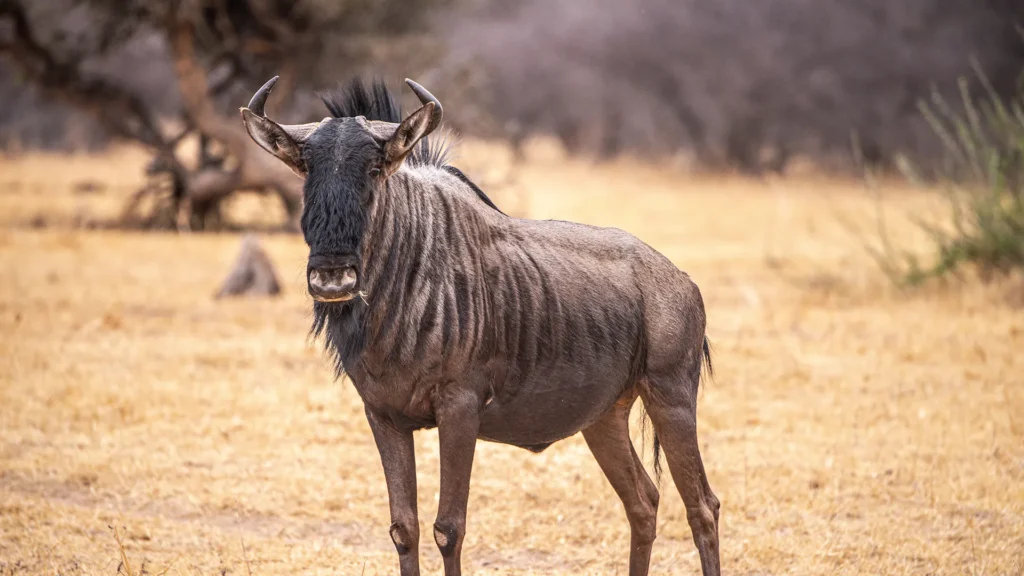
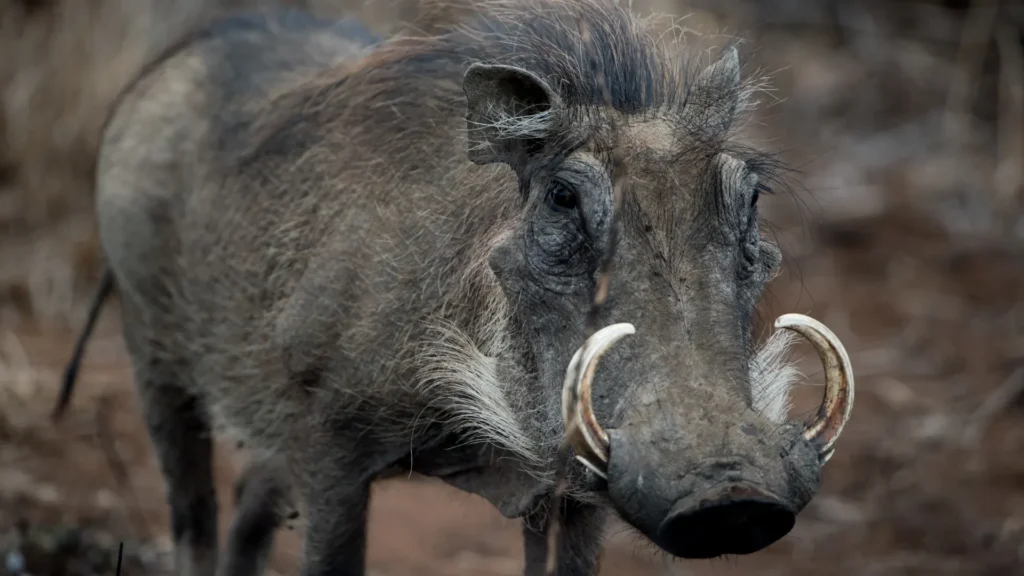
Lions are apex predators and generalist carnivores. They mostly feed on medium to large hoofed animals, but their diet changes with the landscape. In Africa, common prey includes wildebeest, zebra, buffalo, antelope, warthog, giraffe calves, and other large herbivores. In India, chital and sambar deer are important wild prey.
Female lions often do much of the hunting, especially in coordinated group hunts. They may spread out, use cover, and approach prey carefully before making a short, powerful rush. Lions are not built for long chases, so stalking distance, teamwork, darkness, wind direction, and terrain all matter.
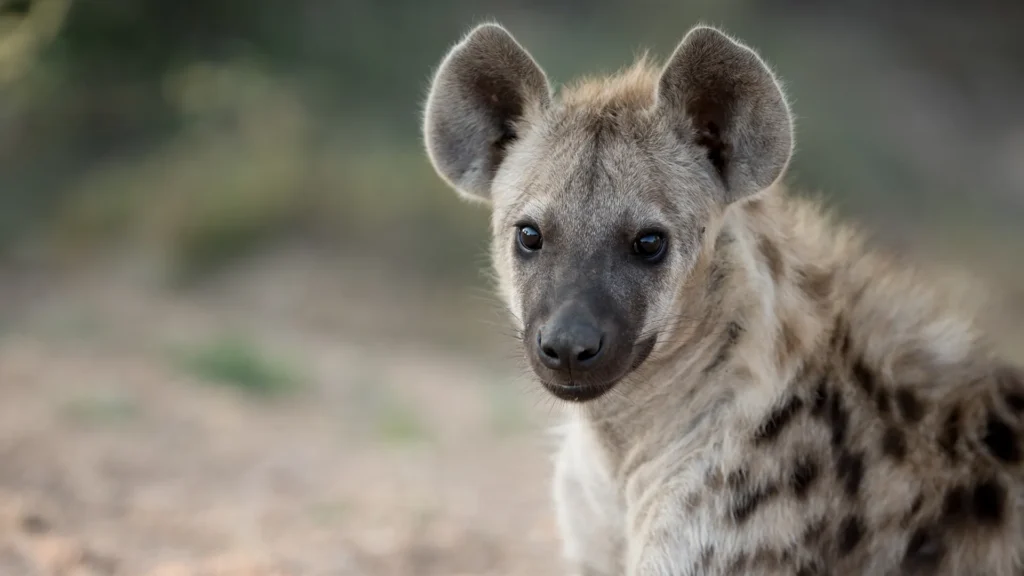
Male lions can and do hunt, particularly when alone, in coalitions, or when targeting large prey. Lions also scavenge when the opportunity arises and may take kills from or lose kills to other carnivores such as spotted hyenas. This competition is part of a broader predator system, not simply a rivalry.
Ecologically, lions help shape prey behavior and can influence the balance of savanna ecosystems. Their presence often indicates enough habitat, prey, and protection to support a large predator.
Reproduction and Life Cycle
Lions can breed throughout the year. Females are polyestrous, meaning they can come into heat multiple times if they do not conceive. Mating can be frequent over several days while a female is receptive.
Gestation lasts roughly 100 to 119 days, often around 110 days. A lioness usually gives birth in a hidden den away from the pride, using thick grass, reeds, rocks, or other cover. Litters usually contain one to four cubs, though larger litters can occur.
Cubs are born small, vulnerable, and dependent. Their eyes open after the first days of life, and they remain hidden for several weeks before being introduced to the pride. Lionesses may nurse each other’s cubs, and communal care is one of the strengths of pride life.
Cub mortality can be high. Threats include starvation, abandonment, disease, hyenas, leopards, buffalo, snakes, and infanticide when new males take over a pride. Cubs begin showing stalking behavior early but are not effective hunters until much later. They may start joining kills before their first year but remain dependent on adults for meat well into their second year.
Females often reach breeding age around four years, while males usually need more time to become strong enough to compete for pride tenure.
Taxonomy
Kingdom: Animalia
Phylum: Chordata
Class: Mammalia
Order: Carnivora
Family: Felidae
Genus: Panthera
Species: Panthera leo
Modern lion taxonomy commonly recognizes two living subspecies:
Panthera leo leo
Includes lions in West and Central Africa and the Asiatic lion population in India. Historically, this lineage also included lions from North Africa, the Middle East, parts of southwest Asia, and nearby regions where lions are now extinct.
Panthera leo melanochaita
Includes lions of eastern and southern Africa, where most of the world’s remaining wild lions are found.
Older names such as “African lion” and “Asiatic lion” are still widely used in travel and conservation writing, but current taxonomy is more nuanced because genetic research links the Asiatic lions more closely with lions from West and Central Africa.
Conservation Status
The lion is currently listed as Vulnerable on the IUCN Red List, and the global population trend is decreasing. The IUCN Cat Specialist Group notes that the species has declined because of habitat loss, reduced prey, fragmentation, poaching and bushmeat pressures, human-lion conflict, and other regional threats.
The picture is not the same everywhere. Some lion populations in fenced or well-managed reserves in southern Africa are stable or increasing. Elsewhere, especially in parts of West and Central Africa, lions are scarce, fragmented, and at higher risk of local extinction.
Recent IUCN Cat Specialist Group information estimates Africa’s lion population at roughly 22,000 to 25,000 adult and subadult lions in 2025, while the Asiatic lion population in India has recovered from extremely low historical numbers and is now considered stable, though still geographically concentrated.
Major threats include:
- Loss and fragmentation of habitat.
- Decline of wild prey through poaching and bushmeat trade.
- Retaliatory killing after livestock losses.
- Conflict around protected-area boundaries.
- Illegal trade in lion body parts.
- Poorly managed hunting or land-use decisions in some regions.
- Disease and genetic risk in small, isolated populations.
Conservation efforts include protected-area management, anti-poaching work, prey recovery, community-based conservation, livestock protection, compensation or incentive programs, habitat connectivity, and tourism models that give local communities a reason to keep lions alive on shared landscapes.
Responsible Travel Relevance
Seeing a lion in the wild is one of safari’s most memorable experiences, but good lion viewing depends on patience and restraint. Responsible travelers help protect the animal and the quality of the sighting.
Stay seated and quiet when near lions. Follow the guide’s instructions. Do not pressure a driver to move too close, block a lion’s path, surround a pride, or separate females from cubs. Keep voices low, avoid sudden movement, and never attempt to attract attention with calls, food, whistles, or thrown objects.
Photography should never come before welfare. A relaxed lion resting, grooming, nursing cubs, or moving naturally is a better sighting than a stressed animal forced into a reaction. At night, use ethical spotlighting only where permitted and guided by local rules.
Travelers can also choose safari operators and lodges that support conservation, employ local guides, respect park regulations, and contribute to communities living alongside lions. In many landscapes, the future of lions depends not only on national parks, but on whether people outside park boundaries receive real value from keeping wildlife alive.