
What Is a Boat Safari?
A boat safari is a guided wildlife experience by motorboat, river cruiser, or small safari vessel on Africa’s rivers, lagoons, floodplains, and delta channels. Instead of following animals by vehicle across dry land, travelers move through the waterways that sustain them.
The pace is usually slower than a game drive. The viewpoint is lower, quieter, and often more open. You may watch elephants gathering on a riverbank, hippos surfacing in the channel ahead, crocodiles warming themselves in the sun, or bee-eaters and kingfishers flashing through the reeds. A boat safari is less about covering distance and more about noticing how wildlife uses water.
In Africa, boat safaris are especially associated with riverfront and wetland destinations such as Botswana’s Chobe River and Okavango Delta, Zambia’s Lower Zambezi, Namibia’s Caprivi/Zambezi region, and selected lake, lagoon, and floodplain areas across Southern and East Africa.
Why Choose a Boat Safari?
A boat safari gives travelers a different kind of wildlife perspective. From the water, animals can often be seen drinking, crossing, bathing, feeding, or resting along the banks. Some species that are difficult to appreciate from a vehicle, especially hippos, crocodiles, waterbirds, and wetland antelope, become central to the experience.
It is also one of the most photogenic safari activities. Reflections, open skies, soft evening light, and animals moving along the water’s edge can create beautiful scenes without needing to chase sightings. For many travelers, the highlight is the feeling of entering the landscape gently, letting the river reveal what is already there.
Boat safaris are often a good fit for:
- First-time safari travelers who want variety beyond game drives.
- Photographers interested in low-angle wildlife images and birdlife.
- Families or mixed-age groups, depending on the destination and operator.
- Birders looking for wetland and river species.
- Travelers who prefer a calmer safari rhythm.
- Safari itineraries that combine land, water, and walking experiences.
What Wildlife Can You See on a Boat Safari?
Wildlife sightings depend on the destination, season, water levels, and local habitat. Boat safaris are not only about big animals, but they can deliver memorable encounters with some of Africa’s most iconic species.
Common boat safari sightings may include:
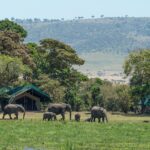
- Elephants drinking, feeding, bathing, or crossing channels.
- Hippos in pods, especially in deeper river sections.
- Nile crocodiles on sandbanks and river edges.
- Buffalo, antelope, giraffe, zebra, and other herbivores near water.
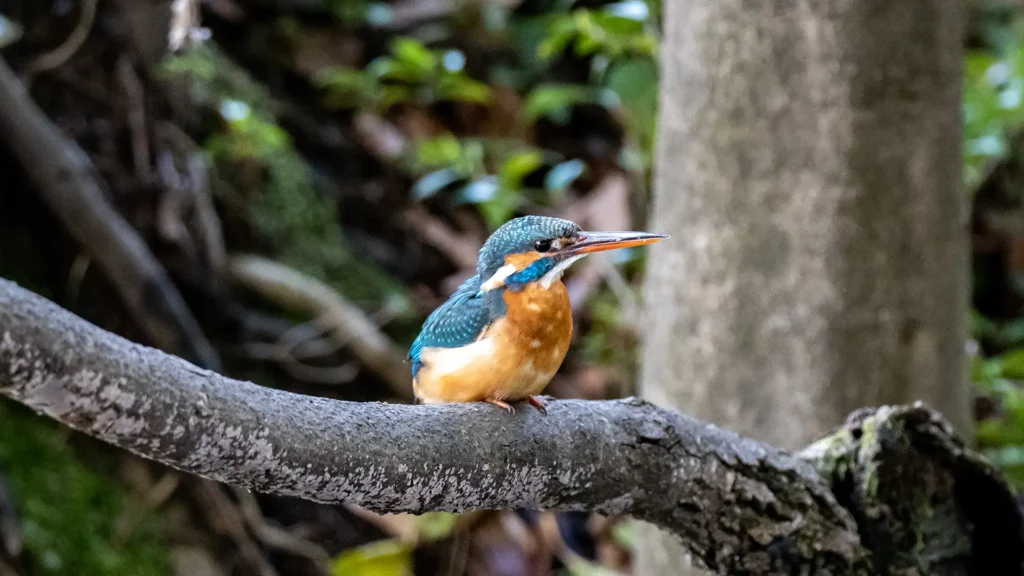
- Fish eagles, kingfishers, herons, egrets, storks, bee-eaters, and jacanas.
- Monitor lizards, terrapins, and smaller wetland species.
- Predators such as lions, leopards, hyenas, or wild dogs near the river, though these are less predictable.
In dry seasons, wildlife often concentrates around permanent water sources, making river systems particularly rewarding. In flood seasons, the experience can become more expansive and atmospheric, with channels opening into deeper wetland landscapes.
Best Places for Boat Safaris in Africa
Chobe River, Botswana
The Chobe River is one of Africa’s classic boat safari destinations. It forms part of the northern boundary of Chobe National Park and is known for dense wildlife activity along the riverfront, especially during the dry season. Travelers may see elephants gathering in large numbers, buffalo near the floodplains, hippos, crocodiles, and abundant birdlife.
Chobe is also convenient for travelers combining Botswana with Victoria Falls, Namibia, or Zambia. Boat safaris here can range from short afternoon cruises to more immersive river-based safari stays.
Okavango Delta, Botswana
The Okavango Delta is one of Africa’s great wetland safari landscapes. Water levels shape the experience, and activities vary by concession and season. In deeper channels, motorboat safaris can explore lagoons, papyrus edges, and reed-lined waterways. In shallower areas, mokoro excursions offer a quieter, traditional-style way to move through the delta.
A boat safari in the Okavango is especially strong for birdlife, aquatic landscapes, and the feeling of seeing wildlife within a living inland delta rather than along a single riverbank.
Lower Zambezi, Zambia
The Lower Zambezi is one of Africa’s most rewarding river safari areas. The Zambezi River supports a rich corridor of wildlife, with elephants, buffalo, hippos, crocodiles, waterbirds, and occasional predator sightings along the banks. Many safari camps combine boat safaris with game drives, walking safaris, canoeing, and sometimes catch-and-release tiger fishing.
This is a strong choice for travelers who want a more varied, wilderness-focused safari with both land and water activities.
Zambezi and Chobe River Regions, Namibia and Botswana
In the river systems around northern Botswana and Namibia’s Zambezi Region, boat-based wildlife viewing can be part of a broader safari route linking Chobe, the Caprivi wetlands, Victoria Falls, and the Okavango. These areas are particularly appealing for travelers interested in elephants, birdlife, river scenery, and cross-border safari itineraries.
Other Wetland and River Safari Areas
Boat safaris may also feature in parts of the Selous/Nyerere system in Tanzania, Lake Kariba and Matusadona in Zimbabwe, Bangweulu Wetlands in Zambia, and selected private reserves with navigable waterways. The exact experience varies widely, so travelers should check whether the activity is seasonal, whether it is wildlife-focused or scenic, and whether it uses motorboats, canoes, mokoros, or larger cruise-style vessels.
What Happens on a Typical Boat Safari?
A typical boat safari begins at a lodge jetty, riverside launch point, or park access area. Travelers board with a professional guide, sometimes accompanied by a boat captain. Safety instructions are usually given before departure, especially around remaining seated, keeping hands inside the boat, and following guide directions near hippos and crocodiles.
The route may follow river bends, channels, lagoons, reedbeds, sandbanks, or floodplain edges. The guide scans for animal movement, bird calls, tracks on the bank, and signs of recent activity. Unlike a vehicle safari, where the guide may respond quickly to fresh tracks or radio updates, a boat safari often works with the natural flow of the water.
Morning boat safaris can be crisp and peaceful, with birds active and animals coming to drink. Afternoon and sunset trips are often more atmospheric, with warm light, elephants near the water, and a gentle close to the safari day.
Best Time to Go on a Boat Safari
The best time for a boat safari depends on the destination.
In many riverfront safari areas, the dry season is excellent because animals gather around permanent water. In places such as Chobe and the Lower Zambezi, this often means strong wildlife viewing as the surrounding bush becomes drier.
In delta and floodplain systems, water levels matter as much as the calendar. Some Okavango Delta water activities are seasonal and depend on annual flood patterns, rainfall, and local channel depth. Travelers should confirm with lodges or operators whether boating is available during their travel month.
As a general planning guide:
- Dry season: Often best for concentrated wildlife along rivers.
- Green season: Beautiful scenery, birdlife, fewer crowds in some areas, but wildlife may be more spread out.
- Flood periods: Excellent for wetland atmosphere and water access where conditions allow.
- Shoulder seasons: Can offer a good balance of wildlife, light, and value.
Is a Boat Safari Safe?
A boat safari can be safe and deeply rewarding when it is operated by experienced guides who understand the river, wildlife behavior, and local conditions. The most important rule is simple: listen to the guide.
Hippos and crocodiles are powerful wild animals, and elephants near water should be treated with respect. A professional guide will manage distance, avoid risky channels, and read animal behavior. Travelers should avoid sudden movements, loud noise, leaning out of the boat, or trying to get closer for photographs.
Responsible safety habits include:
- Stay seated unless the guide says otherwise.
- Keep hands and equipment inside the boat.
- Do not pressure guides to approach animals too closely.
- Wear a life jacket when required or provided.
- Protect cameras and phones from spray or sudden movement.
- Keep children supervised at all times.
- Avoid dangling feet or arms over the side.
A good boat safari should feel calm, alert, and professionally managed, not reckless.
Boat Safari vs Game Drive Safari
A boat safari and a game drive are not replacements for each other. They reveal different sides of the same ecosystem.
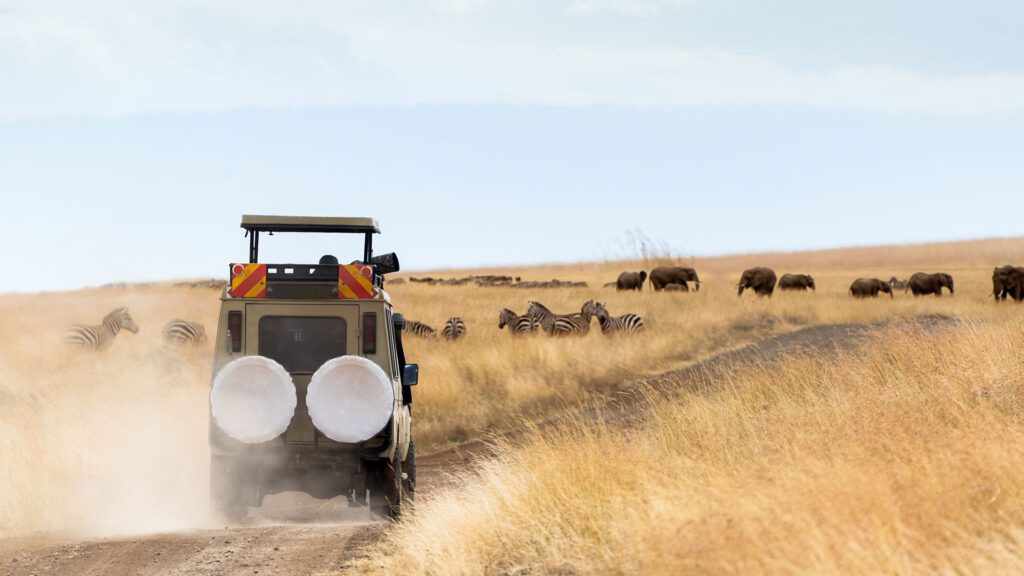
A game drive is usually better for covering varied terrain, following tracks, and searching for predators across open plains, woodland, or savanna. A boat safari is stronger for riverfront behavior, birdlife, aquatic species, and relaxed viewing along water corridors.
For a well-rounded safari, the best itinerary often includes both. A traveler might spend the morning on a game drive, rest during the heat of the day, then take an afternoon boat safari as animals return to the water.
Boat Safari vs Mokoro Safari
A boat safari usually refers to a guided motorboat or powered river craft. It can cover more distance and is often used on deeper rivers and channels.
A mokoro safari is a traditional-style dugout canoe experience associated especially with the Okavango Delta. Today, many mokoros are made from fiberglass for conservation reasons. Mokoro excursions are quieter and slower, often focused on the small details of the wetland: reeds, frogs, lilies, dragonflies, birds, and close views of the water landscape.
Both are water-based safaris, but they feel different. A boat safari is often better for covering ground and viewing larger animals along riverbanks. A mokoro safari is more intimate and meditative, with a stronger focus on the texture of the delta environment.
What to Wear and Pack
For a boat safari, comfort and sun protection matter. The water can reflect heat and light, while early mornings or late afternoons may feel cool.
Useful items include:
- Neutral, lightweight clothing.
- A warm layer for early morning or sunset trips.
- Hat with a secure fit.
- Sunglasses with good UV protection.
- Sunscreen.
- Binoculars.
- Camera with a strap or dry bag.
- Insect repellent.
- Refillable water bottle, if allowed by the operator.
- Lightweight rain jacket in wetter months.
Avoid bright white clothing where possible, as it reflects harshly in photographs and can feel glaring in open sun. Dark navy and black may attract heat and show dust or water marks.
Photography Tips for a Boat Safari
Boat safaris can be excellent for photography, but they require patience. The platform moves, animals shift, and light reflects off the water. Fast shutter speeds help with both boat movement and wildlife action.
For stronger images:
- Use a strap or secure grip on your camera.
- Keep your lens ready but avoid sudden movements.
- Ask the guide before standing or changing position.
- Look for reflections, silhouettes, ripples, and low-angle compositions.
- Photograph behavior, not only close-ups.
- Keep space in the frame for animals moving through water or along the bank.
- Protect equipment from spray, especially on faster transfers.
Some operators offer specialist photographic boats with swivel chairs, low sides, or camera mounts. These can be valuable for serious photographers, but even a standard safari boat can produce memorable images in good light.
Who Is a Boat Safari Best For?
A boat safari suits a wide range of travelers, but it is especially rewarding for people who enjoy calm observation, birds, photography, and varied safari experiences. It can also work well for travelers who want a break from bumpy roads or long vehicle drives.
It may not be ideal for travelers who are very uncomfortable around deep water, who expect guaranteed predator sightings, or who are visiting a destination where water levels are too low for boating during their travel dates.
For families, suitability depends on the destination, boat design, operator policies, and child age restrictions. Parents should check safety standards carefully before booking.
Responsible Boat Safari Etiquette
A river is not only a travel route. It is a drinking place, hunting ground, breeding area, migration corridor, and home for countless species. Responsible boat safaris protect that space.
Good etiquette includes:
- Keep a respectful distance from wildlife.
- Never ask a guide to chase, surround, or block an animal.
- Keep noise low near animals and nesting birds.
- Do not feed wildlife.
- Avoid throwing anything into the water.
- Support operators with strong safety and conservation standards.
- Respect local communities, fishing areas, and shared waterways.
- Choose lodges and guides who explain the ecosystem, not only the sightings.
The best boat safaris leave travelers with more than photographs. They deepen respect for the water systems that make African wildlife possible.
Final Travel Note
A boat safari changes the rhythm of a safari. The engine softens, the river widens, and the landscape begins to move at the pace of water. You start to notice where elephants enter the reeds, where crocodiles choose the warm sand, where birds work the edges of the channel, and where the day gathers itself in the late light.
For travelers building a complete African safari, a boat safari is one of the most rewarding ways to understand that wildlife is not only found on the plains. Much of it gathers at the water’s edge.