
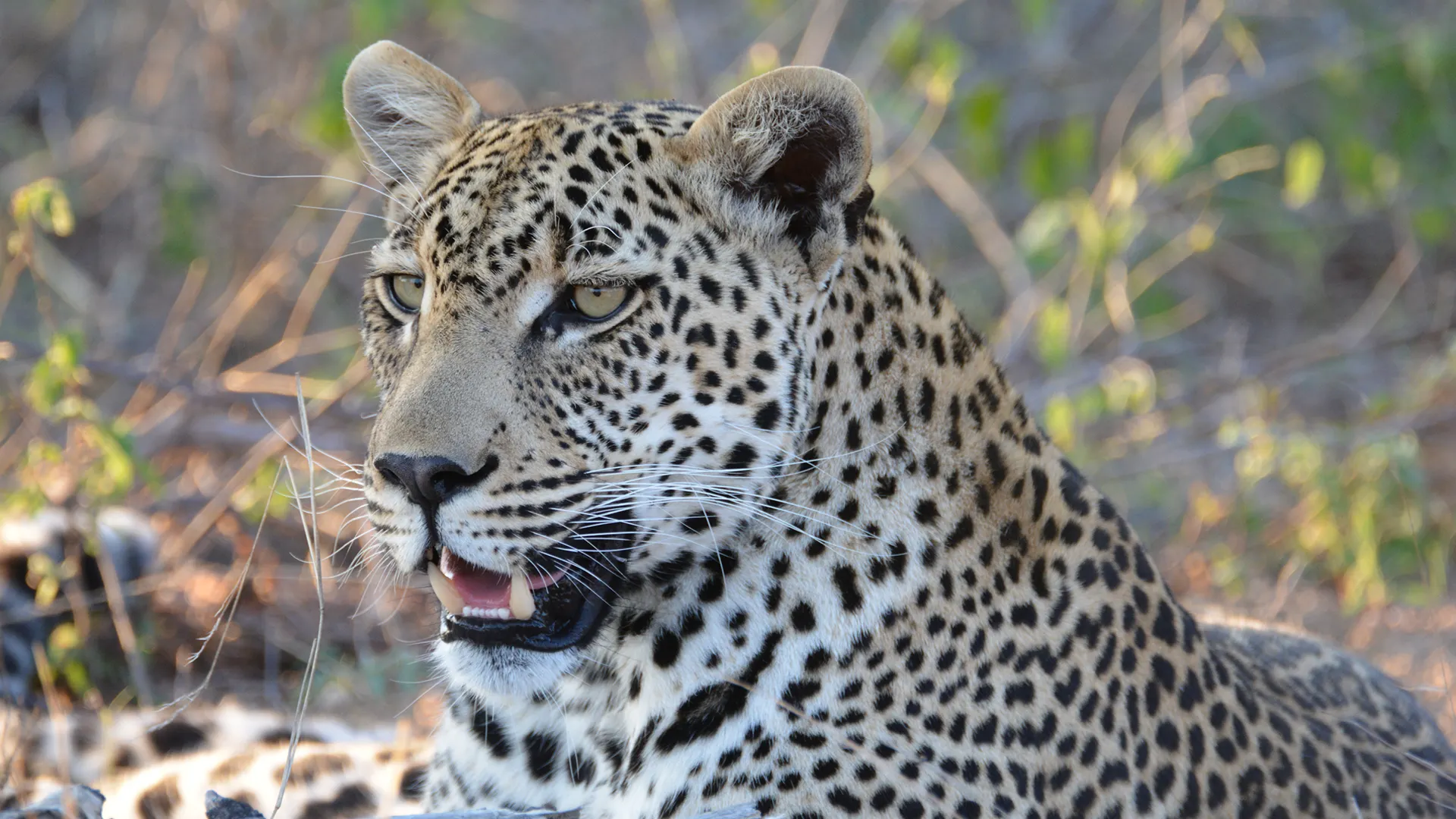
A leopard sighting often begins with absence. The guide studies a branch, the vehicle goes quiet, and the whole safari seems to lean into the trees. Then the pattern resolves: rosettes against bark, a hanging tail, the pale flash of an eye. The animal was there before anyone saw it.
That is the leopard’s beauty. Lions command a landscape; leopards disappear into it. For Travheir travelers, the leopard is the safari lesson in patience, tracking, and attention. It rewards the person who learns to read shade, alarm calls, drag marks, and the nervous stillness of impala at the woodland edge.
Quick Summary
The leopard is one of the world’s most adaptable big cats, known for its rosette-patterned coat, solitary nature, stealthy hunting, and remarkable climbing ability. It occurs across parts of Africa and Asia, though its range is now much more fragmented than it once was.
For safari travelers, the leopard is often the most elusive of the classic big-cat sightings. It may appear draped over a tree branch at sunset, moving silently through riverine woodland, or hidden in plain sight beside a drainage line. Its beauty is immediate, but its survival depends on something less visible: secure habitat, wild prey, and tolerance from people living near leopard country.
Quick Facts
| Species Snapshot | |
| Common name | Leopard |
| Scientific name | Panthera pardus |
| Conservation status | Vulnerable globally on the IUCN Red List, with populations declining in many parts of the range. |
| Habitat | Savanna, woodland, riverine forest, rainforest, mountain habitats, rocky hills, and semi-arid landscapes where cover and prey remain. |
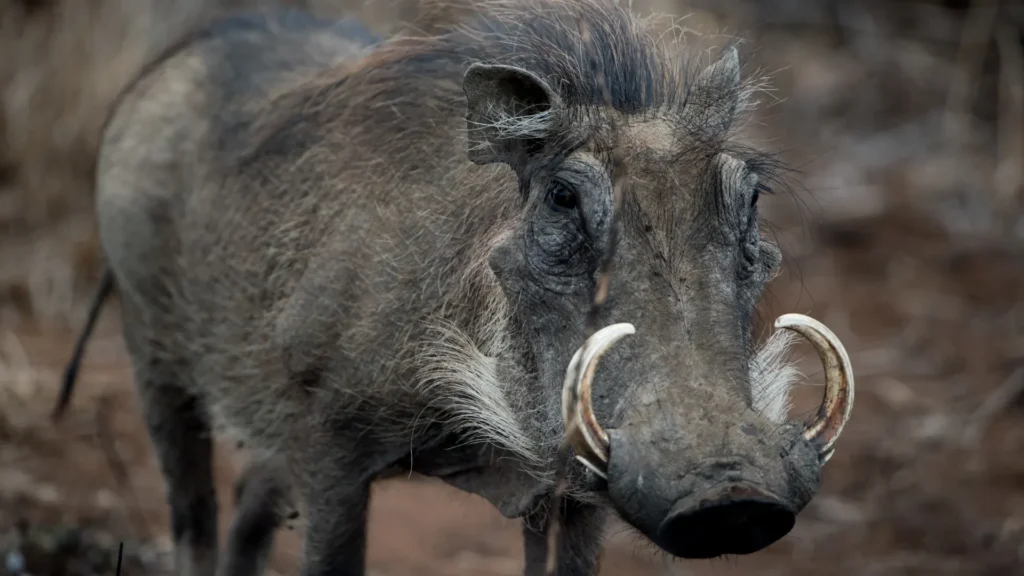
| Diet | Mostly medium-sized mammals such as impala, bushbuck, duiker, warthog, young antelope, hares, monkeys, birds, and smaller carnivores. |
| Behavior | Solitary, territorial, secretive, mostly active from dusk to dawn, and famously able to cache kills in trees where habitat allows. |
| Safari appeal | Elusiveness, tree sightings, rosette camouflage, night-drive drama, and the thrill of tracking an animal that can vanish in plain sight. |
Top Questions
A leopard is a large carnivorous cat in the genus Panthera, the same genus as lions, tigers, jaguars, and snow leopards.
Leopards live in parts of sub-Saharan Africa, North Africa in very small remnant areas, the Middle East, South Asia, Southeast Asia, China, Sri Lanka, Java, and the Russian Far East.
In Africa and Asia, a black panther is usually a melanistic leopard. The coat appears black, but the rosette markings can often still be seen in strong light.
The leopard is globally listed as Vulnerable on the IUCN Red List, with a decreasing population trend. Some subspecies, such as the Amur, Arabian, and Javan leopard, are more threatened.
Leopards eat a wide range of prey, including antelope, deer, monkeys, warthogs, hares, birds, reptiles, rodents, and sometimes livestock or domestic dogs in human-dominated areas.
Leopards are mostly solitary, secretive, and often active at dawn, dusk, or night. They also use cover beautifully, resting in trees, thickets, rocks, and shaded drainage lines.
General Characteristics
Leopards are muscular, compact cats with strong shoulders, broad paws, a long tail, and a deep chest. They are smaller than lions and tigers, but very powerful for their size. Their bodies are built for stalking, short bursts of speed, climbing, and dragging prey into cover.
Their coat is usually golden, tawny, or pale yellow, marked with dark rosettes. These rosettes help break up the body outline in grass, forest shade, woodland, and rocky terrain. Leopards in dry regions are often paler, while forest leopards can be darker and richer in color.
Males are generally larger and heavier than females. Adult weights vary widely by region, but many leopards fall between about 17 and 90 kg. Body length is roughly 91 to 191 cm, with a tail around 51 to 101 cm. That long tail helps with balance when climbing trees or turning quickly during a chase.
Habitat and Distribution
Leopards have one of the widest habitat ranges of any big cat. They can live in savannas, woodlands, rainforests, dry scrub, mountains, rocky hills, riverine forest, semi-desert, plantations, and some landscapes close to people, as long as there is enough cover and prey.
Historically, leopards ranged across much of Africa, the Middle East, and Asia. Today, they have disappeared from large parts of that former range. Their populations are increasingly fragmented, especially in North Africa, West Asia, Southeast Asia, and parts of East Asia.
In Africa, leopards remain present in many safari regions, including Botswana’s Okavango Delta, Zambia’s South Luangwa, South Africa’s Sabi Sand and Kruger region, Kenya’s Maasai Mara, Tanzania’s Serengeti and Ruaha, Namibia’s Etosha region, Zimbabwe’s Hwange, and parts of Uganda and Rwanda.
In Asia, leopards survive in countries including India, Sri Lanka, Nepal, Bhutan, Iran, parts of Southeast Asia, China, and Russia’s Far East. Their conservation situation varies strongly from place to place.
Behavior and Social Life
Leopards are mostly solitary. Adult males and females maintain territories, with male territories often overlapping those of several females. Adults usually come together only to mate, though a mother will stay with her cubs until they are ready for independence.
They communicate through scent marking, scraping, tree scratching, tracks, body posture, and sound. Their territorial call is often described as a rasping, sawing cough, especially heard at night.
Leopards are often most active from dusk to dawn, though their activity changes with habitat, prey, competition, and human disturbance. In areas with heavy human pressure, they may become more nocturnal. In quieter landscapes, they may move during daylight too.
Their famous tree-climbing behavior is both practical and elegant. Leopards rest in trees, scan from branches, escape larger predators, and sometimes store kills above ground where lions, hyenas, and other scavengers are less likely to steal them.
Diet and Hunting
Leopards are opportunistic carnivores with a very broad diet. They can hunt large prey, but they are just as willing to take smaller animals when those are easier or more abundant.
In African safari landscapes, common prey includes impala, bushbuck, duiker, reedbuck, steenbok, warthog, baboons, monkeys, hares, birds, and young antelope. In Asia, leopards may hunt chital, sambar, muntjac, langurs, wild pigs, goats, and smaller mammals.
Leopards hunt by stealth rather than endurance. They stalk close using grass, trees, rocks, darkness, or riverbeds for cover, then make a short, explosive rush. The kill is usually made with a bite to the throat or neck.
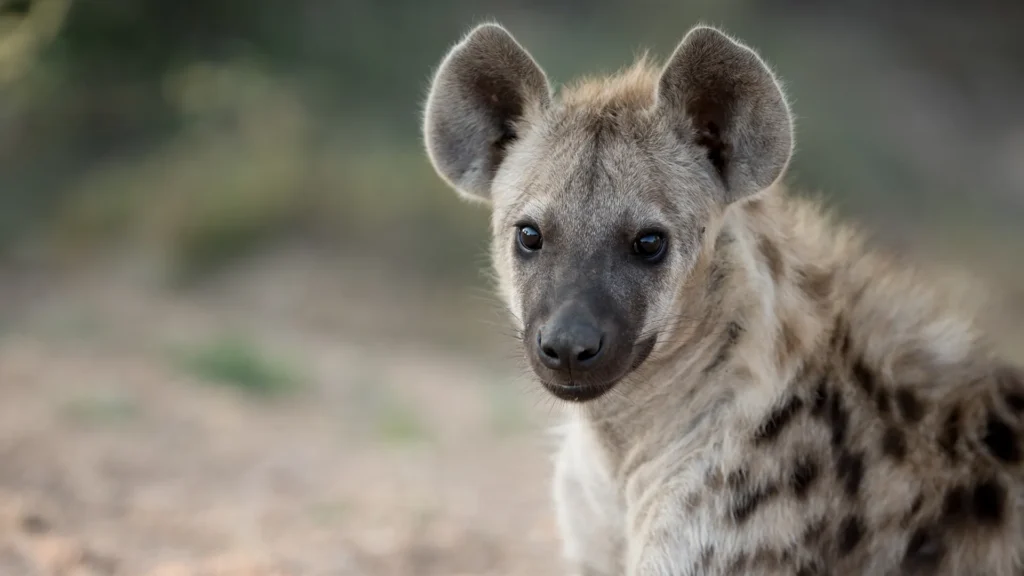
Where larger predators are present, leopards may drag prey into trees or dense cover. This ability to hide and cache food is one reason they can survive alongside lions, hyenas, tigers, and wild dogs.
Reproduction and Life Cycle
Leopards can breed throughout the year in many regions, though timing may vary with climate and prey availability. Males and females spend several days together during mating, then separate.
Gestation lasts about 90 to 105 days. A female usually gives birth to one to four cubs in a hidden den, such as a rocky crevice, hollow tree, dense thicket, cave, or sheltered patch of vegetation.
Cubs are born vulnerable, with closed eyes and soft fur. The mother keeps them hidden and moves them between den sites to reduce danger. They begin eating meat after the early nursing period and gradually learn to stalk, climb, and hunt by following her.
Young leopards may stay with their mother for more than a year, sometimes up to about 18 to 24 months. Cub mortality can be high due to predators, starvation, disease, fire, infanticide, and human disturbance.
Taxonomy
Kingdom: Animalia
Phylum: Chordata
Class: Mammalia
Order: Carnivora
Family: Felidae
Genus: Panthera
Species: Panthera pardus
Commonly recognized subspecies include the African leopard, Indian leopard, Sri Lankan leopard, Javan leopard, Arabian leopard, Persian leopard, Indochinese leopard, North Chinese leopard, and Amur leopard. Taxonomy can shift as genetic research improves, so publication pages should be checked against current IUCN and Cat Specialist Group treatments before final publishing.
Conservation Status
The leopard is listed as Vulnerable globally, and its population trend is decreasing. Although leopards are adaptable, they have lost large areas of former range and many populations are now isolated.
Major threats include habitat loss, fragmentation, decline of wild prey, retaliatory killing after livestock losses, illegal trade in skins and body parts, snaring, poisoning, road collisions, and conflict around expanding farms and settlements.
Some leopard populations remain relatively secure in strong protected landscapes, while others are in serious trouble. The Amur leopard, Arabian leopard, and Javan leopard are especially threatened and require focused conservation attention.
Responsible Travel Relevance
A good leopard sighting should feel quiet and respectful. Travelers should stay seated, keep voices low, follow the guide’s instructions, and avoid pressuring drivers to crowd the animal.
Vehicles should not block a leopard’s path, surround it, separate a mother from cubs, or force it away from a kill. Night drives should use spotlights carefully and only where local rules allow.
The best safari operators respect distance, avoid baiting predators, support protected areas, and contribute to communities living near wildlife. Leopard conservation depends not only on national parks, but also on the shared land around them, where people and predators often meet.