
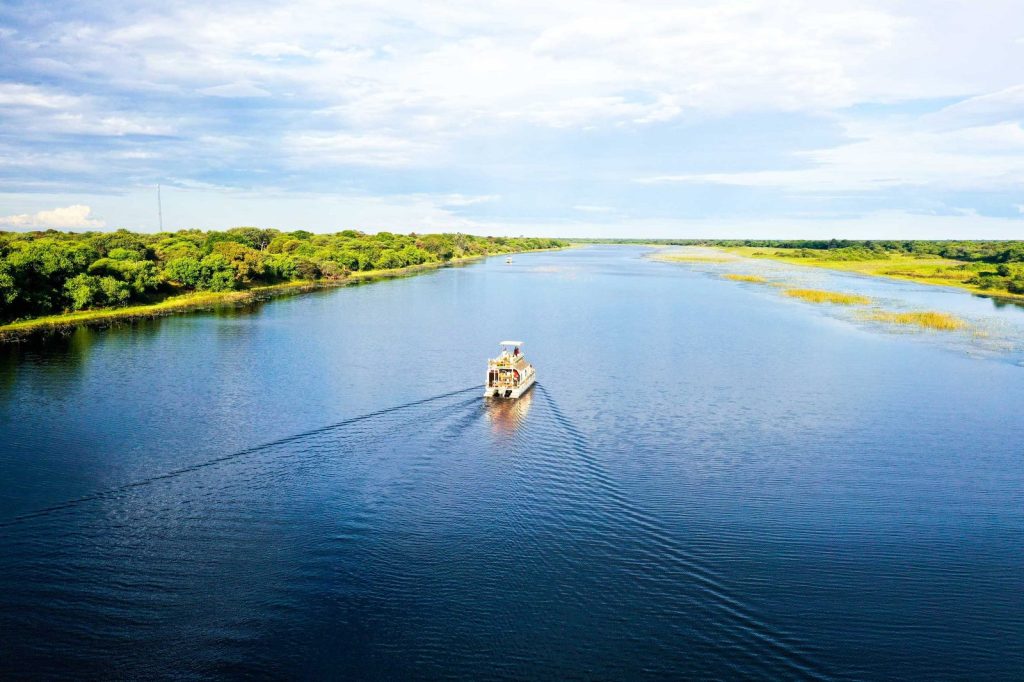
A Botswana mokoro safari puts you at water level in a traditional canoe, gliding silently through channels that no vehicle or motorboat can reach. It is one of the most iconic experiences available on an African safari, trading engine noise for birdsong and speed for intimacy with the natural world. This guide covers what independent travelers need to know before booking a mokoro trip, from seasonal timing and safety to packing and realistic wildlife expectations.
What Is a Mokoro Safari?
The word mokoro means “dugout canoe” in Setswana. A mokoro is a shallow draft canoe designed to move through the narrow, reed-lined channels of the Okavango Delta. It is propelled by a local poler using a long pole called a ngashi, pushing off the sandy or muddy bottom to steer and accelerate. Guests sit low in the hull, typically two to a canoe, while the poler stands at the stern.
This setup is fundamentally different from a motorboat safari. Motorboats cover distance quickly but generate noise, wake, and vibration that disturb wildlife and erode fragile reedbeds. A mokoro moves through shallow water at walking pace and reaches areas larger boats cannot. You sit at the same level as the water, the reeds, and the animals moving through them.
The Mokoro Is an Icon of Delta Life
The mokoro is more than tourist equipment. It is tied to the identity of the Bayei and Hambukushu peoples, who have used mekoro (the plural) for generations for fishing, travel between islands, and moving goods across floodplains long before tourism existed.
Mokoros were traditionally carved from large tree trunks, often sausage tree or jackalberry. A skilled artisan hollows out a single trunk over weeks. Because both trees grow slowly, dugout construction has raised conservation concerns.
Many modern mokoros are made from fiberglass, which takes pressure off large trees and lasts longer. Some travelers prefer the feel and smell of a wooden hull, but fiberglass replicas keep the same shape and function, and many operators now use them.
Why Choose a Botswana Mokoro Safari?
A Mokoro Safari Is Quiet and Immersive
The defining quality of a mokoro trip is silence. Without an engine, the soundscape takes over: water dripping off the pole, the rustle of papyrus, kingfishers calling, frogs at dusk, and the small sounds of movement across the channels. That quiet turns observation into something closer to meditation.
The slow pace also changes how you look. You are not scanning for the next sighting from a moving vehicle. You are watching light shift on the water and following a jacana as it steps across lily pads, able to relax and focus on nature while the guide handles the poling.
Water Level Gives You a Different View of Wildlife
Sitting low on the water gives you a unique perspective that a raised vehicle seat cannot. Red lechwe, the semi-aquatic antelope adapted to flooded grasslands, are a signature sighting. Painted reed frogs cling to stems just inches from your canoe.
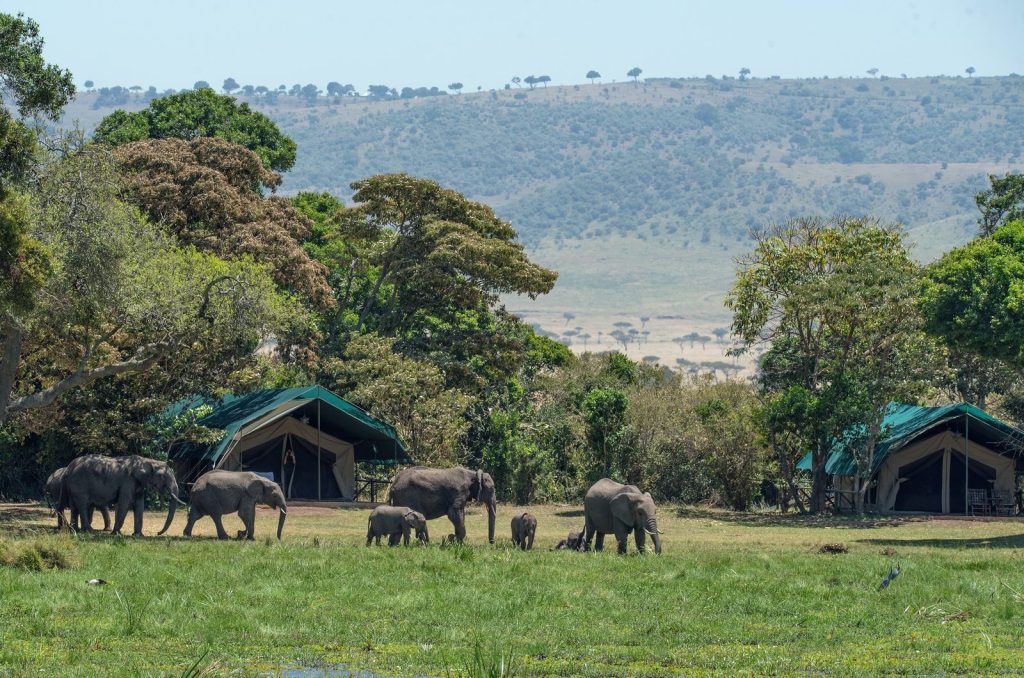
More than 400 bird species have been recorded in the Okavango Delta, from malachite kingfishers to African fish eagles. Elephants live in the Delta year-round, and watching one cross a channel ahead of your mokoro is possible, and your poler keeps a respectful distance. Hippos and crocodiles are present too, which makes for careful wildlife viewing from the canoe.
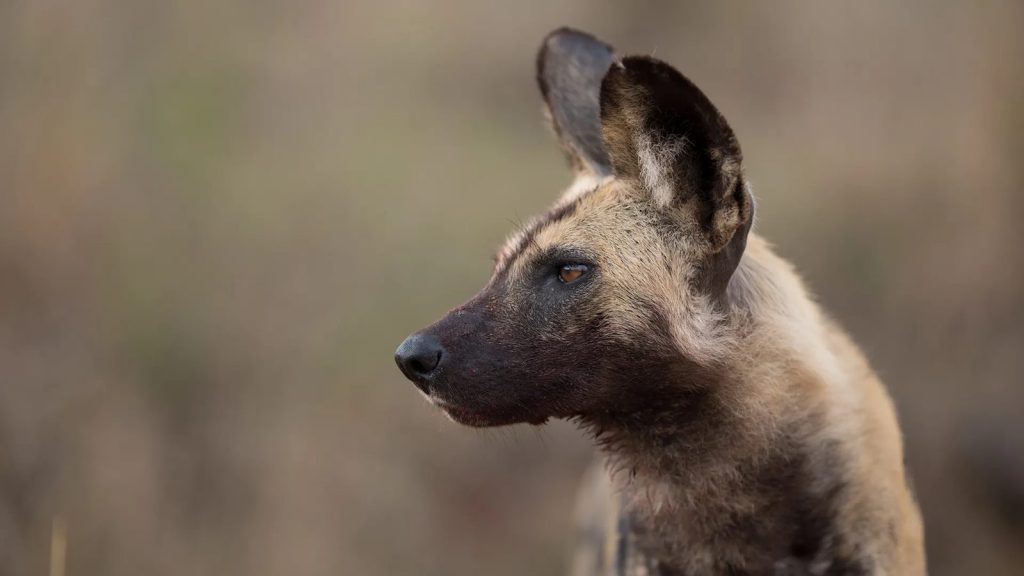
Mokoro safaris showcase the ecosystem more than big game, and they offer low-impact wildlife viewing that lets you observe animals in their natural habitat. You will notice submerged vegetation, floating lilies, and the small fauna that make the Delta work. Sightings are unpredictable, and lions or leopards are far more likely from a game drive than from a canoe.
A Mokoro Trip Has a Light Footprint
Silent propulsion means mokoro trips are eco-friendly game viewing safaris with no emissions, no fuel spills, and minimal impact on the environment. That makes them a good fit for travelers who want to see wildlife without disturbing it or the broader environment. Many polers are local community members whose livelihoods depend on healthy waterways, so a mokoro trip also keeps tourism connected to the people who live in the Delta and supports local communities.
Where to Take Mokoro Safaris in Botswana
The Okavango Delta is the main destination for mokoro safaris in Botswana. It is a UNESCO World Heritage Site, formed where the Okavango River fans out across thousands of square kilometers of channels, lagoons, and seasonal floodplains. Our Okavango Delta guide covers the region in depth.
Common areas for mokoro access include:
- Community-run trails near Maun: Some community trusts on the southeastern edge of the Delta offer mokoro trips through permanently flooded areas, which suits travelers on a flexible budget.
- Private concessions in the Delta: Many camps include mokoro outings in their activity menus when channels allow.
- The Moremi fringes: Some camps near Moremi Game Reserve offer mokoro trips, depending on seasonal water levels in internal floodplains.
- The Okavango Panhandle: Floodwater enters the Delta here first, so channels may support mokoro travel earlier in the flood cycle.
Permanent water areas offer year-round mokoro access, while seasonal zones depend on flood timing. Always confirm with your camp or operator that mokoro routes are open during your visit.
Best Time for a Mokoro Safari
The best time for mokoro safaris is generally May to September, when the annual flood from the Angolan highlands reaches the Delta. This happens during Botswana’s dry season, so peak water arrives just as local rain is absent. In some areas the season stretches into October as floodwaters recede gradually.
The Delta is extremely flat, so the flood takes weeks to travel through it and reaches different areas at different times.
| Season | Water levels | Conditions | Wildlife |
|---|---|---|---|
| May to September | High, peak flood | Cool, dry, fewer insects | Animals concentrate around water from August to October |
| October to December | Receding | Warm, drying channels | Islands emerge, land species easier to see |
| November to April | Variable, green season | Hot, rainy, mosquitoes | Exceptional birdwatching, lush landscapes |
Peak flood gives deeper channels and broader access. The green season rewards birders but brings heat, storms, and mosquitoes. Check current water levels before booking to confirm your chosen area will support mokoro travel on your dates.
What to Expect on a Mokoro Trip
Trip formats vary widely, and a mokoro trip can feel like an adventure shaped by route length and remoteness. Short outings of one to two hours work as an introduction from a lodge. Full day excursions combine several hours on the water with a midday stop on an island. Multi-day mobile mokoro trails move between islands, carrying gear and sleeping under canvas in remote settings.
Each canoe typically carries two guests plus the poler, because extra weight unbalances the craft. That lets guests simply enjoy the safari experience while the poler manages the movement and balance. Groups are usually small.
Many outings include a guided walk on a Delta island, where your poler leads you on foot to identify plants and read animal tracks. Experienced polers may also explain traditional plant uses, which adds to the overall safari experience. If that appeals, read our guide to the African walking safari to see how walking compares with other activities.
Facilities are limited. On day trips, expect a simple lunch on an island. On multi-day trails, camps may have portable toilets and basic sleeping arrangements. Getting to a launch site usually involves a transfer by light aircraft or 4×4 from Maun.
Are Mokoro Safaris Safe?
Mokoro safaris are generally considered safe with experienced guides. Your poler is the core safety system, and polers have deep knowledge of water depth, currents, and animal behavior.
Hippos are the primary concern. They are territorial in water and can overturn boats if provoked. Experienced polers avoid known hippo paths and give pods a wide berth, especially mothers with calves.
Crocodiles live throughout the Delta, but incidents involving mokoro travelers are very rare. Polers avoid nesting areas and ask guests never to trail hands or feet in the water.
General safety rules:
- Listen to the safety briefing before you set off
- Stay seated during transit
- Keep hands and arms inside the canoe
- Follow your poler’s instructions without hesitation
Capsizing is rare when passengers follow the rules. Sun exposure, dehydration, and insects cause more everyday discomfort than animal encounters, and professional guides help keep the mokoro safari safe for guests.
Mokoro Safaris, Children, and Minimum Age
Minimum age policies vary by camp and operator, so confirm before you book. Children must sit still and follow seating instructions strictly, because standing or leaning over the edge can unbalance the canoe for everyone aboard. Ask about life jackets and flotation devices for younger travelers.
Where a mokoro is not suitable for small children, many camps offer alternatives such as shallow-water boat outings or guided walks on stable ground, so families can still explore the Delta’s waterways.
What to Pack for a Mokoro Safari
Pack light. Space inside a mokoro is limited, and anything you bring sits in the hull with you.
Clothing:
- Lightweight, quick-dry fabrics
- Long sleeves and pants for mornings and evenings
- A light rain jacket during the green season
- Layers for cool mornings in the flood season
Sun protection:
- Wide-brimmed hat
- High-SPF sunscreen
- Polarized sunglasses to cut water glare
Gear:
- Waterproof dry bag for cameras and electronics
- Binoculars for birdwatching
- Reusable water bottle
- Insect repellent
- Shoes or sandals with non-slip soles that can get wet
Leave valuables and heavy luggage at your main lodge.
Mokoro Safaris Compared With Other Safari Activities
Each safari activity serves a different purpose.
| Activity | Strengths | Limitations |
|---|---|---|
| Mokoro safari | Silent, intimate, water-level views, access to narrow channels | Slow pace, fewer large predator sightings |
| 4×4 game drive | Covers large territory, best for lions and leopards | Engine noise, road-dependent, less immersive |
| Motorboat excursion | Faster, reaches deeper water, covers more area | Noisier, limited to larger waterways |
| Guided walking | On foot among wildlife, excellent for tracking and plants | Higher physical demand |
Vehicle game drives remain the most reliable way to see large predators. A mokoro outing complements them by revealing the Delta’s aquatic world. Many travelers combine water, walking, and vehicle activities across a few days. If you are still shaping your itinerary, start with our Botswana safari guide.
Frequently Asked Questions About Mokoro Safaris
Can Beginners Join a Mokoro Safari?
Yes. No paddling experience is needed because the poler handles all propulsion and navigation. You can simply sit back, relax, and observe. Calm, cooperative behavior matters more than fitness. Every operator gives a safety briefing before departure.
What Wildlife Can I See on a Mokoro Safari?
Red lechwe are a signature sighting, and birdlife is exceptional. You may also see elephants crossing channels, hippos surfacing in lagoons, and crocodiles basking on banks. No specific sighting is guaranteed, and the experience rewards patience and attention to small details.
Are Mokoro Safaris Available Year-Round?
Not everywhere. Seasonal flooding determines which routes are navigable. Camps on permanent water can offer mokoro trips year-round, but camps in seasonal flood zones may pause them when water is too low. Verify conditions for your dates. If mokoro is unavailable, camps typically offer boat outings or walking instead.
How Long Does a Mokoro Excursion Last?
A typical outing lasts two to four hours, which makes a comfortable, memorable introduction in a traditional dugout canoe. Full day excursions add island stops for walking, lunch, or birdwatching, and the peaceful pace gives visitors a unique perspective on the Delta’s channels and islands. Multi-day trips suit travelers who want deeper immersion, camping on islands and moving through the Delta over several days.
A mokoro safari rewards the traveler who values presence over speed. Plan around water levels, pack light, and let your poler show you a side of Africa that most visitors never see.