
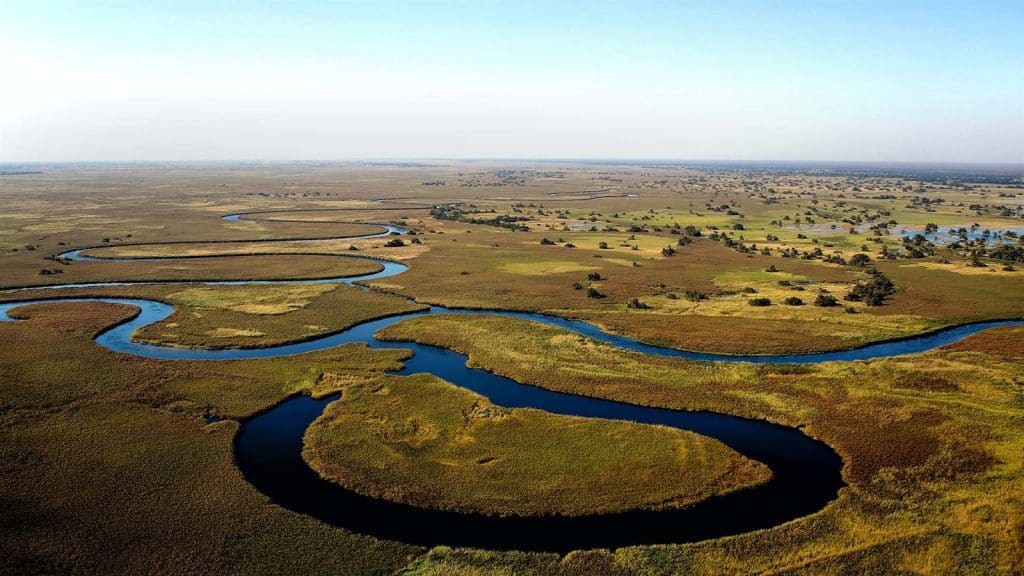
The Okavango Delta in northern Botswana is a seasonal floodplain spreading across the Kalahari, famous for mokoro safaris, superb wildlife, and secluded camps like Duba Plains Camp and Abu Camp. Travelers come for water-based activities, predator sightings, and exclusive Okavango Delta lodges in areas such as Moremi Game Reserve and Chief’s Island.
Key Takeaways
The Okavango Delta is a UNESCO World Heritage Site and the largest inland delta in the world, covering over 15,500 km² at peak flood.
Seasonal flooding peaks between June and August, drawing large herds of plains game and predators to permanent water sources across the delta region.
You can explore the delta by traditional dugout canoe (mokoro), motorboat, or on foot, with the mix of activities shifting depending on annual water flow.
Okavango Delta lodges range from ultra-luxury tented suites with plunge pools to simpler bush camps, all shaped by Botswana’s low-impact tourism model.
Most visitors access the Okavango through Maun, flying into bush airstrips aboard small aircraft before transferring by vehicle or boat to individual camps.
The Okavango Delta creates a living oasis in the Kalahari
The Okavango River begins in the Angolan highlands, flows through Namibia’s Caprivi Strip, and fans out across Botswana into a vast network of channels, lagoons, and islands. This river never reaches the sea. Instead it slows, spreads, and evaporates in the Kalahari Desert, forming a wetland system unlike anything else in Africa.
The delta covers approximately 15,000 square kilometers in a typical year and exceeds 15,500 km² when floods run high. UNESCO inscribed it as a World Heritage Site in 2014, recognizing its outstanding habitat diversity and largely pristine wilderness. The ecological significance of this delta is recognized internationally as one of the planet’s great biodiversity hotspots.
The core area holds permanent swamps and perennial swamps threaded with crystal clear channels. Surrounding seasonal floodplains turn into flooded grasslands when water arrives, then dry into open savanna. Dry islands anchored by termite mounds support mopane woodland and riverine forest. This mixture of habitats concentrates animals in predictable patterns during the dry season.
The delta remains mostly free of large-scale industrial dams or diversions, which helps preserve its natural flooding cycle. Papyrus-fringed waterways, palm-dotted islands, and enormous skies give a Botswana Okavango Delta safari its unmistakable character.
Seasonal water flow shapes every Okavango safari
The delta’s floodwaters travel from the Angolan highlands to Botswana over several months. Rains fall in Angola between November and March, but those waters do not reach the Okavango region until roughly May. The Okavango Delta experiences peak flooding between June and August, right in the middle of Botswana’s dry winter.
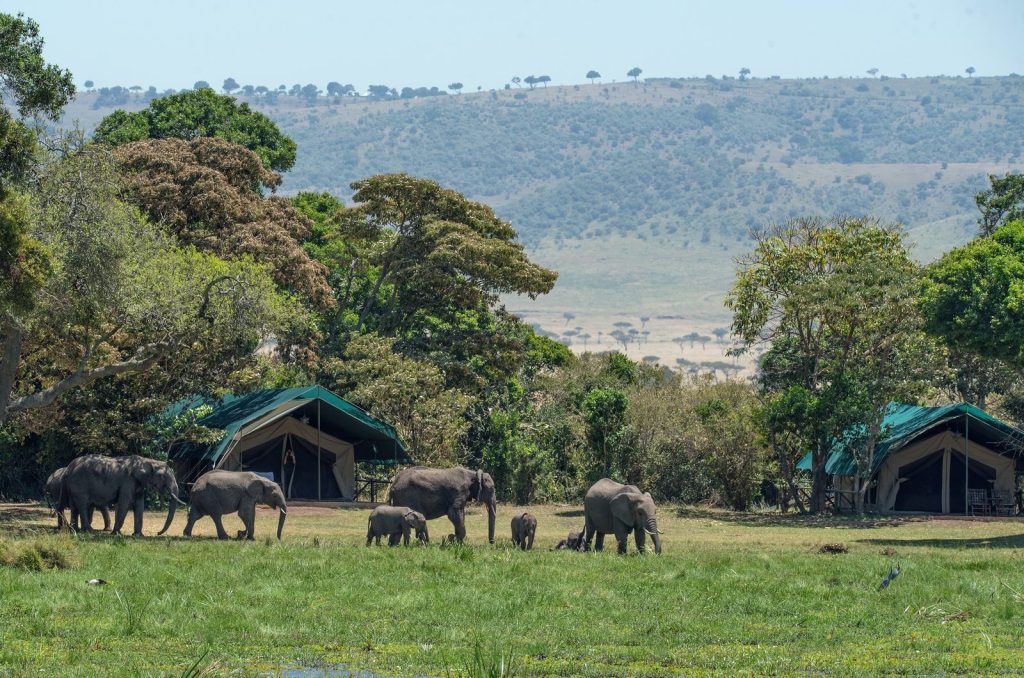
Seasonal floodwaters arrive in Botswana during the dry winter months, turning arid landscape into shallow lagoons that attract buffalo, elephants, and red lechwe by the thousands. The seasonal flooding supports vital breeding and feeding habitats for wildlife, creating green veins across the Kalahari Basin that sustain life through the driest stretch of the year.
Permanent channels and perennial swamps hold water year-round, supporting hippos, fish, and water birds regardless of season. Seasonal channels fill only during the flood pulse. This distinction shapes each camp’s activity calendar. A lodge on permanent water can run boat outings nearly every month; a camp in a seasonal zone may shift entirely to game drives and walking when flood waters recede.
The water flow is not identical every year. Climate patterns and upstream water use in Angola influence timing and extent, so flood height varies from one year to the next. Travelers should ask operators what conditions are likely during their travel month.
Global warming may reduce floodplains in the Okavango Delta over coming decades, making each visit a snapshot of a system in flux.
Wildlife thrives from tiny reed frogs to Hippopotamus amphibius
The Okavango Delta is home to one of the most abundant wildlife populations in southern Africa. UNESCO notes over 130 mammal species and more than 450 bird species across the property. The delta is a critical habitat for endangered species and is home to numerous key wildlife species, including the Big Five.
Semi-aquatic specialists set this delta apart from drier national parks. Red lechwe graze in ankle-deep shallows, bounding across flooded grasslands with a distinctive splashing gait. Sitatunga, shy and rarely seen elsewhere, shelter in dense papyrus beds along river banks. The delta hosts unique species like sitatunga and red lechwe that depend on its mix of water and land.
Hippopotamus amphibius is a keystone species here, shaping channels and lagoons by grazing vegetation along their edges and carving paths through reeds. Nile crocodiles share these waterways. At night, hippo grunts carry across the water and define the soundscape of any camp near a watering hole.
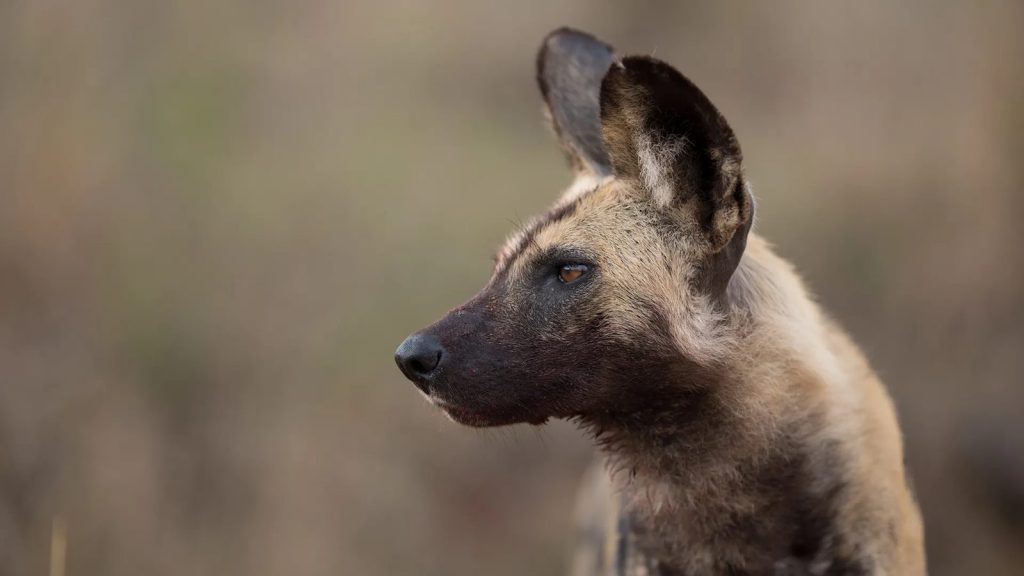
Lion, leopard, cheetah, African wild dogs, and spotted hyena patrol floodplains and islands. Certain concessions, particularly in the northern delta, are known for intense lion and buffalo interactions visible from open vehicles. The delta provides significant habitat diversity supporting various species across its mosaic of woodland, grassland, and swamp.
Notable birds include Pel’s fishing owl, African jacana, herons, kingfishers, and wattled crane. The delta supports high biodiversity, including hundreds of bird species, with birding at its best during and after the rainy season when migrants arrive and breeding plumage is on display. Other species, from painted reed frogs to elephantfish, round out a vast array of life in this wetland system.
Water-based activities reveal the Okavango’s quiet side
A mokoro excursion is the signature Okavango experience. A skilled poler stands at the stern of a traditional dugout canoe, guiding it through shallow, lily-covered channels while you sit low to the water. Mokoro rides provide serene wildlife viewing experiences, with the focus on birdlife, frogs, dragonflies, and reflections rather than big-game chases.
Mokoro outings typically run in calm, shallow areas away from deep hippo paths. Guides choose routes where the water is clear and the reeds part gently. You hear jacanas stepping across lily pads and the occasional splash of a retreating crocodile. It is one of the quietest ways to move through nature anywhere in the world.
Motorboat outings open up deeper channels and lagoons. Boat rides offer views of elephants and other wildlife gathering at the water’s edge, and many Okavango Delta lodges run these trips when water levels allow. Some concessions use low-wake photographic boats fitted with camera mounts for steadier shots.
Walking safaris take over when water recedes from islands. Guides lead small groups across dry floodplains, reading tracks, identifying dung beetles, and pointing out medicinal plants. The feel of cracked mud underfoot and the distant call of a fish eagle make these walks memorable.
You can explore the delta by mokoro, motorboat, or on foot, but the mix changes with the season. Very low water limits boating; peak floods may replace game drives entirely with water-based outings.
Land safaris and Moremi Game Reserve deliver classic big-game viewing
The eastern side of the Okavango Delta is largely protected by Moremi Game Reserve, one of Africa’s first community-driven reserves, created in the 1960s by the BaTawana people to safeguard the wildlife on their ancestral land. It remains a cornerstone of Botswana’s conservation story.
Moremi and its surrounding concessions offer game drives through a mix of mopane woodland, acacia thickets, and open floodplain. Elephants, giraffe, zebra, wildebeest, buffalo, and predators are all present. During the dry season, animals concentrate around remaining water, making sightings frequent and photographic opportunities outstanding.
Chief’s Island sits within Moremi and is often highlighted by safari operators for its dense concentrations of wildlife. Large herds of buffalo graze its open plains, drawing lion prides that have made this area famous among repeat visitors to Africa.
Night drives and off-road tracking are generally restricted to private concessions rather than inside Moremi Game Reserve itself, due to park regulations. Travelers seeking flexibility in following predators or tracking wild dogs after dark should consider a concession-based camp as part of their itinerary.
Land-based areas are often a strong starting point for first-time visitors focused on big cats and general plains game, while still offering occasional water activities when flood levels permit. Combining a drier concession with a water-heavy island camp gives the fullest safari experience.
Okavango Delta lodges balance seclusion with comfort
Most Okavango Delta lodges sit on private or community concessions, reachable only by light aircraft and built with low-impact structures such as raised walkways and tented suites. The Okavango Delta offers luxury lodges and tented camps as its primary forms of accommodation, along with options like Duke’s Camp and Selinda Camp that each bring their own character.
Botswana employs a low-impact tourism model to protect the delta’s environment. The country’s tourism authorities have long championed a high-value, low-volume approach that keeps visitor numbers relatively low and channels revenue toward conservation and community trusts. Tourism is vital to Botswana’s economy and supports local livelihoods across the Okavango region.
Accommodation ranges from rustic to luxurious experiences. Some camps feature private plunge pools, air-conditioned tented suites, and elevated decks overlooking lagoons. Others keep things simpler, focusing on guiding quality, campfire dinners, and proximity to wildlife rather than opulence. All prioritize safety on water and land.
Many lodges run on solar power, manage water carefully, and follow policies designed to minimize their footprint. Many camps use temporary or removable structures, a design choice that reflects Botswana’s commitment to leaving the pristine wilderness intact. Some operators have rehabilitated former camp sites to near-original condition.
Signature camps like Duba Plains and Abu offer distinct experiences
Certain named camps have become shorthand for specific safari styles in the Botswana Okavango Delta. They are frequently cited by reputable safari operators and conservation partners as benchmarks for a unique safari experience.
Duba Plains Camp sits in a remote northern concession known historically for lion and buffalo interactions across wide floodplains. The landscape shifts dramatically with the seasons, from flooded grasslands in winter to golden savanna in the dry months. Fishing and boating complement game drives when water is high.
Abu Camp has built its reputation on immersive elephant-centered experiences, described by the camp and its conservation partners as observation-based encounters rooted in ethical wildlife practices. The camp’s surroundings also reward those interested in birding and antelope species.
Other camps across the delta specialize in walking, boating, or photographic safaris. Combining two or three areas, such as a water-focused island lodge and a drier predator-rich concession, gives a fuller sense of the ecosystem and its seasonal rhythms.
Policies, room counts, and rates change, so confirm details directly with operators before booking.
Planning when to visit transforms your Okavango experience
May through October is often recommended by safari specialists for dry-season game viewing. Flood waters fill the channels, vegetation thins out, and mammals gather around permanent water. This period provides the most predictable combination of water-based and land-based activities.
November through March is the green or rainy season. Dramatic thunderstorms roll across big skies, migratory birds arrive, and young animals appear across the floodplains. Visitor numbers drop, rates tend to be lower, and the delta transforms into a lush, emerald landscape. Game visibility can be more challenging because vegetation is thick.
Shoulder months like April, early May, and late October offer interesting transitions. Water levels can be less predictable, but crowds are thin and the light for photography is often exceptional.
Clarify your priorities before choosing dates. If mokoro outings matter most, aim for high-water months. If predators and large herds are the draw, the late dry season rewards patience. Match your goals to the season, as most safari planners and Botswana tourism materials suggest.
Reaching the delta and combining it with wider Southern Africa
Most travelers fly into Maun, often called the gateway to the Okavango, from regional hubs like Johannesburg or Cape Town. From Maun or Kasane, small aircraft carry guests to bush airstrips near their chosen camp. Transfers from the airstrip to the lodge happen by game-drive vehicle or boat, depending on location and water levels.
The Okavango Delta combines naturally with Chobe National Park to the northeast, the Makgadikgadi Pans to the east, or the Victoria Falls region in Zimbabwe or Zambia. These additions create a classic southern Africa itinerary that moves through different landscapes, from riverfront to salt flats to thundering falls.
Small aircraft enforce strict luggage limits. Soft duffel bags are usually required, and weight allowances vary by operator. Confirm exact limits before you pack, and leave hard-shell suitcases at home.
Conservation efforts help protect the Okavango’s future
Organizations like Conservation International, The Nature Conservancy, and the Okavango Delta Management Plan team have highlighted the basin’s importance and sensitivity. Cross-border cooperation through OKACOM brings Angola, Namibia, and Botswana together to balance human needs upstream with protecting wildlife corridors and floodplain habitats downstream. A buffer zone around the core area adds another layer of protection.
The UNESCO designation reinforces the conservation importance of the delta and draws international attention to threats. Oil exploration threatens the Okavango Delta’s ecosystem, particularly upstream in Namibia, where drilling proposals have raised concerns among scientists and conservation groups. Human encroachment threatens the Okavango Delta’s natural resources as populations grow along the delta’s fringes.
Research projects monitor wildlife trends, water quality, and community use of resources. These findings inform Botswana’s conservation policies and help park managers adapt to changing conditions. The delta is a biodiversity hotspot with numerous unique ecosystems, and ongoing study is essential to understanding what those ecosystems need.
Choose lodges that support local employment, community partnerships, and low-impact operations. Follow camp rules that limit disturbance to animals and habitats, from keeping voices low on mokoro trips to staying on designated tracks during game drives.
FAQ about planning an Okavango Delta safari
Below are answers to common questions from travelers preparing for their first or return visit to the Okavango.
How long should I stay in the Okavango Delta?
Many safari specialists suggest at least three nights in one area to settle into the rhythm of the bush. Five to seven nights split across two or three camps gives a deeper, more varied experience. Combining a water-focused lodge with a drier predator concession and perhaps a night or two in Moremi Game Reserve covers the broadest range of habitats and activities.
Is the Okavango Delta suitable for children and families?
Several camps welcome families, though age limits apply for certain activities such as walking safaris and mokoro trips. Water safety protocols are strict at every reputable lodge. Parents should confirm policies and safety measures directly with their chosen operator before booking.
What should I pack for an Okavango Delta trip?
Wear neutral-colored, lightweight clothing for daytime activities and carry a warm layer for cool mornings, especially from June through August. Bring a hat, strong sunscreen, insect repellent, and binoculars. Pack everything in a soft duffel bag that fits small aircraft luggage holds. Your camp will usually send a specific packing list after you book.
Are there malaria or health concerns in the Okavango Delta?
Parts of northern Botswana, including the Okavango, are considered malaria areas by health authorities. Travelers should consult a doctor or travel clinic about prophylaxis, vaccinations, and personal protection measures such as repellent and bed nets well before departure. Remote clinics have limited capacity, so comprehensive travel insurance is strongly recommended.
What makes the Okavango different from other African safari destinations?
The Okavango Delta is defined by water in a landscape where you least expect it. While many of Africa’s famous national parks center on open savanna or bushveld, the Okavango blends aquatic and terrestrial habitats into a single destination. The chance to glide silently through lakes and waterways by mokoro in the morning and track lion on a game drive in the afternoon is a combination few other places on the continent can match.