

Key Takeaways
A Tanzania safari usually combines the northern circuit (Serengeti National Park, Ngorongoro Conservation Area, Tarangire National Park, Lake Manyara) with beach time on Zanzibar Island or Mafia Island.
The best wildlife viewing falls in the long dry season from June to October, when sparse vegetation and concentrated water sources make wild animals easier to spot.
First-time visitors typically spend 7 to 10 days on Tanzania safari tours and should book top lodges 9 to 12 months ahead.
Southern parks like Ruaha National Park and Nyerere National Park deliver a quieter, more remote African safari experience that pairs well with the famous north.
Thoughtful packing, travel insurance with medical evacuation coverage, and choosing reputable, locally based tour operators are essential for a safe, rewarding safari experience.
Introduction explains why Tanzania defines the classic African safari
Tanzania is considered one of the ultimate safari destinations in the world. Serengeti National Park, Ngorongoro Crater, the Great Migration, and island add-ons like Mafia Island and Zanzibar make it a complete package. This guide gives a practical blueprint for a safari trip in Tanzania: where to go, when to travel, and how to combine wildlife viewing with the coast.
Location and access show how to reach Tanzania’s safari gateways
Tanzania sits in East Africa, bordered by Kenya, Uganda, Rwanda, Burundi, DR Congo, Zambia, Malawi, and Mozambique. It is among the most popular African countries for safari, and reaching it is straightforward from most continents.
Three main airports serve as entry points for Tanzania tours:
Kilimanjaro International Airport (JRO): Gateway to Arusha and the northern circuit, closest to Serengeti and Ngorongoro.
Julius Nyerere International Airport (DAR): In Dar es Salaam, the starting point for southern Tanzania fly-in safaris to Ruaha and Nyerere.
Abeid Amani Karume International Airport: On Zanzibar, ideal for travelers beginning or ending with island time.
International flights typically route through hubs such as Nairobi, Addis Ababa, Doha, or Amsterdam before connecting onward. Arusha serves as the ground base for most northern circuit departures, with safari vehicles heading out early each morning. Southern circuit itineraries often begin with a light aircraft transfer from Dar es Salaam to remote airstrips inside or near the parks.
Best time to visit aligns seasons with wildlife and crowd levels
The best time to visit Tanzania is from July to September, and more broadly, wildlife viewing is best during the dry months of June to October. Vegetation thins, animals cluster around rivers and waterholes, and cooler nights make for comfortable camping.
Here is how the year breaks down:
Season | Months | Conditions |
|---|---|---|
Long dry season | June to October | Best game viewing, high demand, busiest in the northern parks |
Green Season | November to March | Short rains, lush scenery, excellent birding, lower prices, fewer vehicles in popular parks |
Long rains | April to May | Heaviest rainfall, muddy roads, some lodge closures |
Calving season | January to March | Ideal times for viewing the calving season in southern Tanzania and the southern Serengeti |
April and May are the heaviest rainy months in Tanzania, and access to parks like Ruaha National Park and Nyerere National Park can be seriously affected. This period suits only flexible, value-focused travelers willing to accept weather trade-offs.
Climate variability is real. Rain onset shifts year to year, and migration timing follows rainfall rather than fixed calendars. Always check recent local forecasts before finalizing dates.
Key safari regions compare the northern, southern, and western circuits
The primary safari routes in Tanzania are the northern circuit and southern and western circuits. Tanzania has more than 20 national parks, offering everything from open plains teeming with migrating animals to dense forest alive with primates.
Northern circuit: Serengeti National Park, Ngorongoro Conservation Area, Tarangire National Park, Lake Manyara National Park, and Arusha National Park. Logistical ease from Arusha, concentration of wildlife, and proximity to the Great Migration make it the default for first-time visitors.
Southern circuit: Ruaha National Park, one of the largest national parks in Africa, plus Nyerere National Park, Mikumi National Park, and Udzungwa Mountains. Walking safaris, boat safaris, and night drives define the experience here. Fewer vehicles and far lower visitor numbers create an authentic experience of the African bush.
Western circuit: Katavi National Park, Mahale Mountains National Park, and Rubondo Island. These areas are reached almost exclusively by light aircraft and see extremely low visitor numbers. Mahale Mountains National Park is best for chimpanzee trekking along the shores of Lake Tanganyika.
First-time safari-goers tend toward the north. Repeat visitors and photographers often prioritize the south or west for solitude.
Northern circuit highlights map out the classic Tanzania safaris
Most first-time visitors focus on the northern circuit because it condenses Tanzania’s greatest hits into a compact route accessible from Kilimanjaro International Airport and Arusha.
Serengeti National Park is the archetypal African safari landscape. A UNESCO World Heritage Site covering roughly 14,700 square kilometers, according to UNESCO, the Serengeti is home to large resident lion prides, leopards, cheetahs, and the famous Great Migration across the Serengeti plains. Central Serengeti offers year-round resident wildlife, while northern Serengeti is the stage for dramatic Mara River crossings.
Ngorongoro Conservation Area and crater form a volcanic caldera that, according to the Ngorongoro Conservation Area Authority, shelters roughly 25,000 large animals. The crater offers one of the highest concentrations of wildlife in Africa, and strong chances to see the Big Five (lions, leopards, elephants, buffalo, and rhinoceros) in a single day. The highlands above the rim are home to local Maasai people who graze livestock alongside wildlife.
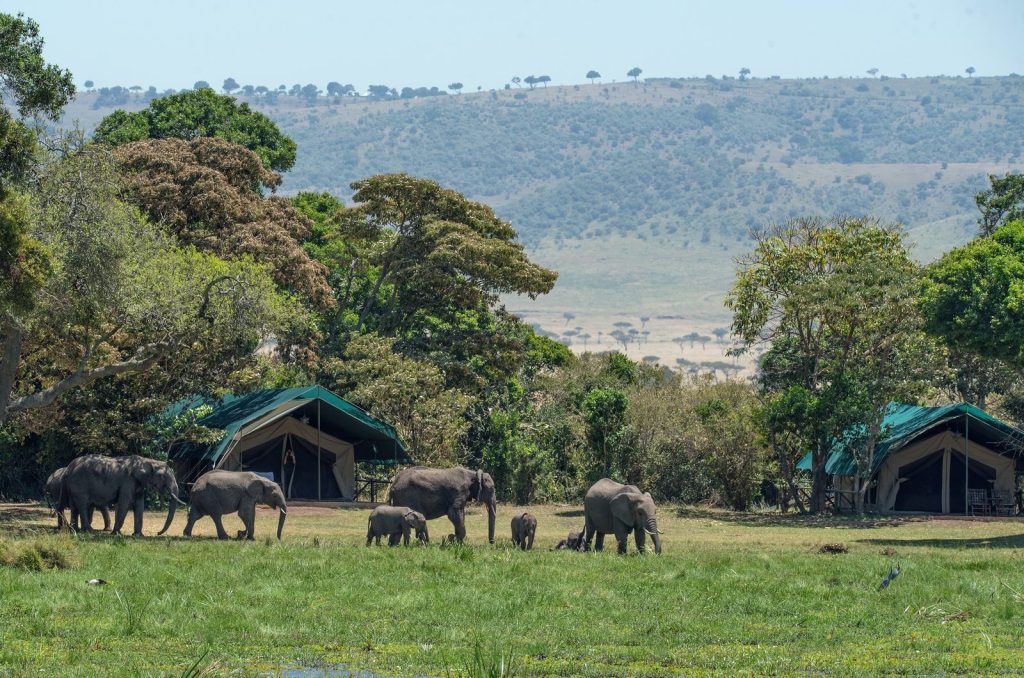
Tarangire National Park is best for seeing elephant herds. Its baobab-studded scenery and seasonal river create a drier landscape that contrasts with the grassy plains of the Serengeti.
Lake Manyara National Park sits along the Great Rift Valley. The soda lake draws seasonal flamingos and hundreds of bird species. Lake Manyara is famous for its tree-climbing lions, though sightings are never guaranteed.
Suggested stays: 2 to 4 nights in Serengeti, 1 to 2 nights on the Ngorongoro Crater rim, 1 to 2 nights in Tarangire or Lake Manyara. A short visit to Arusha National Park works well for travelers with a half-day before or after the main safari. A visit to a nearby Maasai village can complement any stop in the northern circuit.
Southern and western parks deliver quieter, more off-grid wildlife viewing
Ruaha National Park, Nyerere National Park, Katavi National Park, and Mahale Mountains offer more solitude and a stronger sense of wilderness than the busy northern circuit. Southern circuit parks typically see far fewer visitors than the Serengeti.
Ruaha National Park is characterized by rugged landscapes with high populations of elephants and predators. The semi-arid terrain mixes savanna and river systems, and its sheer size means game drives here feel like a private adventure.
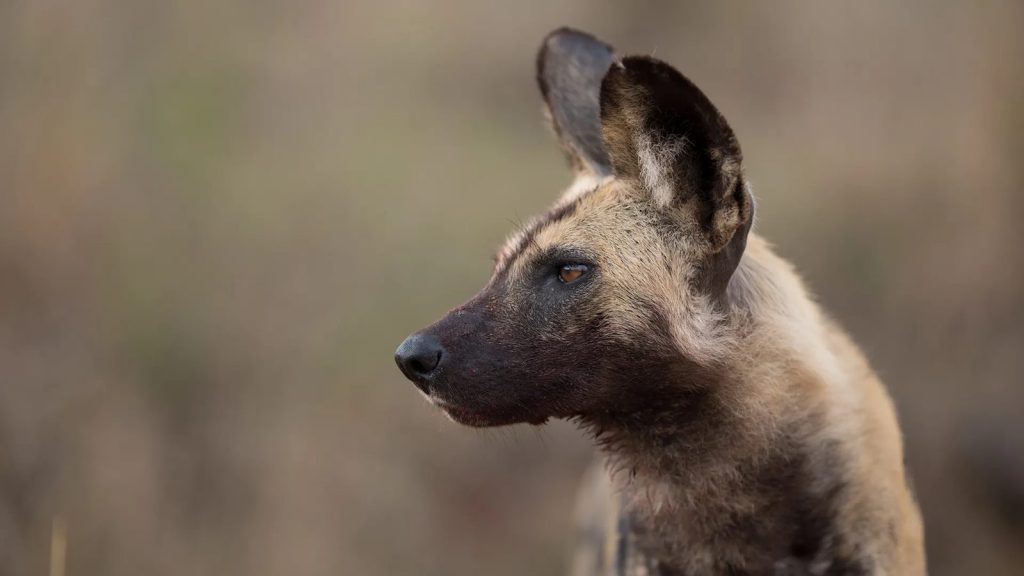
Nyerere National Park (formerly part of the Selous Game Reserve) follows the Rufiji River through floodplains and oxbow lakes. Boat safaris allow exploration of rivers and lakes for wildlife viewing, and the park supports strong populations of hippos, crocodiles, and wild dogs.
Katavi National Park is one of Tanzania’s least visited parks. During the dry season, rivers shrink to muddy pools that concentrate hippos, crocodiles, and buffalo in remarkable density.
Mahale Mountains National Park sits on the eastern shore of Lake Tanganyika. Dense forest hikes lead to habituated chimpanzee groups, and the beach-meets-mountain setting feels nothing like a savanna safari. Walking safaris provide an intimate experience of the African bush here.
Reaching these areas usually requires light aircraft from Dar es Salaam, Arusha, or Zanzibar, which influences cost and itinerary length.
Coast and islands balance bush adventures with Indian Ocean downtime
Many travelers end Tanzania tours with days on the coast, creating a bush-to-beach rhythm that defines a complete Tanzania vacation.
Unguja (Zanzibar Island) is the main hub. Stone Town’s Swahili heritage, coral reefs, and north-coast beaches make it the most popular choice. The broader Zanzibar Archipelago also includes smaller islets ideal for snorkeling and diving.
Mafia Island is a quieter alternative, famous for its marine park, rich coral, and seasonal whale shark encounters. It suits travelers who want an enjoyable experience away from resort crowds, with fresh seafood at intimate lodges.
Pemba Island and small islets like Mnemba offer more exclusive options, typically accessed through specialist lodges. These are the kind of places that make an African safari feel like a dream trip.
A typical coast add-on runs 3 to 5 nights. Combined safari-and-island itineraries of 9 to 12 days are common and let travelers view wildlife in the morning and unwind on sand by evening.
Safari styles and itineraries help match budget and travel time
Tanzania offers three broad travel style categories that shape your safari experience and budget. Accommodation style significantly affects safari costs.
Budget camping: Basic dome tents on shared campsites inside or near national parks. Communal facilities, simple meals. Shared group tours are generally more affordable than private safaris and work well for solo travelers or small groups.
Mid-range lodges and tented camps: Comfortable permanent or semi-permanent safari camps and seasonal tented camps with en-suite bathrooms. This tier includes most 4 to 8 day Tanzania safari tours.
Luxury Tanzania safari: Large suites, fine dining, a private vehicle, and expert guiding define this tier. Luxury tented camps provide high-end safari experiences in Tanzania. Some luxury lodge options feature fly camping nights under the stars for a stripped-back contrast.
Cost guidance:
Private safaris typically cost noticeably more per person per day than shared group departures, so ask operators for a written quote.
Mid-range pricing typically falls between budget camping and luxury, and varies by season and park choice.
Private safaris offer flexibility in itinerary and pace, and allow for personalized experiences and choices.
Trip lengths: 3 to 5 days covers quick highlights (Serengeti plus Ngorongoro). A fuller northern circuit loop needs 7 to 10 days. Adding islands or the southern circuit pushes toward 10 to 14 days. Most itineraries are tailor-made, so treat sample routes as starting points.
Wildlife experiences set expectations for what you might see
Tanzania’s varied ecosystems, from savannas to riverine forests, provide excellent chances to see all the animals on a classic African safari wishlist. Tanzania features diverse landscapes that support an extraordinary range of species across its national parks.
Key mammals: Lions, leopards, cheetahs, elephants, buffalos, hippos, giraffes, zebras, wildebeest, hyenas, warthogs, and various antelopes including impala, gazelle, eland, and sable.
Primates: Olive baboons and vervet monkeys on the northern circuit, black-and-white colobus in forested areas, chimpanzees in Mahale and Gombe.
Birding: Tanzania has well over 1,000 recorded bird species to observe, including Gray Crowned Crane, Lilac-breasted Roller, Secretary Bird, and seasonal flamingos on soda lakes.
Reptiles: Nile crocodiles and hippo pods in rivers like the Rufiji and Grumeti, plus lizards and tortoises spotted on walks.
Specialized interests like photography, birding, or walking safaris benefit from choosing camps and guides with a track record in those niches. Some parks in the south permit night drives and walking that are restricted in northern national parks.
Great Migration overview explains how it shapes Serengeti safaris
The Great Migration is a year-round, cyclical movement involving hundreds of thousands of wildebeest and zebras, along with gazelle, between Serengeti National Park and Kenya’s Masai Mara. The herds travel hundreds of kilometers during the migration, following rain and fresh grass.
The migration starts in the southern Serengeti and moves northwest through the year:
January to March: Calving on the southern Serengeti and Ndutu plains. Predators concentrate around vulnerable newborns.
April to June: Herds push through central Serengeti and into the western corridor, with Grumeti River crossings.
July to October: The most iconic Mara River crossings in northern Serengeti typically peak around August and September.
November to December: Herds begin the return south along the eastern corridor.
Predators like lions and crocodiles prey on migrating animals at every phase, creating scenes that define iconic safaris. River crossings are dramatic but unpredictable. Spending multiple nights near expected crossing points improves your odds.
Booking ahead is essential. Many operators suggest securing migration camps 9 to 12 months in advance, especially for seasonal tented camps near crossing sites.
Practical planning covers costs, packing, safety, and operators
A Tanzanian safari involves layered costs: park entry fees, guiding, safari vehicles, accommodation, meals, internal flights, and transfers. Budget is shaped by group versus private safari choice, lodge tier, circuit selection, and trip length.
Packing essentials:
Pack comfortable clothing in neutral tones for game drives and camp relaxation
Long sleeves for sun and insects; warm layers for cool mornings at the Ngorongoro highlands or near Mount Kilimanjaro
Insect repellent is necessary to avoid bites during safari
A camera is essential to capture wildlife moments
Bring a portable phone charger as electricity is limited in remote areas
Bring personal toiletries as they are unavailable in remote areas
A first aid kit is recommended for any minor injuries
Avoid wearing black to deter tsetse flies
Safety and health:
Consult your doctor or a travel clinic well before departure about yellow fever, typhoid, hepatitis A, and malaria prophylaxis, and check current guidance from the CDC
Drink only bottled water to prevent illness
Keep valuables out of sight to avoid petty crime in cities
Get medical evacuation coverage in your travel insurance; some operators require it for any remote safari
Follow your guide’s instructions around wild animals at all times
Choosing tour operators: Look for Tanzania-based offices, clear and transparent pricing, modern and well-maintained 4×4 safari vehicles, licensed guides, and verified guest reviews. Knowledge of less-visited parks matters if your itinerary includes the southern circuit or western frontier. A private safari with a reputable operator turns a good trip into an unforgettable experience.
Frequently Asked Questions
How far in advance should I book a Tanzania safari?
Many safari specialists recommend booking 9 to 12 months ahead for peak-season stays in the Serengeti and on the Ngorongoro Crater rim. Shoulder-season or southern circuit trips can sometimes be arranged 3 to 6 months out, but popular camps still fill quickly. If your first safari is planned around the Great Migration river crossings, early booking is not optional.
Is Tanzania suitable for a first safari compared to Kenya or Botswana?
Tanzania is widely regarded as an excellent first-timer destination. The northern circuit packs Serengeti National Park, Ngorongoro Crater, Tarangire, and Lake Manyara into a single route with high chances of seeing a wide range of species. Kenya offers a similar classic circuit. Botswana excels for low-impact, water-based, and exclusive safaris. Tanzania uniquely combines big-game drama with beach options in one country, making it a strong choice for anyone seeking a complete East Africa adventure.
Can I combine Mount Kilimanjaro with a Tanzania safari?
Many visitors climb Mount Kilimanjaro then recover with a shorter safari or beach stay. Allow at least a week for the climb plus several recovery days before beginning multi-day game drives. Arusha serves as the shared gateway for both Kilimanjaro treks and northern circuit safaris. Work with one coordinator to align transfers, gear storage, and timing across the entire journey.
What should I wear on game drives in Tanzania?
Light, breathable, neutral-toned clothing works best. Long sleeves protect against sun and insects. Bring a fleece or jacket for cool mornings at higher elevations such as the Ngorongoro rim. Many guides specifically advise against dark blue and black because tsetse flies are attracted to these tones. Sturdy closed-toe shoes are essential for walking safaris or any time you step out of the vehicle.
Is a Tanzania safari suitable for children?
Many lodges and operators welcome families, but age minimums vary by camp and activity. Walking safaris, chimp trekking, and some boat safaris often have stricter age limits. Families should look for shorter daily drives, pools at camps, family tents or connected rooms, and guides experienced with children. Discuss safety questions directly with your chosen operator before booking.