
Botswana offers more than the classic daytime vehicle safari. Between guided walks through wild bush and after-dark game viewing from open vehicles, you can see a side of Africa that most visitors never experience. The catch is that the rules differ sharply between national parks and private or community concessions. This guide explains where Botswana night drives and walking safaris are generally allowed, what to expect, and how to plan.
Night Drives and Walking Safaris Depend on Where You Stay
Botswana’s wildlife areas fall into two broad groups. National parks and game reserves are managed by the government and tend to have the strictest activity rules. Private and community concessions are leased to camps, which can usually offer a wider menu of activities.
In general, night drives and walking safaris are offered in concessions and community areas, not inside national parks. Rules can change, and individual camps set their own policies, so always confirm with your camp before booking, and ask the camp team which camps offer night drives or walks on your dates.
| Activity | National parks and reserves | Private and community concessions |
|---|---|---|
| Daytime game drive | Yes, on designated roads | Yes, often with off-road driving allowed |
| Night drive | Generally not permitted | Commonly offered |
| Guided walking safari | Generally not permitted | Commonly offered |
| Boat or mokoro outing | Varies by area | Varies by water levels |
If night game viewing or walking is a priority, choose a camp inside a concession. If you plan to stay inside a park such as Chobe National Park, expect daytime drives and boat trips instead.
Guided Walking Safaris in Botswana
A walking safari means stepping out of the vehicle with a licensed guide, and often a tracker. A Botswana walking safari is a more immersive, ground-level way to observe the bush, and guides are trained in wildlife behavior, tracking, and bushcraft, teaching skills you cannot learn from a seat in a vehicle.
Most walks last two to three hours at a relaxed pace. Some camps also run multi-day walking trails, and Botswana walking is often combined with game drives or mokoro outings depending on the area. Walking happens in private concessions and community areas such as those around the Okavango Delta, Linyanti, Kwando, and Khwai. For a deeper look at how walks work, read our African walking safari guide.
Walking Safaris Put Safety Before Sightings
Every walk is led by an experienced guide who manages the group and decides when to move, wait, or retreat. A tracker usually reads spoor and scans ahead.
Participants walk in single file and follow the guide at all times. If there is a big game encounter on foot, especially around elephant or buffalo, the guide keeps distance, uses vegetation for cover, and controls the encounter while staying in contact with camp.
Rules to keep in mind:
- Stay together and stay quiet
- Do not break formation or approach animals
- Follow all guide instructions without hesitation
Age minimums vary by camp, so ask before you book with children. Moderate fitness is expected. You should be comfortable walking over uneven, sometimes sandy ground for a couple of hours.
Walking Is Slow, Deliberate, and Full of Detail
Walks usually start in the early morning or late afternoon, when it is cooler and animals are more active. The pace is slow. Your guide stops to examine tracks in soft sand, point out a dung beetle at work, identify birds by call, or explain how a bush is used medicinally.
This is the value of slowing down: at ground level, the bush feels more alive, and using your senses reveals a fascinating level of detail in every broken twig and alarm call.
Okavango Delta Walking Combines Land and Water
The Okavango Delta mixes islands, floodplains, and channels, which makes it ideal for walking where the camp’s concession allows it. Island walks are often combined with mokoro (dugout canoe) travel for a memorable safari experience that lets you explore the Delta from land and water. A guide poles you to an island, you walk for a morning, and you return by water. Our guide to the mokoro safari in Botswana explains that side of the Delta.
Water levels matter. Floodwater usually peaks in the middle of the year and recedes afterward, so ground that is walkable in one month may be underwater in another. Ask your camp what is open on your dates.
Other Walking Areas Include Linyanti, Kwando, Khwai, and Makgadikgadi
The Linyanti and Kwando areas are known for walking and for the wildlife you can witness in quieter settings, because private concessions limit the number of vehicles. The Khwai community area, next to Moremi Game Reserve, also offers activities that the reserve itself does not. Makgadikgadi offers a different flavor, with walks led by San guides who share plant knowledge and traditional skills.
Night Game Drives in Botswana
A night drive is an unforgettable experience in the wilderness after dark: a safari activity run from an open vehicle, using a spotlight to find wildlife. Drives usually begin after sunset and run for a couple of hours, when activity is highest.
Many camps use a red filtered lamp, which disturbs animals less than white light. Your guide finds animals by following spoor, listening for calls, and helping guests watch for movement, eyeshine, and shapes beyond the spotlight beam.
Night drives are offered mainly in private concessions and community areas. They are generally not allowed in national parks and reserves such as Chobe, so plan your camps around this rule if after-dark viewing matters to you.
Nocturnal Animals Are the Reward
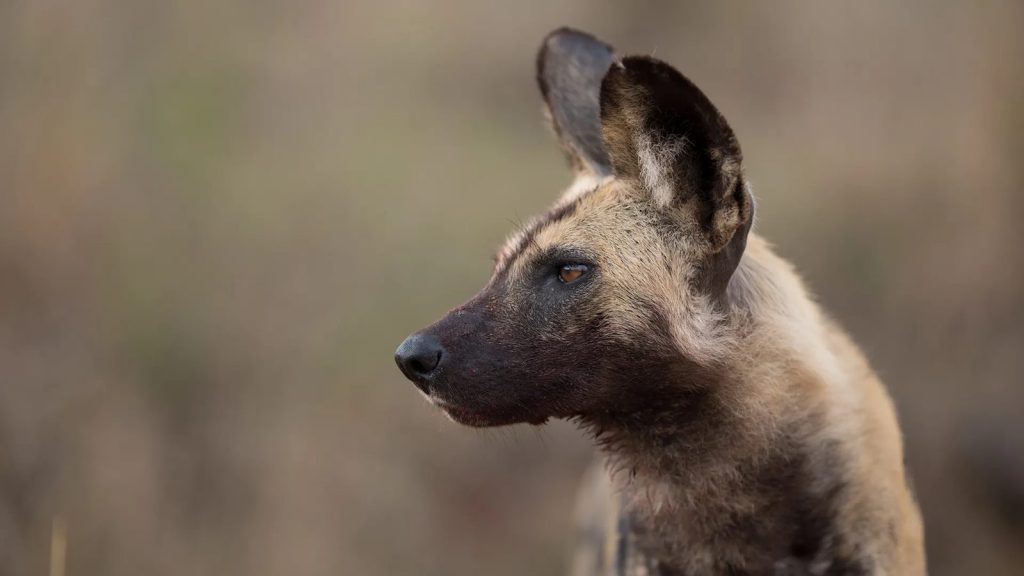
Night drives open up other animals rarely seen by day. Common sightings include bushbabies, genets, civets, servals, porcupines, honey badgers, and springhares. Aardvark and aardwolf sightings are rare but possible.
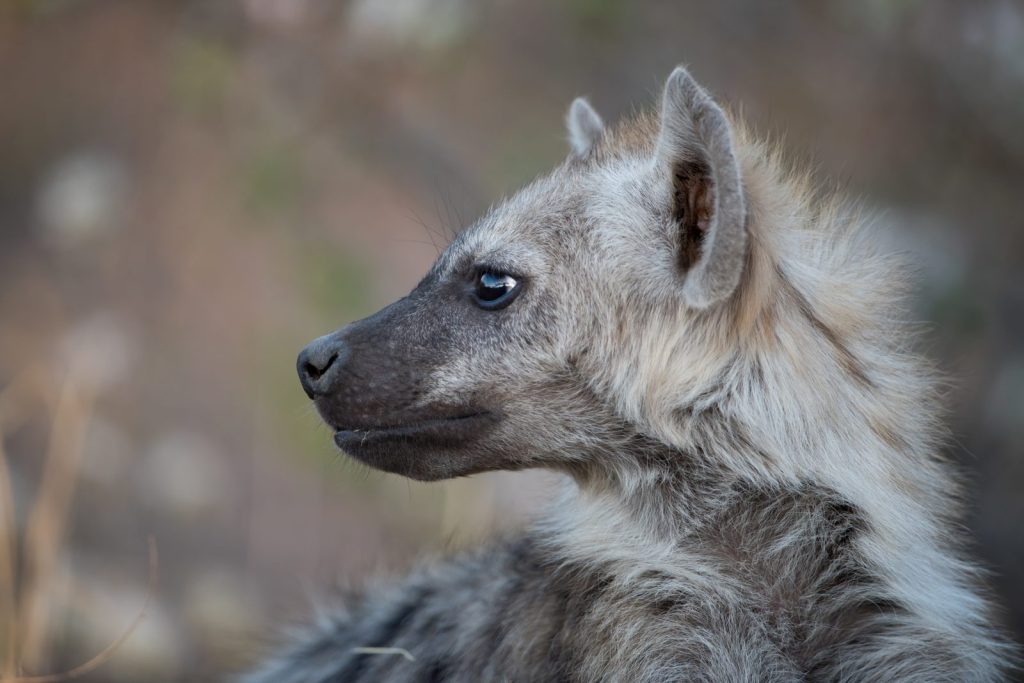
Predators change gear after dark. Guests may watch lions hunt, hyenas grow bolder, and a leopard may be stalking through the trees. A recent kill may also draw attention on a drive. Owls and nightjars call from the darkness.
The Bush Sounds Different at Night
Crickets, frogs, and hippos grunting from the water fill the air, and the sounds and sights of the bush at night make every rustle in the grass more intriguing as the darkness reveals a different world.
Responsible spotlight use matters, and heightened awareness helps guests pick up subtle movement and sound after dark. Good guides keep the beam moving, avoid shining light directly into animals’ eyes, and limit lighting time. Flash photography is usually discouraged. Dress warmly, because open vehicles get cold fast after sunset.
Combine Day Drives, Night Drives, and Walks
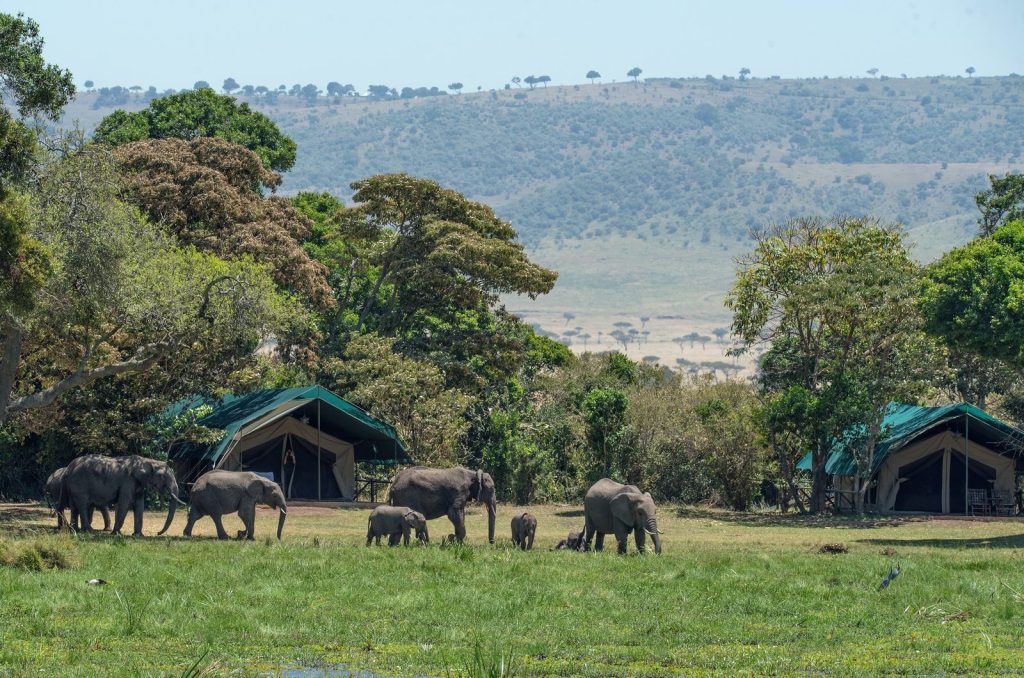
Daytime game drives give you the sweeping view: buffalo herds on a floodplain, elephants at a waterhole, giraffes browsing treetops. Night drives shift the focus to predators and smaller, stranger creatures. Walks reveal insects, reptiles, tracks, and plants that vehicles miss.
A trip that combines all three gives you breadth and depth. Many concession camps offer all of them, so you can switch between formats across several days. For help choosing regions and camps, start with our Botswana safari guide.
Planning a Walking or Night Safari
Here is a basic packing checklist:
| Item | Why it matters |
|---|---|
| Neutral colored clothing | Avoids startling wildlife |
| Closed, sturdy walking shoes | Handles sand, mud, and uneven ground |
| Binoculars | Essential for spotting distant wildlife |
| Hat and sunscreen | Protection from strong sun |
| Insect repellent | Useful in the wetter months |
| Warm layers | Night drives get cold quickly |
Timing Your Trip
The dry season, roughly May to October, is generally best for walking. Vegetation is lower, visibility is better, mosquitoes are fewer, and animals gather around remaining water. Midday heat can be intense later in the dry season, so walks are scheduled early or late. Some camps serve a bush breakfast after the morning walk.
The green season, roughly November to April, brings rain, dramatic skies, and newborn animals, but some roads become difficult and some activities may be restricted. Check conditions before you go.
Book early. Popular concession camps often fill well ahead of the dry season.
Frequently Asked Questions
Are walking safaris safe?
They are led by licensed, experienced guides with strict safety protocols, and the format is designed around managed risk. Follow your guide’s instructions at all times.
How long do walks last?
Most guided walks run two to three hours. Multi-day trails exist at some camps.
Where is walking permitted?
Generally in private concessions and community areas, not in national parks and reserves. If walking is a priority, choose your camp accordingly.
Are night drives allowed in national parks?
Generally no. They are offered in concessions and community areas. Confirm with your camp, since policies can change.
What fitness level do I need?
Moderate. You should be able to handle uneven ground, soft sand, and a few hours on foot.
Can families take part?
Age limits vary by camp and activity. Check with your lodge before booking.
A walk at dawn or a leopard slipping through the dark are the moments that stay with you long after the trip ends. Choose your concession carefully, confirm each activity before you book, and prepare for something special.