
Botswana has hundreds of bird species recorded across wetlands, woodlands, floodplains, salt pans, and desert. For independent travelers, it is one of the few safari destinations in southern Africa where world-class bird watching and big-game viewing overlap in the same parks, on the same game drives, and from the same boats. This guide covers where to go, when to go, and which species to look for.
Key Takeaways
- Botswana birding spans habitats from the Okavango Delta to the Kalahari Desert, which makes it one of the top birding destinations in southern Africa.
- The best birding season is roughly November to April, the green season, when migrants arrive and many residents show breeding plumage. May to October works well for combining birds with big-game viewing.
- You can bird key regions like the Okavango Delta, Chobe National Park, the Chobe River front, and the Kalahari by mixing lodges, self-drive routes, and guided outings.
- Sought-after species include Pel’s Fishing Owl, Slaty Egret, Wattled Crane, African Skimmer, and several bee-eater species.
Why Botswana Is a Top Birding Destination
Botswana is landlocked and one of the most sparsely populated countries in Africa. The Kalahari Desert covers a large share of the country, yet the northern part holds permanent wetlands, riverine forests, and floodplains that support hundreds of water birds and forest specialists.
Habitat diversity is the key. The Okavango Delta spreads across thousands of square kilometers of channels, lagoons, and seasonal floodplains. The Makgadikgadi Pans are vast salt flats that fill in good rain years. Between these extremes sit mopane woodlands, riverside forests along the Chobe River, and open Kalahari sandveld. Each habitat supports a distinct bird community.
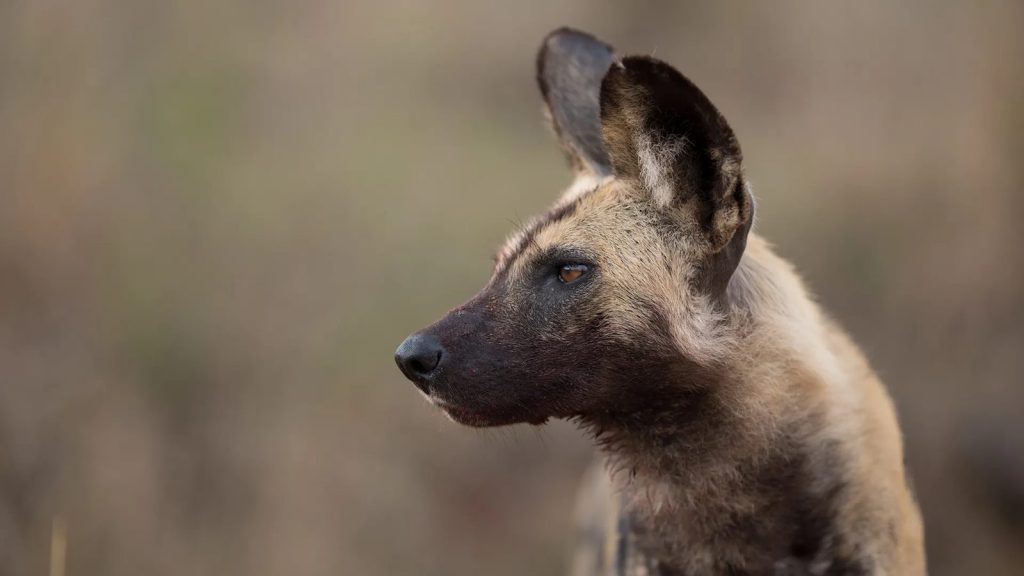
The Okavango region is a stronghold for Slaty Egret and Wattled Crane, two threatened species that depend on healthy floodplains. Low visitor density keeps the experience quiet. Northern Botswana is also a good place to see African wild dogs, so birders often add a painted dog search to the itinerary.
Best Seasons for Birding in Botswana
Birding is productive year-round, but the experience shifts between the green season and the dry season.
The green season, November to April, offers the greatest bird diversity. Migrants arrive from Europe and northern Africa, and many resident birds wear breeding plumage. Expect heavy afternoon storms, muddy tracks, and temporary camp closures in remote areas from December through February.
The dry season, May to October, is better for raptors, which ride thermals over open ground. Birds and mammals gather around permanent water such as the Chobe River and the main Okavango channels. Southern Carmine Bee-eaters nest in colonies along riverbanks in the later dry season.
April and May are shoulder months. Lingering migrants overlap with receding water and improving roads, a good compromise for a combined birding and mammal trip.
Birding is best in the first hours after sunrise in every season.
| Season | Months | Birding highlight |
|---|---|---|
| Green (wet) | November to April | Migrants, breeding plumage, peak diversity |
| Shoulder | April to May | Lingering migrants, improving access |
| Dry | May to October | Raptors, bee-eater colonies, waterbird concentrations |
For maximum species counts, aim for late November to early March. For big game plus solid birding, July to October balances both.
Key Birding Regions and Parks
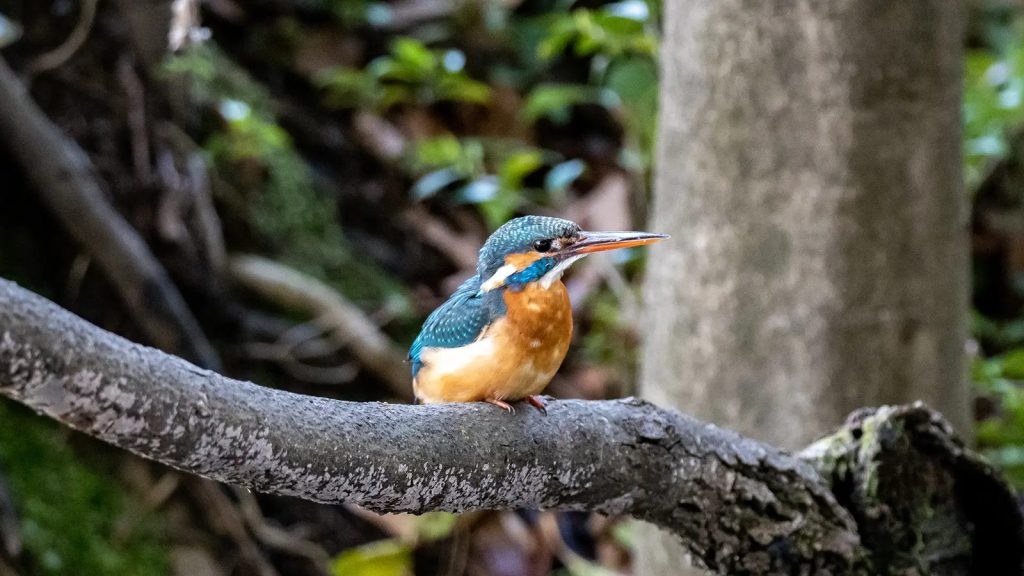
The Okavango Delta is Botswana’s premier birding destination. Moremi Game Reserve sits within it, combining wetland channels with dry woodland. Herons, kingfishers, bee-eaters, and rare birds like Pel’s Fishing Owl and Slaty Egret all occur here. Our Okavango Delta guide explains the region.
Chobe National Park has strong birding in its own right. The Chobe River front near Kasane is a hotspot for African Skimmer, kingfishers, and raptors. The Savuti and Linyanti areas host open-country birds in the dry season, including bustards and eagles.
Kgalagadi Transfrontier Park, on the southwestern border, draws raptor specialists hoping for Martial Eagle, Bateleur, and Lanner Falcon over dry riverbeds. The Central Kalahari Game Reserve suits arid-adapted species such as coursers, sandgrouse, and larks.
Nxai Pan National Park and the Makgadikgadi Pans attract flamingos and other water birds when rains fill the pans. Nata Bird Sanctuary offers accessible birding near the pans.
For the most varied trip, combine at least one wetland area, Okavango or Chobe, with one drier Kalahari or pans destination.
Signature Species Worth Planning Around
Pel’s Fishing Owl is a prized target, found along quiet Delta channels where it perches above the water and hunts fish at night. Slaty Egret depends on the Delta’s seasonal floodplains. Wattled Crane is a threatened wetland species that feeds on floodplains. African Pygmy Goose and Lesser Jacana live on quiet backwaters and lily-covered lagoons.
Along the Chobe River, African Skimmer forages at the water’s edge in the dry season. Squacco Heron, Goliath Heron, and White-backed Night Heron occur along riverine channels. African Finfoot is an occasional sighting in quieter stretches.
On game drives, the Kori Bustard stands in open grassland, and Southern Ground Hornbills walk in small groups through mopane woodland. Lilac-breasted Roller is common on roadside perches, and vultures and eagles circle overhead.
For photographers, Little Bee-eaters perch on low branches near camps, and Southern Carmine Bee-eater colonies create flashes of crimson on sandy riverbanks in the dry season. Waxbills, firefinches, and sunbirds visit lodge gardens and waterholes.
Birding by Habitat
Understanding habitats helps you target species.
Delta channels, lagoons, and floodplains are prime for African Fish Eagle, African Pygmy Goose, Greater Painted Snipe, Wattled Crane, and reedbed birds such as African Reed Warbler and Greater Swamp Warbler. As floodwaters spread slowly over dry ground, they also expose insects and other creatures that draw feeding flocks.
Riverine woodland along the Chobe and Okavango rivers hosts African Green Pigeon, Woodland Kingfisher, hornbills, barbets, and owls.
Open savanna and mopane woodland support rollers, bee-eaters, larks, Kori Bustard, and many raptors, easily seen on afternoon game drives.
Arid Kalahari dunes, pans, and grasslands hold sandgrouse at waterholes, Kalahari Scrub Robin, and large raptors scanning from scattered trees, so you can still record many species in the dry season.
Use a birding app or printed regional checklist to filter species by habitat when planning each day.
Planning a Botswana Birding Safari
Three decisions shape the trip: when to go, which regions to link, and how much guiding you need.
If birds are the whole point, plan longer stays in the best birding areas, with time on foot, by boat, and by mokoro. Many dedicated birding safaris are timed for summer, when migratory birds boost the species list, though dry-season birding can still be excellent around permanent water. For a general safari with a strong bird component, eight to twelve days split between two or three contrasting regions works well for a first visit.
You can self-drive in accessible areas such as Chobe, or stay in fly-in lodges in remote Delta concessions, some of which are reachable only by light aircraft. Consider hiring experienced birding guides for a few key days if you have a target list. Compare several operators before committing, and check what is included.
Carry binoculars and a regional field guide, download a checklist app, and keep your schedule flexible. Watching one waterhole or channel bend patiently often produces more species than covering long distances.
Okavango Delta and Moremi: Birding on Foot, by Vehicle, and by Water
Seasonal flooding creates a shifting mosaic of open water, reed beds, and dry islands, so high species counts fit into a small area.
An early walk around camp reveals owls, woodpeckers, shrikes, and weavers. An afternoon drive through dry woodland picks up raptors, bustards, and rollers alongside elephants and lions.
Boat trips on deeper channels offer African Fish Eagle, herons, storks, and sometimes Pel’s Fishing Owl on overhanging branches. A mokoro trip gives a quiet, low-angle view of waterbirds, kingfishers, and reedbed species that motorboats flush. As pools shrink late in the dry season, birds concentrate into smaller areas.
Self-drive camps give flexibility, while fly-in lodges save time and often pair outings with experienced birding guides who know seasonal stakeouts.
Pack light but do not skip birdwatching equipment: binoculars and field guides should be in the bag, and a checklist app helps you keep track of sightings.
Chobe National Park and the Chobe River
Chobe is famous for elephants, but the birding justifies a dedicated visit. The river front near Kasane is one of the most accessible birding areas in northern Botswana.
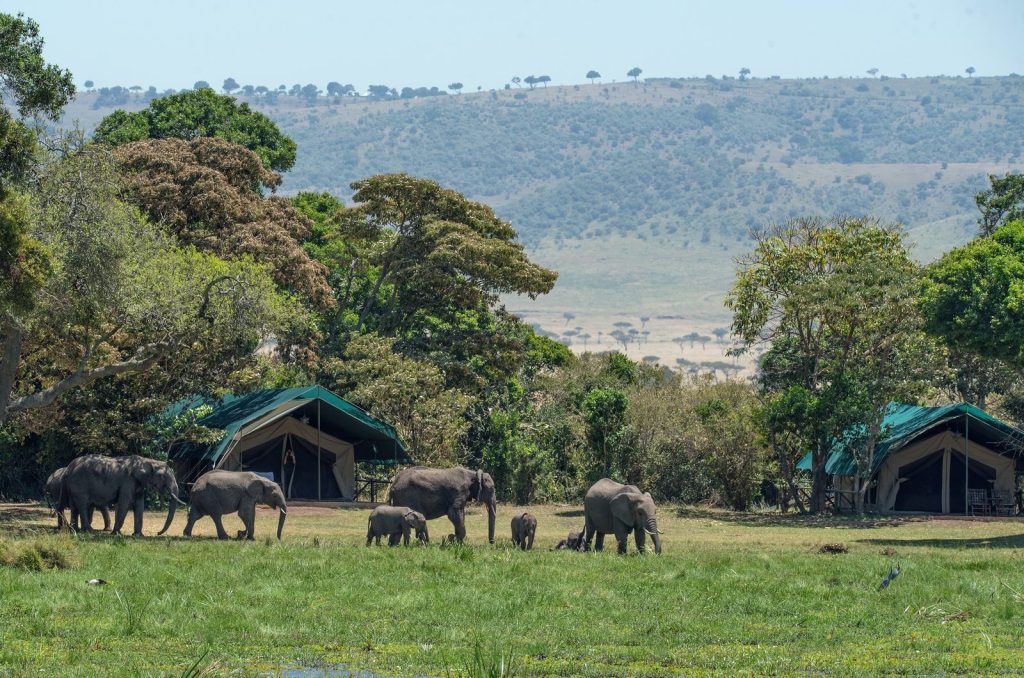
A Chobe River cruise passes African Skimmer in the dry season, African Fish Eagles calling from dead trees, and bee-eater colonies in sandy banks, and in the park’s mixed riverine, floodplain, and woodland habitats you can also look for the Broad-tailed Paradise Whydah. Herons, egrets, and kingfishers line the channel edges. Late in the dry season, birds and mammals crowd the river, so elephants wade past herons within meters of skimmers. Our Chobe elephants guide covers the mammal side.
Inland, Savuti offers raptors over open grassland, plus Kori Bustard and Secretarybird on game drives. Kasane makes an easy base, and the road to Victoria Falls is short for those building a wider itinerary.
Kalahari, Pans, and Kgalagadi: Arid-Country Birding
The Kalahari offers the greatest contrast to the water-rich north. Central Kalahari Game Reserve is remote and needs a self-sufficient setup. Rewards include larks to puzzle over, coursers on open pans, and sandgrouse arriving at waterholes at dawn.
Nxai Pan and the Makgadikgadi Pans fill with flamingos and waterbirds after good rains and turn to empty salt flats in drought years. Kgalagadi is a classic raptor destination, with Martial Eagle, Bateleur, and Pale Chanting Goshawk patrolling dry riverbeds.
These areas can be extreme in temperature and demand careful planning around water, fuel, and camping logistics. They reward experienced birders with species impossible to find in the north.
Practical Tips: Gear and Photography
- Binoculars: 8×42 or 10×42 suit most conditions. A lightweight spotting scope helps in open habitats and along the Chobe River.
- Clothing: Neutral colors, a wide-brimmed hat, and quick-drying layers. Mornings can be cold from June to August.
- Dust and water protection: Zip-lock bags for optics and cameras on boats and dusty drives.
- Photography: A 100-400mm or 200-600mm telephoto lens covers most bird photography from vehicles and boats.
- Calls and checklists: Learn a few common calls before you arrive, and use checklist apps filtered by region.
FAQs About Birding in Botswana
Is Botswana suitable for beginner bird watchers?
Yes. Many birds are large and conspicuous, like the Kori Bustard or an African Fish Eagle calling from a bare tree. Guides are used to mixed-interest groups and point out birds during normal game drives. Avid birders find it rewarding too, because of species like Pel’s Fishing Owl and Slaty Egret.
Can I combine birding in Botswana with other countries?
Yes. Linking Chobe with Victoria Falls in Zimbabwe or Zambia is a common route. Give Botswana enough days that birding does not feel rushed, and avoid cutting the Okavango short.
Do I need a specialist bird guide?
Most camp guides have solid general bird knowledge. If you have a list of target species or want focused time in specific habitats, arrange a few days with a specialist guide.
How flexible are daily schedules?
Most camps run early morning and late afternoon activities with a midday rest. Tell the camp your birding priorities when you book and again on arrival so guides can plan routes around prime bird activity.
Are there health or safety considerations?
Standard safari precautions apply: follow your guide on wildlife distances, keep clear of nesting birds, and take care near water. Carry sun protection and water. Check current health advisories before you go, including malaria recommendations for northern regions.