
Khwai sits at the wild edge of Botswana’s Okavango Delta, between two of Africa’s most productive wildlife areas. For independent travelers who want flexibility, predator sightings, and activities that national parks do not allow, Khwai delivers. This guide covers seasons, wildlife, activities, accommodation, logistics, and sample itineraries.
Key Takeaways
- Khwai lies between Moremi Game Reserve and Chobe National Park, in concessions that wildlife crosses freely. That movement produces outstanding wildlife viewing for much of the year.
- Two main safari areas exist: the Khwai Community Concession around Khwai village, and the larger private reserve areas nearby, all centered on the Khwai River.
- Khwai is famous for predator sightings, including African wild dog, lions, and leopards, plus night drives, game drives, and mokoro safari trips that are generally not permitted inside Botswana’s national parks.
- The area works for both lodge-based and self-drive safaris, but roads can be very challenging in the rainy season. Always check current conditions and rules with the Department of Wildlife and National Parks (DWNP) or your chosen camp.
- Travel logistics usually run via Maun (sometimes Kasane), with light aircraft flights or long 4×4 drives. Expect park, community, and concession fees, and confirm all amounts before departure.
Where Khwai Sits in Northern Botswana
Khwai is on the north eastern fringe of the Okavango Delta, between Moremi Game Reserve to the south and Chobe National Park to the north and east. It sits where permanent delta waterways meet the drier woodlands of northern Botswana.
The Khwai area is made up of a community concession and neighboring private concessions, with no fences between them or the surrounding wilderness. Animals, from elephant herds to wild dogs, cross these boundaries without restriction. Exact boundaries and concession numbers are easy to confuse, so check the map your camp or operator uses.
The Khwai River forms the northern boundary of the Okavango Delta area discussed here, fed by seasonal floodplains and creating permanent pools that concentrate wildlife through the long dry months. Khwai village sits on the northern bank of the river, near the edge of Moremi Game Reserve, and serves as the cultural and logistical hub for the local community.
The diverse landscape shifts from open floodplains and pockets of riverine forest (sycamore fig, leadwood, jackalberry) along the river to mopane woodland stretching north toward Chobe National Park, which supports a full range of species.
Khwai River, Landscape and Seasons
The Khwai River is the lifeline of this wildlife area. In the dry season it draws huge numbers of animals to its shrinking pools. When Okavango floodwaters arrive (typically May to June), they feed side channels and seasonal floodplains that open up water-based activities such as mokoro safaris.
Khwai offers diverse habitats including floodplains, woodlands, and waterways. Travelers will find flooded river margins, open grasslands, palm islands, acacia and mopane woodland, and seasonal pans that hold water after rains.
Seasons at a glance:
- January to March: Hot, wet, emerald-green landscapes. Hundreds of bird species make this a birdwatcher’s paradise, with migratory species arriving. Very few other vehicles. Roads can be flooded or deeply rutted, and 4×4 conditions are at their trickiest.
- April to May: Transition period. Cooler nights, clearing skies, and floodwater channels beginning to fill. Access gradually improves.
- June to September: Peak dry season. Cool mornings, excellent visibility, and exceptional wildlife viewing along the Khwai River. Wildlife viewing is best during the dry season, when animals concentrate at permanent water sources.
- October to November: The hottest, driest stretch. Game viewing can be intense as large herds of elephant and buffalo crowd the remaining water.
- December: Onset of rains. Dramatic skies, newborn antelope, and rich photographic conditions, but tracks start to deteriorate.
For the bigger picture, see our guide to the best time to visit Botswana for safari.
Khwai Community, Village and Community Concession
The Khwai Community Concession was formerly a hunting concession before shifting to photographic tourism. Today a community trust manages the area, reportedly around 30,000 hectares, for sustainable eco-tourism. The Khwai Development Trust is also linked to concession management and local projects (confirm the current body), while tourism income is intended to benefit the Khwai community directly through services and livelihoods.
Khwai village is a small settlement whose residents are largely BaYei and BaSarwa people. Visitors to the local Khwai village can arrange several experiences, and the Khwai Community Concession offers game drives, night drives, mokoro trips, walking safaris, and cultural visits:
- Game drives along the Khwai River and through woodland backroads of the concession.
- Night game drives and off-road viewing, permitted under concession rules (unlike in national parks), subject to current regulations.
- Cultural village visits, craft buying, and guided walking safaris with local trackers, arranged through lodges or the community office.
- Simple community campsites near Khwai village for confident self-drivers who book in advance.
Khwai supports community-based tourism that contributes to conservation, and local Khwai villagers help manage the area while sharing in its tourism benefits. Confirm all fees and activity availability with the community trust, DWNP, or your chosen camp, as prices and rules change.
Private Reserves and Neighboring Wildlife Areas
Private concessions near Khwai border Moremi Game Reserve, Chobe National Park, and the Kwara area. The wider Khwai concession is a wildlife-rich safari area beside Moremi and near Chobe, and it is often seen as one of the standout safari zones in southern Africa because wildlife moves freely between adjacent protected areas. Across two concessions Khwai reportedly covers roughly 230,000 hectares, with the Khwai Private Reserve on the northeastern side of the Delta system accounting for most of that (figures vary by source). Terrain varies: mopane and acacia woodland in the north, seasonal waterholes, open floodplains, and water channels fanning out from the Khwai River. This diversity makes the area excellent for varied game drives and walking safaris.
A small number of lodges and tented camps operate in these private areas, often in a prime location for access to varied activities and strong game viewing, and some offer a sleep-out experience under the stars. Camp names, ownership, and opening dates shift, so confirm current options with operators before you book.
Being in a private concession allows a wider activity range: off-road game drives for specific sightings, night drives, walks, and (in season) mokoro safaris, subject to each camp’s policy and current water levels. Boat excursions may be available when water and licensing allow.
Connections to other safari areas:
- Moremi Game Reserve: To the south, often visited for classic Okavango scenery. Separate DWNP park fees apply. See our Moremi Game Reserve guide.
- Chobe National Park and Savuti: To the northeast, linking Khwai into longer overland routes between Maun and Kasane. See our Chobe National Park guide.
- Mababe Depression: To the east, known for seasonal zebra and buffalo movements and intense predator action.
Double-check all fees and gate procedures with DWNP or your lodge before planning day trips into neighboring national parks.
Wildlife and Game Viewing Around Khwai
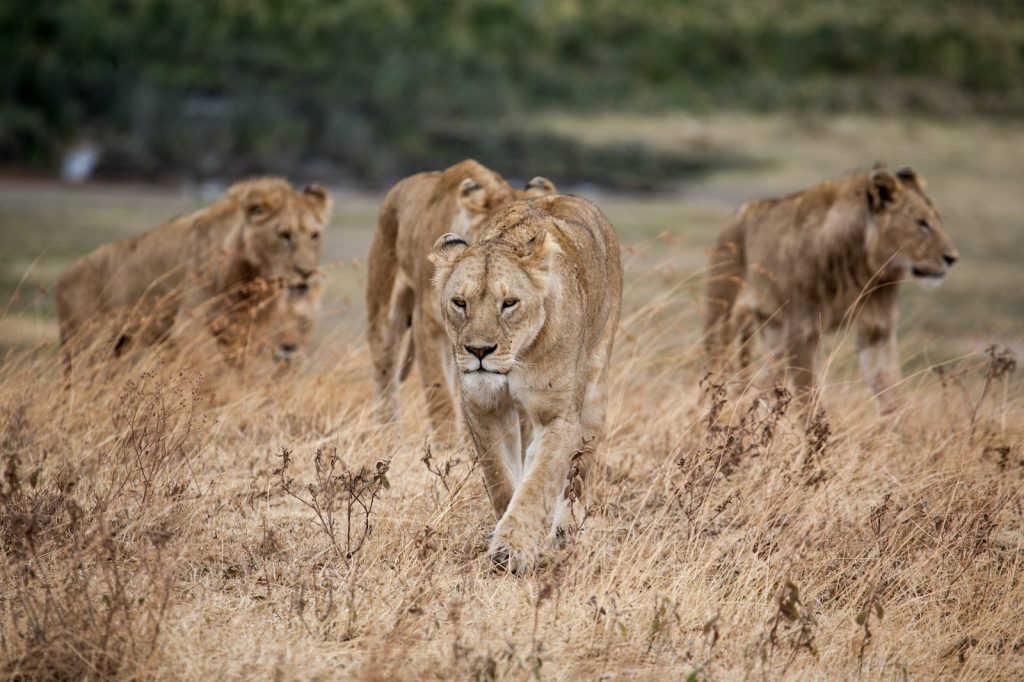
Khwai is one of northern Botswana’s most predator-rich regions. Guides working the concession regularly report African wild dog packs, along with lions and leopards. Leopard sightings are often good through the year, particularly in the riverine forest strips along the magnificent Khwai River.
Key species on game drives:
| Category | Species |
|---|---|
| Big cats and predators | Lion, leopard, spotted hyena, cheetah, African wild dog |
| Large herbivores | Elephant (large herds), Cape buffalo, giraffe, hippo, impala, red lechwe, kudu, plus occasional roan and sable antelope |
| Smaller highlights | Honey badger, serval, side-striped and black-backed jackal, otter near backwaters |
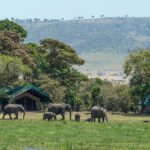
Several of the Big Five can be seen in the Khwai area, although rhinoceros sightings are very rare. Large herds of elephant and buffalo gather at remaining pools in the dry season. Watching wild dogs hunting on the open floodplains at dawn, or lions sheltering under riverine forest shade in the midday heat, are typical Khwai moments.
Khwai is also exceptional for birders, with hundreds of recorded species. Fish eagles, saddle-billed storks, herons, egrets, bee-eaters, and kingfishers are common. The rainy season, roughly November to March, draws migratory species and peaks for waterbird diversity. A healthy population of raptors patrols the floodplains year-round.
Nocturnal species such as civets, genets, springhares, and bushbabies are best spotted on night drives after dinner.
Safari Activities: Game Drives, Mokoro Safaris and Walking
Khwai offers a wider activity range than most Botswana parks. Night drives and guided walking safaris are generally permitted in the community concession and private reserves, unlike nearby national parks.
Game drives: Morning and afternoon drives follow the Khwai River, cross open floodplains, and wind through mopane woodland. Night drives reveal nocturnal species that daytime visitors never see. Both lodge guests and mobile safari operators typically share vehicles, though private vehicle hire is sometimes available at extra cost.
Mokoro safaris: Mokoro safaris use the traditional dugout canoe on the Khwai River and side channels, usually when floodwaters arrive (roughly May to September, depending on levels). Local polers guide the trips, often from the Khwai community. Picture gliding past reed beds at eye level with herons and kingfishers.
Walking safaris: Some camps offer guided walks focusing on tracks, insects, and smaller creatures rather than close big-game approaches, and in Khwai they also allow tracking animals on foot. Walks are seasonal; ask your camp about guide availability, grass height, and current regulations.
Other activities: Photographic hides, sleep-outs or star beds, and boat excursions (when water levels and licensing permit) round out the options. Availability varies by camp and season.
Accommodation in and Around Khwai
Khwai supports a range of accommodation, from community campsites to luxury lodges, covering most budgets and travel styles.
Tented camps: Canvas tents on low decks, en suite bathrooms, river or lagoon views, shared lounges, and campfires overlooking the Khwai River, with some camps tucked beneath sycamore trees. Many camps include game drives and mokoro safaris in nightly rates, plus community or conservation fees.
Private reserve lodges: Luxury lodges offer larger rooms, plunge pools, and access to a wide area for off-road driving and walking. Rates are high in peak season and often include fly-in transfers from Maun. Independent travelers should compare packaged rates carefully and ask what is included. For budgeting, read our Botswana safari cost guide.
Community and budget options near Khwai village: Small guesthouses and community-run campsites appeal to self-drive travelers looking for good value. Facilities range from basic campsites with simple ablutions to comfortable en suite rooms. All need to be booked ahead, especially in the dry season.
Mobile and overland safaris: Several mobile operators base nights in Khwai, setting up temporary tented camps that move between Moremi, Khwai, Savuti, and Chobe. Check what is included (park fees, camping fees, community fees, and transfers) in each quote. Camps rebrand or rebuild, so confirm current names and opening dates.
How to Get to Khwai and Practical Planning Tips
Most travelers reach Khwai via Maun, either by light aircraft (roughly 30 minutes) or by 4×4 (several hours, depending on route and conditions).
Light aircraft access: Lodge packages often include seat-in-plane flights from Maun or Kasane to bush airstrips near Khwai. Luggage limits are typically around 20 kg per person in soft bags. Reconfirm exact allowances with your operator.
Self-drive routes: Common approaches run from Maun through Moremi (South Gate or North Gate) and on to Khwai village, or from Maun through Mababe on the eastern side. The area is known for rugged terrain that requires high-clearance vehicles. Deep sand in dry months and mud or flooding after rains demand a low-range 4×4, recovery gear, and up-to-date local advice. Self-drive is popular with adventurous travelers, but it should not be attempted without preparation.
Permits, fees, and rules: Travelers may need separate permits for Moremi Game Reserve, the Khwai Community Concession, and any private reserves they use. Fees change, so confirm all amounts, gate hours, and payment methods directly with DWNP, the community trust, or your booked camp before setting out.
Health and safety:
- Malaria prophylaxis is generally recommended, especially in wet months. Ask a medical professional.
- Travel insurance covering remote evacuation is essential.
- Carry enough drinking water, fuel, and recovery equipment on self-drives.
- Never walk unescorted outside designated safe areas in camp, and follow lodge safety briefings about hippo and elephant near the river.
Suggested Khwai Itineraries for Independent Travelers
Khwai fits both short Delta-focused safaris and longer overland routes linking Moremi, Savuti, and Chobe National Park. It also pairs well with the Okavango Delta. For a wider route plan, start with our Botswana safari guide.
Three to four nights in Khwai: Fly in or drive to one camp on the Khwai River. Mix morning and afternoon game drives, a mokoro safari when water permits, and one community visit. This suits first-time Botswana visitors who want intense wildlife without moving camp.
Seven to ten nights across northern Botswana: Maun to Moremi Game Reserve (two to three nights), then Khwai (two to three nights), on to Savuti in Chobe National Park (two nights), and finish at the Chobe Riverfront before flying out from Kasane. Self-drivers need advance campsite bookings and DWNP permits for this route.
Green-season trip: Visit in March or April for four to five nights. Fewer visitors means very few other vehicles on the floodplains. Focus on predators with young, dramatic thunderstorms, and birding. Roads are challenging, so guided safaris are safer and more productive than self-drive at this time.
Check the latest road and flood conditions with camps or operators before you lock in dates. In some years, high floods affect routes between Moremi and Khwai well into April.
FAQ
Is Khwai suitable for a first-time safari in Botswana?
Khwai is well suited to first-time visitors. Reliable game viewing along the river, a good chance of seeing big cats and African wild dogs, and a broad mix of activities give newcomers a complete safari experience. Those new to Africa will find a hosted lodge stay or mobile safari easier than self-driving, particularly in the rainy season.
What is the difference between Khwai and Moremi Game Reserve?
Moremi is a formally protected reserve with stricter rules, generally no night drives, no off-road driving, and daytime driving on established roads. Khwai’s community and private concessions typically allow night drives, off-road game viewing, and walking safaris. Many travelers combine both in one trip.
Can I self-drive and camp in the Khwai Community Concession?
Experienced 4×4 travelers do self-drive into Khwai and use community or private campsites, but spaces are limited and must be reserved well in advance. Be fully self-sufficient, have solid sand and mud driving skills, and confirm bookings, fees, and conditions with the community trust and DWNP before departure.
When is the best time to see African wild dogs in Khwai?
Wild dogs are present for much of the year, but sightings often peak in the dry season (roughly June to September) when vegetation is lower and packs are denning or hunting close to the river. Wild dog movements are unpredictable and no sighting can be guaranteed.
How many nights should I spend in Khwai?
A minimum of three nights lets you settle into the rhythm of morning and afternoon game drives. Four to five nights is ideal for photographers or travelers who want slower days with mokoro or walking time. If combining Khwai with Moremi or Chobe National Park, divide a week between two or three camps to explore different habitats.