
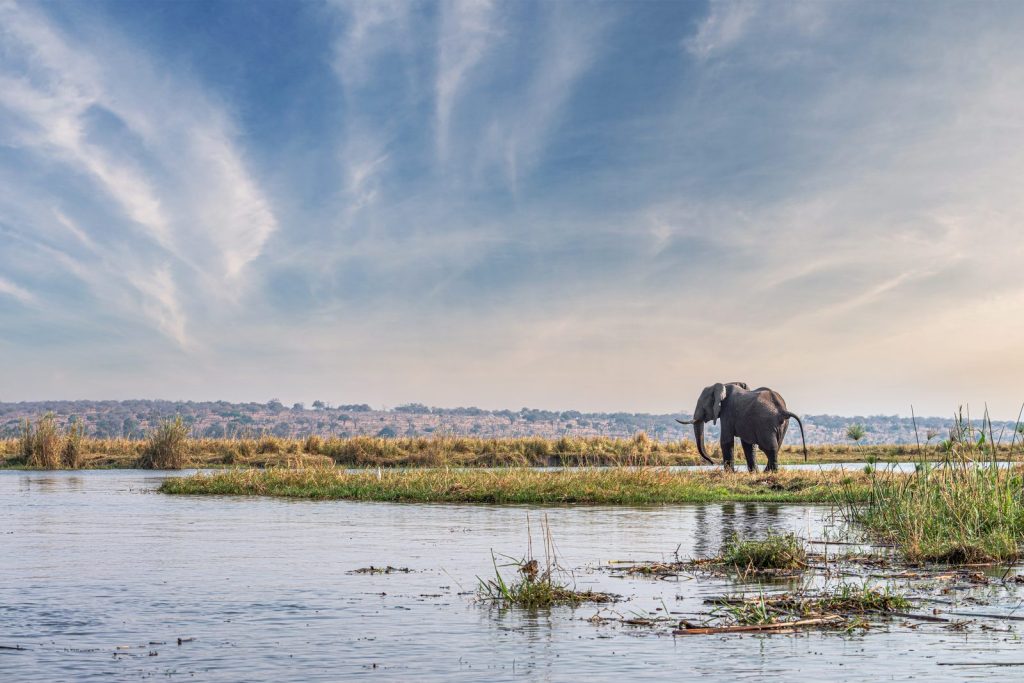
Botswana weather by month follows two clear patterns: a wet, hot green season from about November to April with afternoon thunderstorms, and a dry season from about May to October with clear skies, low humidity and cooler temperatures. Botswana is in the southern hemisphere, so winter falls in June and July and summer peaks around January and February.
Those changes affect wildlife viewing, comfort, road conditions and packing. This guide walks through the seasons, each month, regional differences and how to choose the right time for your safari.
Key Takeaways
- Botswana has a semi-arid climate with low humidity for much of the year. The rains arrive mostly between about November and April.
- Wildlife viewing is generally best from about June to October, when animals gather at permanent water and vegetation thins out.
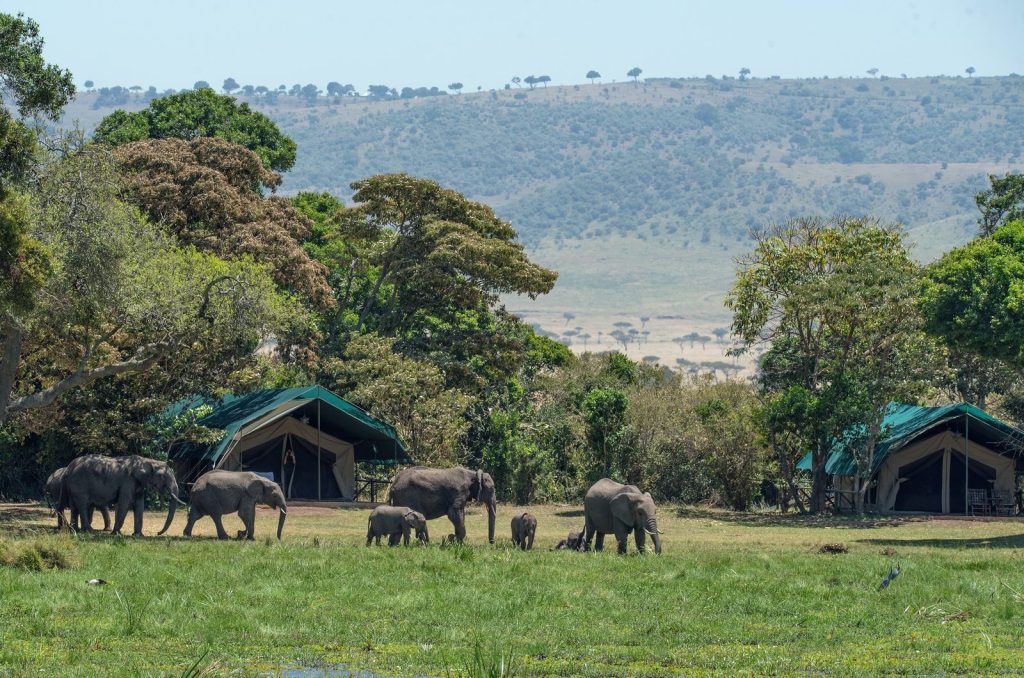
- The green season, roughly December to March, brings heat, storms, newborn animals and the best birding.
- Regions differ. The Kalahari swings between hot days and cold winter nights, while the Okavango Delta stays a little cooler near water.
- Shoulder months such as April, May and November can offer fewer crowds and lower rates. Always check current forecasts before you travel.
How Botswana’s Seasons Work
Botswana’s climate is shaped by the Kalahari, which covers much of the country, and by its place in southern Africa. Most rain falls in the wet season, leaving the dry months nearly rain-free.
In the dry season skies stay clear, humidity is low and weather is steady from day to day. In the wet season clouds build, humidity climbs and afternoons can bring heavy but short storms. The green season is the part of the wet season when landscapes turn lush, young animals appear and safari rates often drop.
Conditions are regional. The Okavango Delta holds more moisture, the north around Chobe and Linyanti tends to be wetter, and the Central Kalahari and the southwest are drier with bigger swings between day and night. Figures vary by source and by year, so treat the descriptions here as general patterns. For timing advice, see our guide to the best time to visit Botswana for safari.
Dry Season Overview: May to October
The dry season is winter in Botswana. Expect few clouds, almost no rain and bright, sunny days. The air feels crisp.
June, July and August are the core winter months. Early mornings can feel surprisingly cold, and nights can approach or drop below freezing in the Central Kalahari. By midday it warms comfortably. May, September and October bracket the winter with warmer afternoons.
Wildlife is easy to see because animals gather at permanent water and the vegetation is sparse. This is peak season for a Botswana safari.
Packing for the dry season:
- Fleece or light down jacket, warm hat and gloves for early game drives
- Long pants and neutral shirts for midday
- A buff or bandana for dust, especially in the later months
- Lens covers to protect camera gear from fine dust
Green Season Overview: November to April
Heat builds from November, humidity rises and clouds form most afternoons. Thunderstorms can drop heavy rain in under an hour. The wettest period is generally from about December to March.
This is the green season. Migrant birds arrive, many antelope give birth and predators follow the young. Birdwatching is generally best from about November to March. Rain often comes as short, intense storms rather than all-day drizzle, though wetter spells do occur.
Packing for the green season:
- Light, breathable, quick-dry clothing
- A packable rain jacket
- Wide-brimmed hat and strong sunscreen
- Insect repellent, since mosquito activity increases with the rains
Botswana Weather by Month: Quick Reference
| Month | Season | General feel | Safari highlight |
|---|---|---|---|
| January | Green | Hot, humid, stormy | Peak birding, predators near calving herds |
| February | Green | Sustained heat, heavy downpours possible | Birds and predators following young antelope |
| March | Green | Rain tapering, warm days, cooler nights | Lush landscapes, migratory shifts |
| April | Transition | Showers end, moderate temperatures | Fewer visitors, beautiful light |
| May | Dry | Comfortable days, cool nights | Game viewing improves as grasses thin |
| June | Dry | Cold mornings, sunny afternoons | Delta channels fill for mokoro and boat trips |
| July | Dry | Coldest month, dry and clear | Prime big game viewing |
| August | Dry | Dry, dusty, slightly warmer | Wildlife concentrated at permanent water |
| September | Dry | Hot afternoons, sparse vegetation | Excellent photography |
| October | Transition | Often the hottest month | Superb big game photography, physically demanding |
| November | Early green | First storms, bush greening | Landscape transforms with the first rains |
| December | Green | Hot days, rising humidity, frequent storms | Excellent birding, young animals |
January to April: The Wet Season
These summer months bring the most intense heat and rain, especially in the Okavango Delta, Chobe and the east.
January is typically the hottest and one of the wettest months. Afternoon thunderstorms roll in often, humidity is high, and bird breeding colonies are active.
February keeps the heat. Heavy downpours are possible, though most storms pass within an hour. Predators trail calving herds, which makes for intense encounters between storms.
March sees rain become less frequent. It stays warm, but nights begin to cool, and many migratory species start to move on.
April is a transition month. Showers taper, humidity eases and mornings turn cooler. The vegetation is still green but thinning, and visitor numbers and lodge rates often fall.
May to August: The Core Dry Season
May marks the shift. Daytime temperatures settle, the bush opens up as grasses dry and the first consistently cold nights arrive.
June brings some of the coldest mornings, especially in the Kalahari and on open pans. In the Okavango Delta, floodwater from rain that fell far upstream arrives months later, so channels fill and water-based safaris become possible. Our Okavango Delta guide explains the flood.
July is crisp, dry and sunny, and among the most reliable months for a safari. Big game concentrates around permanent water.
August is slightly warmer, often windy and dusty. Wildlife stays concentrated along the Okavango, Moremi, Chobe and Linyanti river systems.
September to December: Late Dry Into Early Rains
September is dry and warming. Vegetation is sparse, wildlife is easy to spot and dust increases. It is a great month for photography.
October is often the hottest month, and open game drives with little shade can be punishing, so hydration is critical. Wildlife is highly concentrated, which rewards photographers who can handle the heat.
November is a true transition. The first summer rains can green the bush within days, and many antelope begin calving. Rain is patchy, with dry mornings and an occasional late afternoon shower.
December brings the green season in full swing. Clouds thicken, days are hot and birding peaks.
Regional Variations: Delta, Chobe and Kalahari
Okavango Delta: Slightly cooler near water channels, with misty winter mornings and higher humidity in the rains. The flood generally peaks in the middle of the dry season, which shapes water-based safaris.
Chobe and Linyanti: Northern rivers draw elephants and other game as inland pans dry up. Summers are hot and humid, with dramatic storm clouds over the floodplains. See our Chobe National Park guide.
Central Kalahari and the southwest: Big temperature swings between day and night. Some of the coldest winter nights happen here, along with very hot summer days. When good rains arrive, the green season is especially dramatic.
Maun and gateway towns: Town conditions give a middle-ground picture, but parks can feel harsher, with colder nights, hotter days and more wind or dust.
Best Time to Visit by Interest
- Classic big game viewing: About June to October. June and July offer pleasant days and clear light, while August and September bring strong concentrations of herds and predators.
- Birdwatching and green landscapes: About December to March, when migrants, breeding colonies and dramatic skies peak.
- Avoiding crowds: Shoulder months such as April, May and November often balance value and decent conditions.
- Comfort: Heat-sensitive travelers may prefer June to August. If you dislike cold mornings, consider the late dry or early green season and accept hotter days.
Rates change with the season too. Our Botswana safari cost guide explains why.
What to Pack for Each Season
Dry season: Warm layers, long-sleeve base layers, a hat and gloves for open-vehicle drives, a scarf or buff for dust and neutral clothing for the day.
Green season: Breathable, moisture-wicking fabrics, a light rain jacket, quick-dry socks and sandals that handle mud, plus a wide-brimmed hat and repellent. If you are traveling in the wetter months, read our malaria and health guide.
Year-round: Strong sunscreen, polarized sunglasses, a small daypack and dry bags for electronics on boats or during storms. Check forecasts for Maun, Kasane or Ghanzi shortly before departure, because year-to-year variation in the timing of the rains is normal.
FAQ
Is Botswana very humid in the rainy season?
Humidity rises in the wet months, but Botswana is landlocked and semi-arid, so it is generally less muggy than coastal parts of southern Africa. Afternoon storms and breezes often bring relief, and nights are usually more comfortable than the hottest part of the day.
Can it really get cold on safari in Botswana?
Yes. Winter mornings in June and July can feel surprisingly cold in an open vehicle. Many camps provide blankets or hot water bottles, but a warm layer and hat make a big difference.
Does rain ruin game viewing in the green season?
Heavy rain can reduce visibility and make tracks muddy, but storms are often brief and wildlife carries on between showers. Newborn animals, migrant birds and dramatic skies are highlights of the rainy months.
How predictable are the seasons?
The broad pattern is reliable, but the start and end of the rains can shift by several weeks and storm intensity varies by year. Stay flexible and get current local advice just before you go.
Is travel possible during the heaviest rains?
Lodges and operators run safaris throughout the green season, but some remote tracks can become difficult or temporarily closed. Allow for itinerary adjustments and trust your guides and pilots on safe routes. For more on staying safe, read our Botswana safety guide.