

Botswana is one of the most rewarding safari destinations in southern Africa, but if you are planning a trip you probably want to know what the real risks look like on the ground. This guide covers crime, roads, wildlife, health and weather so you can visit with confidence.
Key Takeaways
- Botswana is widely seen as one of the safer African countries for safari travel, with stable politics and a long-established tourism industry.
- The biggest risks are practical: road hazards, wildlife in unfenced areas, malaria in the north and the remoteness of safari regions.
- Popular areas such as the Okavango Delta, Chobe and Moremi are generally safe with reputable operators who follow clear safety protocols.
- Prepare for malaria risk in the north, limited medical facilities outside major towns and seasonal weather swings.
- With planning and basic awareness, Botswana works for families, solo travelers and first-time safari goers.
Is Botswana Safe to Visit Right Now?
Botswana has stable democratic politics, no recent history of terrorism and a mature tourism industry. Government travel advisories tend to urge normal or increased caution, mostly because of crime in cities rather than political instability.
Most visitors on northern safari itineraries covering the Okavango Delta, Chobe and Moremi have no incidents beyond minor inconveniences. Conditions can change, so read the latest advice from your home government in the weeks before you travel.
Crime and Personal Security
Crime exists in Botswana, mainly in urban areas such as Gaborone and Francistown. Most tourists who are affected experience petty theft rather than violent crime directed at foreigners.
Common incidents include:
- Pickpocketing and bag snatching in markets, bus stations and crowded areas
- Vehicle break-ins near bars, restaurants and tourist parking
- Opportunistic theft around ATMs
- Baggage theft at airports and bus stations
Keep car doors locked and windows up in cities, and avoid showing cash, cameras or phones. Use licensed taxis, ask your accommodation which companies to trust, and avoid walking alone after dark in quiet or poorly lit areas. Agree on fares in advance where there are no meters and decline unsolicited help at ATMs and border posts.
If you are a victim of theft, report it to the nearest police station and ask for a report for your insurance claim.
Road Safety and Self-Drive Risks
For many visitors, the road is a bigger risk than crime. Main highways are generally paved, but rural roads can be narrow, unlit and lightly signed. Livestock and wild animals, including elephants, wander onto roads, especially at night and near park boundaries.
- Avoid driving after dark outside towns.
- Check the posted speed limits and drive well below them on unfamiliar stretches.
- In the rainy season, unpaved tracks can become muddy or impassable.
- Check whether you need an international driving permit before renting a vehicle. Traffic drives on the left.
For remote self-drives, carry water, food, a spare tire, basic tools and a charged phone, and tell someone your route. If you are inexperienced with sand or 4×4 driving, book a guided safari instead. Getting stuck in deep sand is common and recovery can take hours. Our safari travel tips cover more on preparing.
Staying Safe on a Botswana Safari
Professionally run safari operations have strong safety records. Guides are trained in wildlife behavior and emergency response, and lodges give safety briefings on arrival. Most problems happen when visitors ignore instructions or get too close to animals.
- Stay in the vehicle unless your guide says it is safe to get out.
- Keep noise down and stay seated near animals.
- Never feed or provoke wildlife.
- Follow park rules and ranger advice.
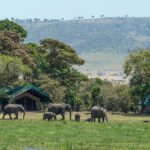
Many camps in the Okavango Delta, Moremi and Linyanti are unfenced, so animals can walk through camp at any time. Guests are usually escorted to their rooms after dark and should never walk alone at night. On mokoro or boat trips, keep your limbs inside the vessel and listen carefully to the briefing about hippos and crocodiles. Tell your operator about any medical conditions before arrival. See our Okavango Delta guide and Chobe guide for what each area is like.
Health, Malaria and Medical Facilities
Health planning matters more than most safety topics in Botswana. The main concerns are malaria, mosquito-borne illness, food and water safety and limited health care in remote areas.
Malaria: Northern Botswana, including the Okavango Delta and Chobe, carries malaria risk, which is generally higher in the wetter months. Talk to a travel clinic several weeks before departure about prevention. Our vaccinations and malaria guide has more.
Mosquito protection: Use repellent, wear long sleeves and pants after dusk and choose accommodation with nets or screens.
Food and water: Tap water is treated in larger towns, but many travelers prefer bottled or filtered water, especially in rural areas. Eat freshly cooked food and be careful with raw produce.
Medical care: Good private care exists in major towns, but advanced facilities are scarce outside them. Travel insurance that explicitly covers emergency medical evacuation is essential. Bring a personal medical kit and check that your prescription medicines are allowed into Botswana.
Weather, Rainy Season and Flooding
Botswana has a semi-arid climate with hot summers and a rainy season that generally runs from about November to March. Intense storms can cause localized flooding and turn unpaved roads into mud, particularly around the Okavango Delta and Chobe. Flooding can temporarily isolate remote camps, so build buffer days into your itinerary and watch forecasts before and during your trip.
Heat and sun are year-round concerns, especially in the Kalahari. Carry water, wear sun protection and pace yourself on walking safaris. For month-by-month detail, see our Botswana weather by month guide.
Local Laws, Customs and What Not to Do
Drugs: Illegal drug offenses carry severe penalties. Never carry packages for strangers.
Wildlife laws: Botswana enforces strict wildlife protection. Do not buy, sell or transport products from protected animals such as ivory or horn, and check export rules for any craft you buy.
Photography: Do not photograph military or government installations, and ask permission before photographing people.
Customs: Dress modestly in towns and villages, avoid public intoxication and carry photo identification or a copy of your passport. Check official sources for current entry rules, including our Botswana visa guide.
Wildlife Encounters, Water and Stray Animals
Wildlife areas are often unfenced, and the animals that make a safari unforgettable can be dangerous if not respected. Stay on established tracks, ideally with an experienced guide, and keep a safe distance.
- Do not swim in rivers or lakes because of wildlife and waterborne disease risks.
- Stay back from the water’s edge in hippo and crocodile country.
- Do not walk outside camp at night without a staff escort.
- Never feed baboons or monkeys.
Stray dogs are present in some towns, and rabies exists in the region. Do not pet or feed unfamiliar animals. If you are bitten or scratched, wash the wound and seek medical care immediately.
Is Botswana Safe for Families, Solo Travelers and Other Groups?
Families: Many lodges welcome children, but minimum ages for activities vary, and unfenced camps need constant supervision.
Solo travelers: Botswana is considered one of the better African countries for solo travel, especially on group safaris or at established lodges. Read our solo travel guide for routes and tips.
Solo female travelers: Many women travel Botswana alone and report feeling comfortable on guided trips. Avoid walking alone at night, use trusted taxis and ask lodge staff for local advice.
LGBT+ travelers: Social attitudes can be conservative, particularly in rural areas, so check current guidance from LGBT+ travel resources before you go.
Older travelers or those with health conditions: Consider fly-in transfers to cut long road drives and ask about evacuation arrangements.
Planning a Safe Botswana Safari
Good planning is your best safety tool. Book with licensed operators who can explain their emergency procedures, vehicle maintenance and communication systems. Build buffer days into your itinerary for flight delays and road problems. Make sure your insurance covers trip interruption, medical treatment, evacuation and gear. Keep paper and digital copies of your passport and policy, and share your plans with someone at home. Start with our Botswana safari guide to choose a region.
Frequently Asked Questions
Is Botswana safer than other African countries for tourists?
It is widely regarded as one of the safer ones, thanks to political stability and a tourism model built around small, well-run camps. Still, general rankings do not replace on-the-ground caution.
Is it safe to drink tap water in Botswana?
Tap water in major cities is treated and generally considered fine. In rural areas and on mobile safaris, most travelers stick to bottled, boiled or filtered water. Lodges will tell you what is safe.
Can I safely visit during the rainy season?
Yes, with planning. The green season offers lush scenery and great birding, but roads can be muddy, floods can interrupt travel and mosquito activity rises. Book with experienced operators and stay flexible.
How reliable are medical evacuations from remote areas?
Reputable operators arrange air evacuations when needed, but response times depend on distance and weather. Make sure your insurance explicitly covers evacuation from remote locations and ask your operator about their procedures.
Are stray dogs dangerous?
Most avoid contact if ignored, but because rabies exists in the region you should not pet or feed them. Seek medical attention quickly after any bite or scratch.