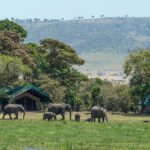


Botswana is one of those destinations that sounds like a dream until you realize you can pull it off on your own. Whether you have been picturing elephants crossing the Chobe River or a mokoro canoe gliding through lily pads, solo travel in Botswana is possible and genuinely rewarding. Here is how to plan it.
Key Takeaways
- Botswana is widely regarded as one of the safer countries in Africa for solo travelers, with guided safari operations throughout.
- A 7 to 10 day trip can combine the Okavango Delta, Chobe National Park, the Makgadikgadi Pans and Victoria Falls.
- Small group departures and lodges with low or no single supplement keep costs manageable.
- The dry season from May to October is best for wildlife viewing, while the green season brings quieter parks and lower rates.
- Guided activities, pre-booked transfers and sensible habits make solo travel manageable for first timers.
Botswana Works Well for Solo Travel
Is Botswana good for solo travel? Yes, and it is hard to find a stronger candidate in Southern Africa. The country has a reputation for stability and a welcoming culture. Its tourism model favors low-impact, high-value safaris, so camps are small and the wilderness feels uncrowded. You can spend an entire game drive without seeing another vehicle.
English is an official language alongside Setswana, so talking with guides and camp staff is easy. Most safari camps are fully hosted, meaning meals, game drives, mokoro rides and transfers are bundled into your stay. That removes a lot of logistics for someone traveling alone.
Best Time to Visit Botswana as a Solo Traveler
Botswana is a year-round destination, but solo travelers should choose timing based on budget, wildlife priorities and comfort with weather. Our guide to the best time to visit Botswana for safari goes deeper.
Dry season (May to October): Animals concentrate around rivers and waterholes, which makes wildlife viewing easier. Mornings and evenings are cool, though late dry season afternoons can get hot. Floodwater reaches the Okavango Delta in the dry season, which creates prime conditions for mokoro and boat trips. Expect high season rates.
Green season (November to April): Afternoon storms bring lush scenery, newborn animals and excellent birding. Parks are quieter and rates are often lower. Some roads can become difficult and some airstrips may close temporarily.
Shoulder months: April and November offer a mix of decent game viewing and lower prices.
Solo Itineraries: How to Structure Your Botswana Trip
A 7 to 10 day itinerary suits a first solo safari. Spend two to three nights in each area to settle in, enjoy several game drives and avoid constant packing.
Classic Delta, Chobe and Victoria Falls route:
- Fly into Maun, the gateway to the Okavango Delta.
- Spend two to three nights in the Delta for mokoro rides, boat trips and day and night game drives.
- Move to Moremi Game Reserve or the Khwai area for two nights of predator viewing.
- Transfer to Chobe National Park for two nights of river cruises and land safaris near Kasane.
- Finish with a night or two at Victoria Falls for a change of pace.
Adventure alternative: Swap Moremi for the Makgadikgadi Pans and add quad biking, meerkat encounters and a night under the stars on the salt flats.
Light aircraft fly-in safaris link remote camps and spare you long drives on rough roads. They cost more, but they are appealing for single travelers who want to reach deep bush without driving. Mixing a few nights on a mobile camping safari with a few nights in a comfortable lodge gives you both adventure and rest.
Best Places in Botswana for Solo Travelers
Okavango Delta: The star of any Botswana safari and a UNESCO World Heritage site. Mokoro rides put you at eye level with hippos, buffalo and birdlife. Read more in our Okavango Delta guide.
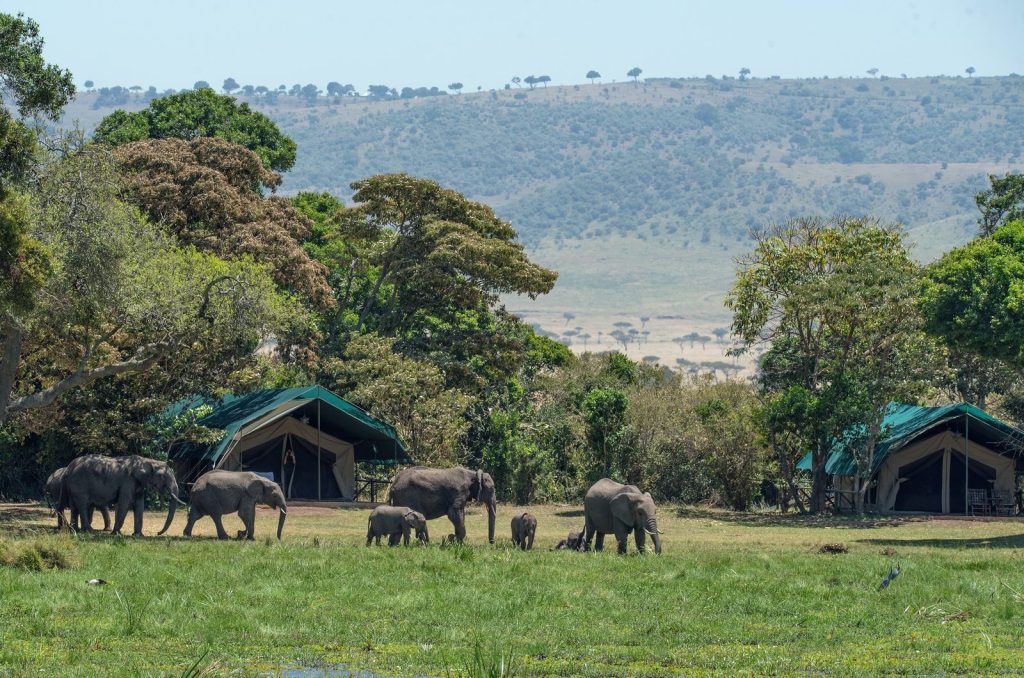
Chobe National Park: Large elephant herds gather along the river, and Kasane makes a handy base. River cruises are social, so they are an easy way to meet other travelers. See our Chobe National Park guide.
Makgadikgadi Pans: Vast salt flats that offer solitude and a landscape made for reflection. Walk with habituated meerkats and sleep far from any light pollution.
Moremi and Khwai: Strong predator viewing. Small camps use communal dining tables, which suits solo travelers who want to feel part of the group.
Central Kalahari Game Reserve: Remote and wild. It suits experienced travelers on guided trips rather than first-time self-drivers.
Combining Botswana With Victoria Falls
Many solo travelers add Victoria Falls before or after the safari for variety. From Kasane, a road transfer reaches Victoria Falls town in Zimbabwe or Livingstone in Zambia. Activities include a guided tour of the falls, a sunset Zambezi cruise and a helicopter flight. The area has cafes, markets and bars, which gives solo travelers extra chances to meet people after weeks in the bush.
Check current visa requirements, entry fees and border rules for Zimbabwe and Zambia on official government sites before you finalize plans. For Botswana itself, see our Botswana visa guide.
Single Supplements and How to Save Money Traveling Solo
Botswana is an expensive destination, so budget carefully. Most lodges price per person sharing a room. When one person takes a room alone, the lodge charges a single supplement to cover the lost revenue. The amount varies a great deal between camps and seasons, so ask each operator directly.
Ways to reduce the cost:
- Look for set-date small group departures where solo travelers share vehicles and guides.
- Ask operators about periods with no single supplement, which are often offered in the green season.
- Offer to share a room with a same-sex traveler.
- Choose mobile camping safaris over ultra-luxury lodges.
- Book several nights with one operator for better package value.
Prices, inclusions and supplement policies change often. Confirm current costs directly with camps and operators before paying a deposit. Our Botswana safari cost guide explains what drives the price.
Safety and Practical Tips for Solo Travelers
Guided safaris add a layer of security, but traveling alone in Botswana still calls for preparation because many areas are remote.
In camp and on safari:
- Follow your guide’s instructions at all times.
- Do not walk alone at night in unfenced camps. Staff will escort you.
- Keep tents zipped and never approach wildlife on foot unless you are on an official walking safari.
In towns and transit:
- Gaborone and Maun are generally fine, but petty theft can happen.
- Avoid walking alone after dark and use registered taxis.
- Keep valuables out of sight and use hotel safes.
Self-driving: Remote areas need a high-clearance 4WD, confident navigation, recovery gear and a way to call for help, because mobile coverage is patchy or absent in the reserves. If you are not comfortable on rough tracks, choose guided or group trips.
Before departure, check health advice, travel insurance and entry requirements with official sources. More ideas are in our safari travel tips.
Solo-Friendly Accommodation and Group Tours
Small tented camps with communal dining tables, shared game vehicles and nightly campfires help solo travelers meet other guests. Organized group safaris, including mobile camping trips on set dates, provide built-in company and logistical backup. When you browse trips, look for the words “small group” or “no single supplement” and ask how many solo travelers usually join each departure.
If you want more independence, book a private guiding day within a larger lodge stay while still sharing meals and campfire time with other guests.
What to Pack for a Botswana Safari
Clothing: Neutral, breathable layers in khaki, olive or brown. Add a warm fleece for cool mornings and evenings in the dry winter months.
- Headlamp and power bank
- Universal adapter and binoculars
- Wide-brimmed hat, sunscreen and insect repellent
- Soft duffel bag, because hard suitcases often do not fit on light aircraft
Carry passport copies stored separately from your passport, insurance details and emergency contacts. Confirm baggage weight limits for internal flights with your operator a few weeks before you leave.
FAQ
Is Botswana good for a first-time solo safari?
Yes. Most experiences are guided, logistics are usually bundled, and camps are used to hosting solo travelers. The Okavango Delta, Chobe and Khwai have well-established operations and experienced guides.
How many days should a solo traveler spend in Botswana?
Five to seven days works for a focused visit, with two to three nights per region. Eight to ten days lets you combine the Delta, Chobe and Victoria Falls without rushing.
Can I travel solo in Botswana without joining a tour?
You can self-drive and book lodges directly, but it takes strong 4WD skills, navigation and careful planning around fuel, food and park bookings. Most solo travelers are happier booking guided activities at each stop or joining a small group.
Do I need to worry about malaria?
Parts of northern Botswana, including the Okavango Delta and Chobe region, can carry malaria, especially in the wetter months. See a doctor or travel clinic well before departure and follow official health guidance.
Is Botswana suitable for solo female travelers?
Many women travel solo in Botswana and feel comfortable in lodges, camps and on guided activities. Use the same common-sense precautions you would anywhere, choose reputable operators and consider a small group safari if you want company from the start. For more on safety, read our guide on whether Botswana is safe.