

Kasane is a small town in the far northeast of Botswana that delivers world-class wildlife without forcing you into a fly-in-only itinerary or a rigid group tour. It sits where the Chobe River meets the borders of four countries, and it is the most popular access point for Chobe National Park. It works just as well for independent travelers as for those booking all-inclusive lodges. Its strategic location, at the meeting point where four countries meet, gives travelers seeking natural beauty and close wildlife encounters an easy base. Here is what you need to plan your time there.
Key Takeaways
- Kasane sits on the south bank of the Chobe River at Botswana’s northern tip, close to where Botswana, Namibia, Zambia, and Zimbabwe meet.
- The town is the main base for Chobe National Park, with boat cruises on the Chobe River and game drives along the riverfront. The park is often said to hold more than 50,000 elephants.
- Victoria Falls is roughly 70 to 80 kilometers away by road, so Kasane works well for day trips to one of southern Africa’s great natural wonders.
- Accommodation runs from riverside lodges to guesthouses, campsites, and dorm-style options for budget travelers.
- This guide covers when to go, how to get there, safety around wildlife in town, and the Kasane tours you can arrange independently.
Kasane Sits at a Four-Country Crossroads
Kasane is in the far northeastern corner of Botswana, where the Chobe and Zambezi rivers mark the edges of Namibia, Zambia, and Zimbabwe. The town lies on the south bank of the Chobe River in the subtropical wildlife belt that makes this part of Africa so productive for safari. That position makes it both a safari hub and a cross-border transit point.
The main attraction is Chobe National Park, whose gate is only a few kilometers from the town center, so you can be watching elephants soon after leaving your lodge. Victoria Falls lies a short drive east via the Kazungula crossing, which makes Kasane a natural twin-center base. Many travelers pair a wildlife safari with the falls without needing extra flights.
Kasane stays compact and walkable, and it is commonly said to welcome more than 100,000 visitors a year. Wildlife turns up in the streets: warthogs root through vacant lots, baboons patrol rooftops, and the occasional elephant wanders near the river’s edge. The main strip holds shops, banks, and restaurants, and river views at sunset are reason enough to linger.
A Short History Explains the Town’s Character
The name Kasane is often translated as hardwood in the local Chikuhane language, a reference to trees along the riverbanks. The area has long been home to the Subiya people, and you will hear Setswana, Subiya, and English in the shops and on the river. Since about 1921, Kasane has been the administrative center of the Chobe District, and the national park was proclaimed in 1968, which turned a quiet river settlement into a safari town.
The town also drew international attention in 1975, when a famous Hollywood couple chose this area for their second wedding. A historic baobab behind the police station, said to have once served as a local prison, is a curiosity, and a riverside cemetery draws curious walkers.
Chobe National Park Is Kasane’s Wild Backyard
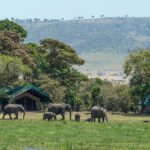
Chobe was Botswana’s first national park and is one of Africa’s top elephant strongholds. The Chobe Riverfront section closest to Kasane is where the action concentrates in the dry season. Floodplains and riverine forest pull in large herds of elephants and buffalo, along with hippos, crocodiles, lions, occasional leopards, and numerous antelope species.
Game drives from Kasane typically leave at dawn and again in the afternoon, and last two to four hours. Open 4×4 vehicles with local guides are standard. Self-drive is possible for experienced travelers, but tracks can be sandy or muddy depending on the season. Confirm current conditions, fees, and gate hours with DWNP or your lodge before heading in.
Interior zones such as Savuti and Linyanti are further away and are usually reached on multi-day safaris or by light aircraft, not as day trips from Kasane.
Chobe River Cruises Show Wildlife a Vehicle Cannot
The river sets Kasane apart from most safari towns. Wide channels, islands, and large herds coming to drink make it a wildlife theater, especially on dry-season afternoons.
River safaris and boat safaris usually run about three hours, in the morning or at sunset. Larger double-deck boats carry many travelers, while smaller photographic boats sit lower for closer views. Chobe River cruises offer views of hippos and crocodiles that a vehicle cannot match, and elephants swim between islands. Kasane also offers excellent birdwatching, with over 450 recorded bird species including kingfishers, African fish eagles, and many waterbirds.
Many operators combine a morning game drive with an afternoon river cruise or afternoon game drives, giving you two very different views of the same ecosystem. Bring a light jacket for the breeze, sun protection, and a camera with a decent zoom. Confirm what drinks and snacks are included when you book.
Kasane Has Lodging for Every Budget
Kasane offers various accommodation options, including hotels and lodges. Riverside lodges such as Chobe Safari Lodge and Chobe Marina Lodge (confirm current offerings) have pools, bars, and on-site cruises and game drives. Luxury safari lodges along the Chobe River often bundle park fees, transfers, and activities into the nightly rate. Guesthouses and smaller lodges set back from the river tend to offer better value and quieter stays, and backpacker dorms and campsites serve shoestring travelers.
Camping near the river or forest edges means real wildlife. Warthogs, baboons, and sometimes an elephant or hippo may wander through, so follow camp safety rules seriously. Rates vary a great deal by season and style, so compare current quotes. Book well ahead for the dry-season months, roughly June to October, and check what is included in any bundled activity package.
Kasane Activities Go Beyond Game Drives
Most travelers spend two to three nights in Kasane, enough for both river and land-based wildlife viewing plus one regional day trip. Plan at least two game drives: early mornings tend to favor predator activity, while afternoons bring large herds to the river.
Operators also offer a solid menu of extras:
- Fishing safaris for tigerfish and bream on the Chobe and Zambezi systems, often catch-and-release.
- Birdwatching, with hundreds of species recorded in the area.
- Guided game drives and walking safaris in the nearby Chobe Forest Reserve for a quieter, foot-level perspective.
- The CARACAL Biodiversity Center, which focuses on wildlife rescue and education and is worth a visit if you have a free morning.
- Cultural tours, including local heritage experiences; Kasane also hosts the annual Chobe River Festival celebrating local culture.
Many lodges can tailor multi-activity days. Ask upfront whether park and conservation fees are included.
Victoria Falls Is an Easy Day Trip From Kasane
Kasane is a gateway for day trips to Victoria Falls. The classic day trip works like this: early pickup in Kasane, a drive via Kazungula into Zimbabwe or Zambia, several hours at the falls on foot, optional activities such as helicopter flights or rafting, then a return by evening. The border crossing can add time because queues and visa checks are often part of the process. You can choose the Zimbabwean side, around Victoria Falls town, or the Zambian side near Livingstone. Our Victoria Falls guide covers both.
Check visa requirements and fees in advance, since they depend on your nationality and change over time. Zambezi National Park near Victoria Falls town is another option on the Zimbabwean side. Other add-ons include boat trips to Impalila Island in Namibia’s Caprivi Strip for birding and fishing. Day trips to the Okavango Delta from Kasane usually involve flights and are costly and complex, so treat the Delta as a separate leg of your trip.
Getting to Kasane and Getting Around
Kasane International Airport has regional flights from cities such as Gaborone, Maun, and Johannesburg. Most lodges arrange airport transfers, which are worth booking in advance. A tarred road links Kasane to central Botswana, so you do not need a 4×4 just to reach town, and the Kazungula Bridge has made road travel to Zambia smoother.
Inside town, walking between central lodges, shops, and restaurants is usually fine by day. For the park gate, outlying lodges, or any movement at night, use a pre-booked lodge vehicle or a local taxi. Self-drivers should keep the tank topped up and check cross-border paperwork for vehicles well in advance.
The Best Time to Visit Kasane Is the Dry Season
Kasane is a year-round destination, but wildlife viewing follows Botswana’s seasons.
| Season | Months | Conditions | Best for |
|---|---|---|---|
| Cool dry | May to July | Cool mornings, no rain | Comfortable game drives, good visibility |
| Hot dry | August to October | Very warm, wildlife concentrated at the river | Peak game viewing |
| Wet | November to March | Afternoon storms, green landscapes | Birding, fewer crowds |
| Transition | April | Drying out | Good value, quieter |
Many sources name June to November as the best time to visit Kasane, because wildlife gathers around water sources in the dry season and sightings along the river are reliable. Wildlife viewing is optimal during the dry season. August and September are peak months for visitors, so book beds and transfers early. For more on timing across the country, read our guide to the best time to visit Botswana for safari.
For a first visit, two to three nights is a good start. Photographers and keen birders may want four or five.
Kasane Is Generally Safe, but Wildlife Deserves Respect
Kasane is considered a safe destination for tourists. Crime rates are relatively low compared with urban centers in the region, and petty theft occurs but is uncommon. Wildlife poses a greater risk than crime: elephants, hippos, and occasionally lions can move close to town and campsites. Walk only in daylight in natural areas, never stand between a hippo and the water, and follow your lodge’s instructions. Avoid isolated areas at night, lock vehicles, and do not leave valuables unattended.
Pack strong sun protection, light neutral clothing, insect repellent, and personal medications. Talk to a medical professional about vaccinations and malaria precautions before you travel. Rules, park fees, and border requirements change, so confirm current details with DWNP, your lodge, or local operators. For a wider planning view, start with our Botswana safari guide.
FAQ
How many days do I need in Kasane for a first safari?
Two to three nights gives you time for at least two game drives, one or two river cruises, and possibly a Victoria Falls day trip. Serious birders and photographers may prefer four or five nights.
Can I visit Kasane without joining a big group tour?
Yes. Kasane suits independent travelers. You can fly in, arrange transfers and activities directly with lodges or local operators, and choose from guesthouses, lodges, or campsites to match your budget.
Is self-drive into Chobe National Park from Kasane realistic?
It is possible for confident 4×4 drivers who are comfortable with soft sand. Many visitors still prefer guided drives for local knowledge. Confirm road conditions and entry procedures with DWNP or your lodge first.
What about money and ATMs in Kasane?
The town has several banks with ATMs that usually accept major international cards. Carry some Botswana pula for taxis, tips, and small purchases, and ask your lodge which cards it accepts.
Do I need visas for cross-border day trips from Kasane?
Requirements depend on your nationality and the country you visit. Some travelers can use a regional univisa or buy visas on arrival, while others must arrange them ahead. Check current rules with official sources or your operator before you finalize a day trip. For budgeting the whole trip, see our Botswana safari cost guide.