
The best time to visit Victoria Falls depends on what matters most to you. February through May delivers raw power and full flood roar. June through August balances strong water flow with clear views and peak season safari conditions. September through November opens white water rafting and Devil’s Pool. Every season rewards a different kind of traveler.
Key Takeaways
Victoria Falls is easy to combine with a Botswana or Zimbabwe safari, and the Zimbabwe side usually offers the most dramatic views, since most of the falls’ frontage lies within Zimbabwe.
The best time to visit Victoria Falls depends on priorities: February through May for peak flow, June through August for views and safaris, September through November for white water rafting and Devil’s Pool.
Botswana-based safari itineraries often pair Vic Falls with Botswana’s Chobe National Park, Hwange National Park, and fly-in Okavango safaris.
Travelers can visit Victoria Falls in all seasons, with conditions changing between high-water, low-water, and the rainy season.
Both the Zimbabwe side and the Zambian side offer different ways to experience Victoria Falls, including the Victoria Falls Bridge, helicopter tours, and day trips into nearby national parks.
Victoria Falls rewards every kind of safari traveler
Victoria Falls sits on the Zambezi River, straddling the border between Zimbabwe and Zambia and offering distinct perspectives from both sides. Classified as a UNESCO World Heritage Site and often listed among the natural wonders of the world, the majestic Victoria Falls remains one of southern Africa’s most visited natural attractions.
The falls were known as Mosi-oa-Tunya, or the smoke that thunders, by local tribes long before Dr. David Livingstone first saw them in November 1855. Archaeological finds around the falls show that people have lived in this area for a very long time.
In peak months, Victoria Falls forms one of the world’s largest sheets of falling water, spanning roughly 1.7 kilometers wide according to UNESCO and plunging more than 100 meters into Batoka Gorge. The falls create a permanent column of mist that can be seen from miles away. This continuous spray supports a localized rainforest ecosystem along the gorge rim.
Most safari travelers visit Victoria Falls either before or after time in Botswana or Zimbabwe’s major parks, with regional flights connecting through Johannesburg and Cape Town. The falls slot neatly into first-time and repeat safari itineraries for couples, friends, and families alike.
Best time to visit Victoria Falls changes what you see
There is no single best time to visit Victoria Falls. The ideal window depends on whether travelers want maximum water cascading over the gorge, clear vantage points for photography, or access to adventure activities. Seasonal variations affect the water volume of Victoria Falls, shaping visibility and experiences throughout the year.
High-water season (February through July) brings the Zambezi River into full flood. The peak water flow typically occurs around April and May, when the awe-inspiring beauty of the falls is matched by thundering sound and drenching spray. Lunar rainbows occur during the high-water season, and the unique seasonal moonbows appear during full moon nights when water levels are high, creating an intimate connection between light and mist that few natural spectacles can match.
Transition months (June and July) keep substantial flow while reducing spray. Cool, dry weather makes walking trails comfortable. Photography improves with more defined rainbows and fewer clouds of water obscuring the gorge.
Low-water season (August through January) opens the clearest gorge views and unlocks epic adventure sports. White water rafting below the falls runs best in these months. Devil’s Pool on the Zambian side typically becomes accessible from late August to December. July and August are peak tourist months for safaris, so travelers who time a visit to align with wildlife viewing in Chobe National Park or Hwange National Park can combine both experiences efficiently.
The rainy season usually falls between November and March. Storms upstream influence how the present falls look several weeks later, as water takes time to travel downstream along the Zambezi, one of Africa’s longest rivers.
Water seasons at Victoria Falls shape every experience
Understanding water flow helps travelers decide when to book a helicopter tour, walk the trails, or plan river activities. Rather than memorizing rainfall tables, think about what you will see and feel in each window.
February through April: Towering spray, a roaring curtain of water, and paths soaked through create a rainforest feel on the Zimbabwe side. Cameras need protection. Views are dramatic but sometimes obscured.
May through July: Strong flow continues with improved photography conditions. Rainbows sharpen across the gorge. Fewer crowds appear outside of July’s peak season rush.
August through October: Exposed rock appears on the Zambian side, especially along the eastern cataract. The Zimbabwe side continues to pour water over Main Falls and Devil’s Cataract, creating dramatic contrast.
November through January: Early rains begin to raise the Zambezi River again. Mixed scenes of dry rock and building flow attract repeat visitors and photographers seeking variety.
Rising temperatures are making the Victoria Falls region hotter and drier over time. Water flow variability has increased in recent years, and drought years are becoming more frequent. Some conservationists suggest Victoria Falls may join other sites categorized as last-chance destinations, which makes visiting sooner rather than later a consideration for nature lovers.
The Zimbabwe side usually offers the most iconic views
Most classic postcard images of Victoria Falls are photographed from the Zimbabwe side. Victoria Falls National Park contains a series of named viewpoints stretching from Devil’s Cataract to Rainbow Falls. Most of the falls lie within Zimbabwe, giving this side a longer, more panoramic trail along the gorge.
Victoria Falls town is compact and walkable. Zimbabwe has more developed visitor facilities than Zambia, with lodges, guesthouses, restaurants, and family-friendly hotels clustered near the park entrance. The Victoria Falls Hotel opened in the early twentieth century to accommodate visitors, and the construction of the Victoria Falls Bridge in 1905 improved access to the area, linking the two countries.
Key experiences on the Zimbabwe side include the cliff-edge walking trail, multiple viewpoints of Main Falls and Devil’s Cataract, mist-soaked rainforest sections, and the path toward the falls bridge. Even in September and October, the Zimbabwe side generally holds more flowing water than the Zambian side, so travelers visiting late in the dry season still encounter a strong curtain of water.
Many sunset cruises and day trips depart from this side, including relaxed evening Zambezi cruises where hippos and crocodiles are regularly spotted. First-time visitors typically find the Zimbabwe side the most straightforward base for visiting Victoria Falls.
The Zambia side brings you closer to the edge
The Zambian side centers on the town of Livingstone and Mosi oa Tunya National Park. The experience here trades wide panoramas for closer, sometimes more visceral encounters with the gorge and the lip of the falls.
During high water, travelers can walk across Knife Edge Bridge to feel the spray full-on and see horseshoe rainbows arcing through mist. In the low-water months, the best time for swimming in Devil’s Pool is typically late August to December, when licensed operators guide small groups to a natural rock pool perched at the very edge. Zambia’s Livingstone Island offers unique views of the falls that no other vantage point replicates.
Lodges and camps upstream on the Zambia side often feel quieter. A river lodge with a private deck overlooking the Zambezi makes a gentle counterpoint to the busier Zimbabwe side. Canoe outings and boat cruises upstream add variety without crossing back over.
Border crossing formalities, visas, and park fees can change. Travelers should confirm current requirements with official government and park sources before crossing between sides.
Adventure activities turn Victoria Falls into an outdoor playground
Beyond viewpoints, Victoria Falls presents one of Africa’s premier adventure hubs. The region is often referred to as the Adventure Capital of Africa, and the area is a major tourist attraction with extensive infrastructure for adventure and sightseeing activities.
White water rafting below the falls is among the Zambezi’s most famous commercial runs, with big rapids, usually offered in lower-water months when conditions allow safe navigation through Batoka Gorge.
Bungee jumping from the Victoria Falls Bridge sends jumpers on a long drop toward the river. A bridge swing and gorge swing offer other ways to feel the gorge beneath you. Gorge swinging remains among the most heart-stopping adventure activities at Vic Falls.
Ziplines span the gorge, and adventure sports enthusiasts can combine one with the bridge swing for a full morning of adrenaline.
Helicopter flights and fixed-wing scenic tours run year-round. A helicopter tour in high water reveals mist rising in a towering column; in low water, the exposed rock and gorge structure become the star.
Gentler options include sunset cruises, canoeing above the falls, guided gorge walks near the Boiling Pot, and family-friendly zipline experiences. Walking safaris and guided tour options bring variety for those who prefer ground-level exploration. Age and weight limits vary by operator.
Wildlife and nearby parks make Vic Falls a natural safari hub
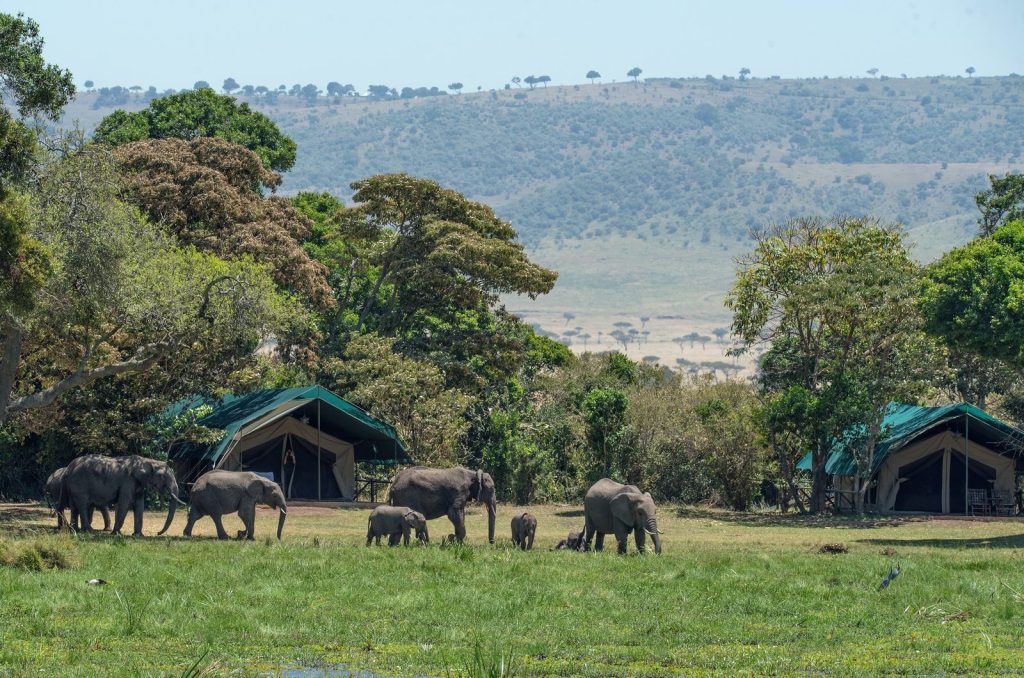
Victoria Falls sits at the crossroads of several important wildlife areas, connecting Botswana, Zimbabwe, and Zambia safaris. The surrounding area supports diverse wildlife including elephants, hippos, and crocodiles.
Zambezi National Park on the Zimbabwe side extends along the river upstream from the falls. Game drives and boat trips here regularly encounter elephants, buffalo, hippos, and migratory bird species.
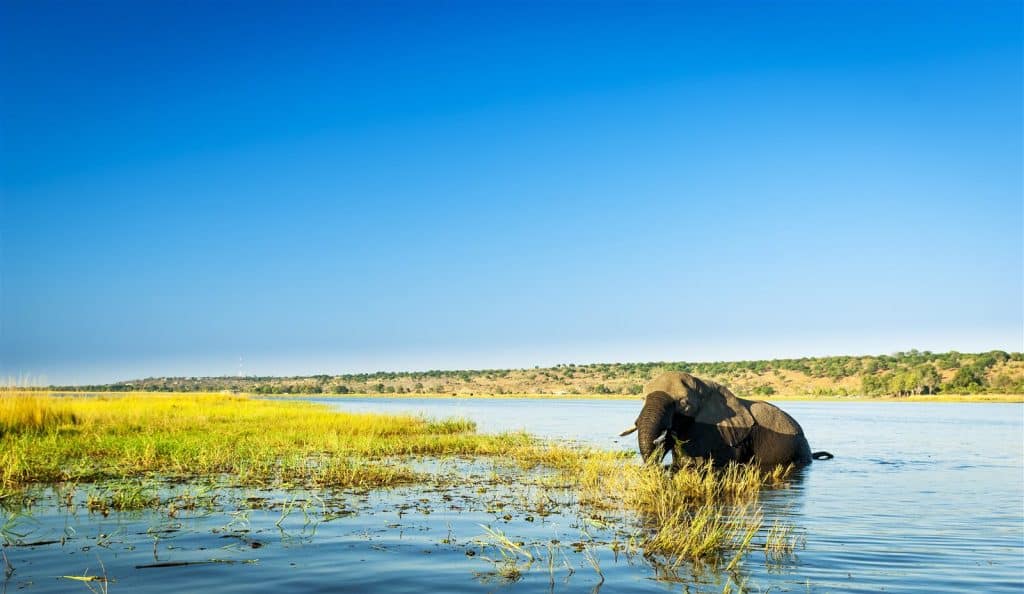
Chobe National Park in Botswana is a popular day trip from Victoria Falls or Livingstone. A road transfer of roughly 90 minutes to two hours reaches the Chobe riverfront, where boat-based elephant viewing is exceptional in the dry season. Many travelers pair two nights at the falls with three or four nights at Botswana’s Chobe National Park.
Hwange National Park in Zimbabwe, a few hours by road, offers big-game drives and seasonal elephant concentrations at waterholes across a very large area.
Mosi oa Tunya National Park on the Zambia side protects a small but important wildlife area including white rhino guarded by rangers, making wildlife viewing possible within minutes of the falls themselves. These two national parks on either side of the border add depth to any Victoria Falls tour.
Planning your stay: where to base yourself and how long to visit
Most first-time visitors should allow at least two or three nights at Victoria Falls to explore the waterfall and surrounding activities at an unhurried pace.
Victoria Falls town on the Zimbabwe side feels lively and walkable. Properties range from classic colonial-era hotels to modern lodges near the park entrance and the falls bridge. Victoria Falls plays an important role in the economies of both Zambia and Zimbabwe, and during peak season months like July and August, advance booking is essential.
Livingstone and the Zambia riverfront lodges create a more spread-out feel, with quieter upstream settings and private decks for sunset views.
Common patterns include:
2 nights Vic Falls plus 3 to 4 nights Chobe
3 nights Vic Falls plus 5 to 7 nights split between Hwange and the Okavango Delta
A single day trip across the falls bridge to see the opposite side
Book helicopter flights, Devil’s Pool, and prime dinner cruises in advance during peak season.
Combining Victoria Falls with Cape Town and wider Southern Africa
Many safari travelers link Victoria Falls with Cape Town, the Okavango Delta, or Namibia, using regional flights that connect through Johannesburg or other hubs.
A popular sequence starts with a city stay in Cape Town, followed by a flight to Victoria Falls for waterfall and Zambezi activities, then continues into Botswana or Zimbabwe for a multi-night safari. The raw power of the awe-inspiring Victoria Falls paired with the quiet of the bush creates variety that appeals to couples and families alike.
Seasonality differs between the Cape’s Mediterranean climate and the Victoria Falls region. Travelers should consider both rainfall and water levels when picking dates. Repeat visitors often use the falls as a familiar entry or exit point to southern Africa before heading into more remote reserves.
Practical tips for visiting Victoria Falls safely and smoothly
Conditions, entry fees, and visa rules change. Always double-check details with official government and park sources before departure.
Packing essentials for viewpoints:
Waterproof jacket or poncho during high water
Dry bag or camera cover to protect electronics
Non-slip shoes for misty, uneven trails
Spare shirt for after mist-heavy walks
Layers for chilly mornings in the dry season
Both Zimbabwe and Zambia require valid passports and, in many cases, visas. Some visitors can use the KAZA UniVisa when available. Confirm current eligibility on official government sites before your border crossing.
Malaria risk exists in the broader Zambezi region. Travelers should speak with medical professionals about prophylaxis, insect repellent, and protective clothing before visiting Victoria Falls.
Stay on marked paths, observe safety railings near the gorge, and follow instructions from guides during white water rafting, bridge swing adventures, and Devil’s Pool visits. Families with younger children should consider age-appropriate options such as short guided walks, gentler river cruises, local cultural visits, and supervised zipline tours.
Frequently asked questions about visiting Victoria Falls
How many days do I need to experience Victoria Falls properly?
Two full days usually covers main viewpoints, a sunset cruise, and one signature activity like a helicopter tour or white water rafting. This suits most first-time visitors.
Three nights are preferable for travelers combining both the Zimbabwe side and the Zambian side, or adding a Chobe or Zambezi National Park day trip. Longer stays of four to five nights work well when pairing the falls with downtime at a river lodge.
Can I visit both the Zimbabwe side and Zambia side in one day trip?
Many travelers cross the Victoria Falls Bridge to see both sides in a single day. Border hours, visa rules, and park fees need to be checked in advance with official sources.
A typical day trip involves a morning on one side’s viewpoints, lunch in town, and an afternoon walk or activity on the opposite side. Allow generous time for immigration formalities, especially during busier months, and always carry passports and required visas when crossing.
Is Victoria Falls suitable for young children and older travelers?
Many families and multigenerational groups visit Victoria Falls, choosing gentle walking routes, river cruises, and scenic flights rather than intense adventure sports. Paths can be wet and uneven, so sturdy footwear and close supervision near drop-offs are important in high-water months.
Ask lodges and tour operators about accessibility, vehicle steps, and activity age limits, which vary by company and season.
Do I need to book activities like helicopter tours and rafting in advance?
Pre-booking is recommended for high-demand experiences such as helicopter flights, prime sunset cruises, and white water rafting, especially for July and August or major holiday periods. Some travelers prefer to leave part of their schedule open for last-minute choices based on weather and water levels.
Safety-focused activities may be rescheduled or canceled if river conditions or storms make them unsafe. Flexible planning helps manage those changes.
Can I combine Victoria Falls with a short safari if I have limited time?
Yes. Many travelers pair two or three nights at Victoria Falls with two or three nights in Chobe National Park, Zambezi National Park, or a nearby private reserve. This creates a compact but varied trip with fewer crowds than longer group tours.
This works especially well for visitors coming from Cape Town or Johannesburg who want a taste of big game and one of the world’s largest waterfalls in under ten days. Those with more time can expand into Hwange or the Okavango Delta for a deeper wildlife experience built around their Victoria Falls visit.