
Neither Kenya nor Tanzania is objectively “better.” Choose Kenya if you want a fast, classic safari with easy logistics. Choose Tanzania if you want more space, longer migration access, and iconic crater scenery. If you have 10 to 14 days, combine both for the ultimate dream safari across East Africa.
Key Takeaways
Kenya suits first-timers, value seekers, and shorter trips. Tanzania suits wilderness lovers and those chasing the great wildebeest migration across multiple months.
Both Kenya and Tanzania offer excellent opportunities to see the Big Five: lion, leopard, elephant, rhino, and buffalo. Kenya is often considered the birthplace of the traditional East African safari.
Kenya’s Maasai Mara delivers reliable Big Five viewing (especially rhino), while Tanzania’s Serengeti and Ngorongoro Crater excel for longer, more immersive safaris.
Both countries pair well with Indian Ocean beach destinations, but Zanzibar and Diani Beach each have a distinct feel.
Good guiding and itinerary design matter more than which side of the border you land on.
Kenya wins on easy logistics and Tanzania wins on space for first-time safari goers
If you want a fast, classic African safari with easy logistics, choose Kenya. If you want more space, the great migration for longer, and the spectacle of Ngorongoro Crater, choose Tanzania. If you can swing it, combine safari time in both countries.
At a glance, here is how the two stack up:
Access: Nairobi is the safari capital of East Africa, with more direct long-haul connections. Arusha and Kilimanjaro International Airport serve Tanzania’s northern circuit well but with fewer routes.
Cost: Kenya is generally cheaper for budget safaris than Tanzania, partly because lower park fees and more competition among operators keep prices down.
Crowds: Kenya’s Maasai Mara is smaller and can feel more congested than Serengeti National Park. Tanzania offers more remote horizons.
Feel: Kenya is lively and social. Tanzania feels vast and wild.
Both countries are superb, even compared with Botswana, though Botswana usually costs more per night. Kenya or Tanzania can be a smarter pick for budget-conscious travelers.
Rule of thumb: On a short trip, lean to Kenya. With 8 to 14 days, consider Tanzania or a combined safari.
Wildlife sightings favor Kenya for rhino and Tanzania for sheer wilderness
Both Kenya and Tanzania deliver incredible wildlife on every game drive. Exact odds vary by national park and season, so treat any sighting “guarantee” with healthy skepticism.
Rhino: Kenya offers easier rhino sightings in places like Ol Pejeta Conservancy, a well-known rhino sanctuary. Lake Nakuru is another reliable spot. Tanzania’s rhino are mostly inside the Ngorongoro Conservation Area and often viewed at a distance.
Predators: Masai Mara National Reserve is known for its high predator concentrations. Tanzania’s Ngorongoro Crater is known for high lion density. Lions, leopards, and cheetahs are excellent in both countries.
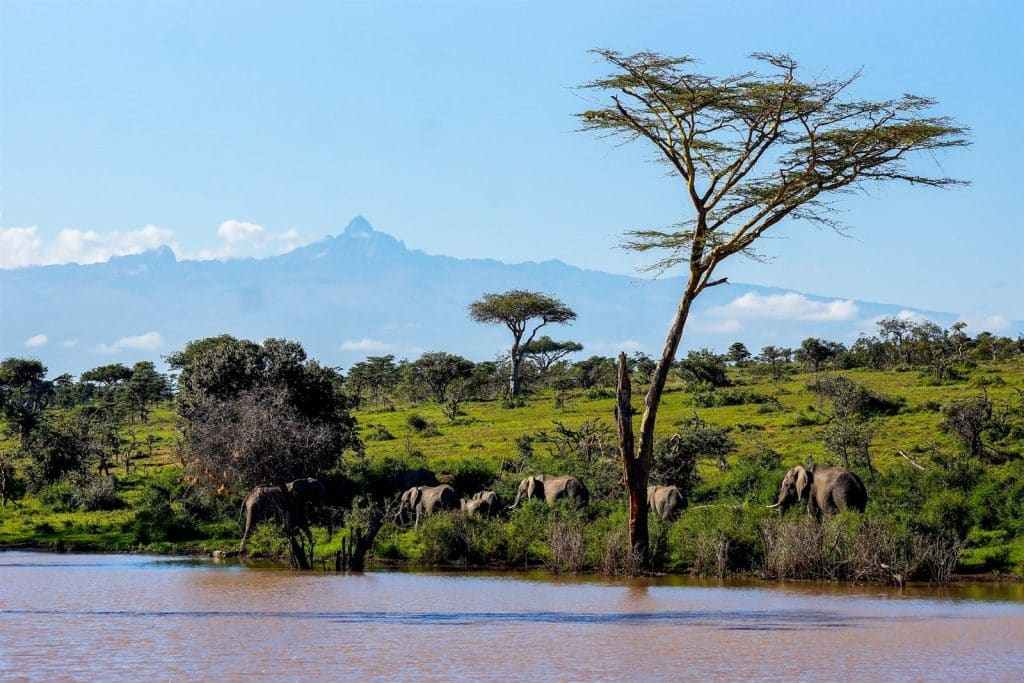
Elephants: Amboseli National Park is famous for its large elephant population, with big tuskers framed against Mount Kilimanjaro. Tarangire National Park is known for large elephant herds, especially during the dry season. Ruaha National Park adds another layer for elephant fans on Tanzania’s southern circuit.
Unique species: Samburu National Reserve offers opportunities to see northern specialist species like Grevy’s zebra and reticulated giraffe. Tree-climbing lions are famously associated with Tanzania’s Lake Manyara region. Chimpanzee trekking is possible at Mahale Mountains National Park in Tanzania.
Kenya has more national parks and reserves to choose from, yet Tanzania is famous for spectacular geological formations like the Ngorongoro Crater (a UNESCO World Heritage Site) and expansive national parks that feel truly remote. Nairobi National Park is unusual because it sits right beside a major capital city.
The great wildebeest migration gives Kenya its crossings and Tanzania its calving
The great wildebeest migration is often described as one of the natural wonders of Africa. More than a million wildebeest migrate annually in a continuous loop between Tanzania’s Serengeti and Kenya’s Maasai Mara.
Calving (January to March): Wildebeest calving season occurs from late January to February on the southern Serengeti plains near Ndutu. Predator action is intense as lions and cheetahs target newborns.
Mid-year movement: Herds push through the central Serengeti and western corridor, sometimes crossing the Grumeti River.
River crossings (July to October): Kenya’s Maasai Mara offers dramatic river crossings during the Great Migration between July and October. The Mara River crossing is among the most photographed moments of the migration. Crossings also happen in the northern Serengeti, often with fewer spectators.
Year-round viewing: Tanzania hosts the Great Wildebeest Migration for most of the year, including key events like the calving season. The Great Migration is best viewed in Tanzania year-round if you time your location within the Serengeti plains correctly.
If your first safari dream is baby wildebeest on short grass plains, choose Tanzania in calving season. If cliff-edge Mara River crossing drama is what you crave, choose Kenya or the northern Serengeti. Crowd levels at Kenya’s Mara riverbanks can be high during peak season, while some Serengeti areas remain quieter.
Kenya has easier access while Tanzania asks for longer distances
Both countries are well-established safari destinations. Kenya generally has slightly easier international access, while Kenya’s Maasai Mara and Amboseli lie relatively close to Nairobi.
Nairobi’s airport is one of Africa’s most well-connected, with more international flight options than Tanzania. Tanzania often requires at least one stop to reach Kilimanjaro International Airport, the gateway for Arusha National Park, or Dar es Salaam.
Kenya features a well-developed safari infrastructure that allows for shorter travel times between parks. Safari routes between Masai Mara, Amboseli, and Lake Naivasha are straightforward.
Tanzania’s northern circuit (Serengeti, Ngorongoro, Tarangire, Lake Manyara) forms a logical loop, but distances are larger. Fly-in bush planes save days but add significant cost.
If you dislike long bumpy drives, focus on one compact region like Mara plus a conservancy, or budget for internal flights. Both countries have well-served airstrips near major parks.
Kenya is generally cheaper, but value depends on how you travel
Exact prices change annually, so this guide speaks in relative terms rather than quoting figures that may be outdated by the time you book. Ask operators for written quotes for your dates.
Kenya is generally more budget-friendly, in part because of competition among operators. Its accommodation options range from budget to luxury. A short Masai Mara safari typically costs less than a comparable Serengeti safari.
Kenya generally has lower park fees than Tanzania, where Ngorongoro Crater vehicle descent fees and conservation levies stack up.
Both countries offer three budget tiers: basic group camping, comfortable mid-range safari lodges, and high-end tented camps. Botswana is often more weighted to mid and high end.
Save money by: traveling just outside peak season migration months, exploring lesser-known parks like Tarangire, Samburu, or Laikipia, and combining a few premium nights in a flagship area with more affordable nights elsewhere. A hot air balloon ride over the Serengeti plains or Masai Mara is a popular splurge in both countries.
Tanzania feels quieter while Kenya feels livelier on safari
The “feel” of a Kenya safari versus a Tanzania safari often matters as much as wildlife spotting lists. Both are best judged against your own style.
Kenya’s Maasai Mara can feel lively and social, with more vehicles at sightings, especially during the great migration. In peak season you may share a lion sighting with several other vehicles.
Tanzania’s Serengeti and southern parks like Ruaha National Park and Nyerere National Park (formerly part of the Selous Game Reserve) are frequently described as spacious and less crowded. Southern circuit parks in Tanzania offer remote wilderness experiences with opportunities for boat safaris.
Guiding quality is strong in both countries. Long-established operators in Nairobi, Arusha, and Moshi carry decades of tradition. Choosing the right guide matters more than the country border.
Kenya pioneered private conservancies that allow activities like night drives and off-road driving, as well as walking safaris. Tanzania’s concession areas also allow these, but vehicle rules inside places like Ngorongoro Crater are stricter.
Pace: Kenya often suits shorter, more intense itineraries. Tanzania shines when guests slow down across 8 to 12 days in multiple parks. Tanzania’s parks are generally larger and more expansive, providing a sense of remote wilderness.
Culture and conservation add depth beyond game drives in both countries
Most Kenya and Tanzania safaris are built around game drives, but many travelers now seek cultural and conservation experiences too.
In Nairobi, the Sheldrick Wildlife Trust rescues orphaned elephants. Watching a baby elephant bottle-feed is unforgettable. The Giraffe Centre allows visitors to feed giraffes, supporting Rothschild giraffe conservation.
The Maasai experience includes visits to community-owned conservancies across both Kenya and Tanzania. Choose carefully vetted cultural visits rather than roadside photo stops.
Tanzania offers visits with the Hadzabe near Lake Eyasi, plus Datoga blacksmith communities. On the Kenyan side, hiking Mount Kenya National Park or the Aberdares offers mountain wilderness. Tanzania counters with Mount Kilimanjaro, the continent’s highest peak, and the quieter Mount Meru near Arusha.
Walking safaris and night drives are more available in Kenyan private conservancies and Tanzanian concessions, but restricted in many national parks. In Botswana, walking and mokoro activities are standard, giving it a different flavor. Hell’s Gate National Park in Kenya is one rare spot where you can walk or cycle among wildlife.
Giraffe Manor near Nairobi, where giraffes poke their heads through breakfast windows, has become one of the most photographed stops in East Africa. Lake Naivasha offers peaceful boat rides with hippos nearby, and Hell’s Gate’s hot springs make a fun half-day detour.
Both countries pair safari with beach time on the Indian Ocean
Both Kenya and Tanzania provide excellent opportunities for safari-to-beach extensions after wildlife experiences. Many dream safaris finish with lazy days on beautiful beaches along the Indian Ocean.
Kenya’s coast: Diani Beach south of Mombasa delivers white sand and water sports. Lamu Island is a Swahili heritage gem with amazing beaches and car-free streets. The Kilifi and Malindi coast rounds out the options.
Tanzania’s coast: Zanzibar is the star, with Stone Town’s UNESCO-listed Swahili culture, rooftop restaurants, and pristine beaches. Mafia Island offers marine parks and whale shark encounters. Quieter mainland stretches like Pangani suit travelers seeking solitude.
Logistics: From Mara or Amboseli, fly via Nairobi to Diani or Lamu. From Serengeti or Ngorongoro, connect via Arusha or a domestic bush flight to Zanzibar.
Kenya’s coast often leans family friendly and resort oriented, making it a natural choice for beach vacations with kids. Zanzibar feels more atmospheric for couples interested in Swahili culture, markets, and boutique lodgings. You can combine safari and beach in either country without crossing borders.
Trip length decides whether Kenya, Tanzania, or both fits your itinerary
There is no single “best” answer to the Kenya vs Tanzania debate. Match your trip length to realistic safari routes.
4 to 5 days: Focus on Kenya’s Maasai Mara plus a night or two near Nairobi to visit the Giraffe Centre or Sheldrick Wildlife Trust. In Tanzania, pair Tarangire or Lake Manyara with Ngorongoro Crater, though transit eats into game time.
7 to 10 days: Kenya’s Maasai Mara plus Laikipia or Amboseli works well. Tanzania’s northern circuit of Serengeti National Park, Ngorongoro Crater, and Tarangire is the classic loop most reputable operators recommend.
10 to 14 days: Combine both. Spend several nights in Maasai Mara for the Mara River crossing, then fly to Serengeti for four to six nights, finishing with beach time in Zanzibar or Diani. Border crossings at Namanga or Isebania are straightforward when a licensed operator handles logistics.
Botswana comparison: A typical Botswana safari mixes Okavango Delta, Chobe, and the Kalahari with fly-in logistics. East Africa’s longer driving circuits and park fee layers differ from Botswana’s concession-based model. Each style has merits. Mountain gorillas in neighboring Rwanda or Uganda can be added to an East Africa itinerary.
June to October is the dry season, perfect for safaris in both countries. October to December sees short rains, still good for wildlife viewing. April and May are the long rainy season, less ideal for safaris due to muddy roads.
FAQ: Practical Questions About Kenya vs Tanzania Safaris
These questions cover extra concerns that often come up after travelers have chosen their safari destination.
Is it easy to combine Kenya and Tanzania in one safari?
Yes. A good operator handles border crossings at Namanga or Isebania, organizing vehicle or guide changes in advance. Many travelers fly between Mara airstrips and Serengeti or Kilimanjaro using regional airlines, which saves time but adds cost. Check current visa policies on official Kenyan and Tanzanian government sites, as rules can shift.
When is the best time to visit Kenya or Tanzania for a safari?
Both countries are driest and most popular from June to October. The short rains around November and the hotter months from January to March still offer good game viewing with fewer visitors, especially for calving in the southern Serengeti. Avoid heavy long rains around March to May if you dislike mud and possible road closures, though some camps stay open at lower rates.
Is Kenya or Tanzania safer for travelers on safari?
Most international advisories describe main safari circuits in both countries as generally safe. Standard big-city caution applies in Nairobi, Mombasa, Arusha, and Dar es Salaam. Use licensed guides, avoid walking alone at night in cities, and follow lodge safety briefings. The most significant day-to-day risk on safari is usually road traffic, not wildlife.
Can families with children enjoy a Kenya or Tanzania safari?
Absolutely. Many safari lodges in both countries offer family tents, kids’ nature activities, and flexible mealtimes. Kenya’s short hops from Nairobi to Amboseli or Maasai Mara suit younger children, and easy add-ons like the Giraffe Centre or boat rides on Lake Naivasha keep them engaged. Families choosing Tanzania should factor in longer drives and may want rest days or a Zanzibar beach stay built in.
How does a Kenya or Tanzania safari compare with a Botswana safari?
Botswana is wilder and less crowded, with strong emphasis on private concessions and water-based Okavango Delta experiences, but at higher average nightly costs. Kenya and Tanzania are better for witnessing the Great Migration, cultural variety, and combining overland safaris with historic coastal towns. Travelers who love their first safari in East Africa often look to Botswana next for a different style of wilderness-focused trip.