

Planning a Botswana safari starts with understanding how to get to Botswana. Most travelers fly through a regional hub such as Johannesburg or Cape Town, then connect to Maun or Kasane, because there are no direct flights from North America or Europe. Botswana is landlocked and remote, so getting the routing right is a big part of arriving smoothly in the Okavango Delta, Chobe, and other safari areas.
This guide is for safari travelers planning those logistics, including first-time visitors, overlanders, and self-drivers. It covers flight routes, arrival airports, overland border crossings by road, light aircraft transfers to camps, baggage tips, and the practical details that help you reach Botswana’s main safari regions with fewer surprises. Schedules change, so check current details with airlines before you book.
Key takeaways
- Most travelers reach Botswana by flying via Johannesburg or Cape Town, then connecting to Maun or Kasane.
- There are no regular direct flights from North America or Europe, so you will connect at a hub.
- Maun is the gateway to the Okavango Delta, and Kasane is the access point for Chobe and Victoria Falls combinations.
- Light aircraft transfers into bush airstrips are a normal, scenic part of reaching remote camps. Pack soft bags.
- Always check current airline schedules and build in extra time for connections.
Flying is the fastest and most reliable way to reach Botswana
Most international itineraries route through a regional hub in South Africa, followed by a connecting flight into one of Botswana’s main airports.
- Gaborone (GBE) is Sir Seretse Khama International Airport, used for international and regional arrivals and for trips that start in the south.
- Maun (MUB) is the portal to the Okavango Delta, Moremi, and central Botswana. See our Maun airport guide.
- Kasane (BBK) serves Chobe, Savuti, Linyanti, and travelers combining a trip with Victoria Falls. See our Kasane airport guide.
First-time safari guests usually fly into Maun or Kasane. Overlanders and self-drivers often enter by road from South Africa, Namibia, Zimbabwe, or Zambia.
International flights always involve a connection
Travel from the United States involves at least one layover, and the total journey is often a full day or more. Check schedules with airlines or search tools, because routes and times shift by season. Typical hub cities include:
- Johannesburg (JNB): the dominant hub, and most international travelers connect via O.R. Tambo International Airport before continuing to Botswana.
- Cape Town (CPT): useful for pairing a city and wine region stay with a safari, with regional links to Botswana that vary by season.
- Addis Ababa (ADD): an alternative connection that avoids South Africa.
- Nairobi (NBO): useful for East and Southern Africa circuits, usually with another hop to reach Botswana.
- Windhoek (WDH): handy for pairing Namibia and Botswana.
- Victoria Falls (VFA) or Livingstone (LVI): for combined Falls and Chobe itineraries.
Baggage on a single ticket is usually checked through, but confirm the rules for each airline, especially for light aircraft legs where limits are tighter.
Flying via Johannesburg is the most common route
Johannesburg is the primary regional hub for reaching Botswana. From there, regional flights connect to Gaborone, Maun, and Kasane. Follow signs for international transfers, clear security, and head to your regional gate.
Same-day connections from overnight long-haul flights are common, but allow a comfortable layover rather than the tightest option. Many travelers overnight in Johannesburg before an early flight north, which reduces stress and helps with jet lag.
Alternative gateways suit multi-country trips
- From Cape Town: check airlines for current regional service to Maun or Gaborone, as direct flights are not always available.
- From Windhoek: regional links and the Trans-Kalahari road make Namibia a natural pairing, particularly for self-drive trips.
- From Nairobi: works for travelers combining East African and Southern African safaris.
- From Victoria Falls: a popular start or end point, with road or short flight links to Kasane, the usual gateway for Chobe National Park. Read our Victoria Falls guide for planning ideas.
Light aircraft take you to the remote camps
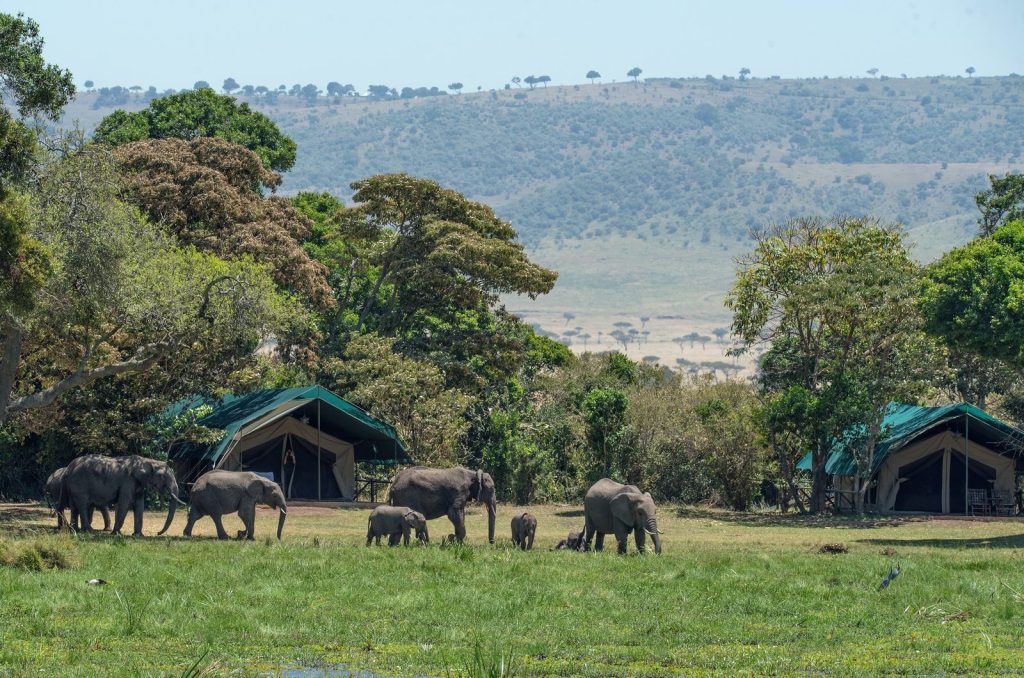
Many camps in the Okavango Delta, Linyanti, and Savuti are reached by light aircraft rather than by road. These flights are a highlight, passing low over floodplains where you can often spot elephants and hippos from above.
- Luggage limits are strict, commonly around 20 kg per person including hand luggage, in soft bags without wheels or frames.
- Some travelers land in Maun or Kasane first, then continue by small plane to remote camps.
- Transfers are usually arranged by your lodge or operator and timed to connect with arrivals.
- Weather can affect schedules, so build in flexibility.
If you are a nervous flyer, tell your operator in advance so you know what to expect.
Getting to Botswana by road is possible from four neighbors
Independent travelers can drive in from several countries. Traffic keeps to the left, and a standard car is usually fine on major roads and in towns, while a high-clearance 4WD is recommended in national parks and remote areas.
- From South Africa: several border posts connect to good tar highways toward Gaborone and beyond.
- From Namibia: the Trans-Kalahari route and crossings near Kasane serve travelers from Windhoek and the Zambezi Region.
- From Zimbabwe and Zambia: the Kazungula crossing is the common route from the Victoria Falls area toward Chobe and northern Botswana.
Expect livestock and wildlife on some roads, and avoid driving at night. Border posts keep set hours, so check them in advance and arrange insurance and vehicle paperwork before you leave.
Practical tips for flights, jet lag, and timing
- Jet lag: drink water, set your watch to local time on boarding, and use your first afternoon to rest.
- Carry-on essentials: keep medication, a change of clothes, and toiletries in your hand luggage in case of delayed bags.
- Connections: allow generous time at your first African hub for immigration, customs, and security.
- Reconfirm flights: verify regional and light aircraft legs shortly before you leave home.
- Health and money: ask a travel clinic about malaria precautions for the north, and check whether a yellow fever certificate applies to your route. The currency is the pula, and cash is useful in rural areas.
- Timing: the dry season, roughly May to October, is prime for wildlife and fills up fast, so book well ahead for peak season. See our Botswana safari cost guide for budgeting.
Frequently asked questions
Are there direct flights from Europe or North America to Botswana?
No regular non-stop flights from major European or North American cities to Botswana were operating at the time of writing. Most travelers connect via Johannesburg, the primary regional hub, though Addis Ababa can also work on some routes. Search for Maun, Kasane, or Gaborone as your final destination.
Is it better to fly into Maun or Kasane?
Maun suits the Okavango Delta, Moremi, and central trips. Kasane suits Chobe and Victoria Falls combinations. Choose based on your first camp or park, and ask your operator which works for your route.
Do I need a visa to enter Botswana?
Many nationalities can visit without a visa for a limited stay, but rules vary and change. Check with official sources before you book, and read our Botswana visa guide. You will need a valid passport with enough validity and blank pages.
How far ahead should I book?
Safari camps are small and busy in the dry season, so for peak season book flights and lodges as early as you can, often many months ahead, and at least several months ahead for other times. Match your flights to confirmed lodge dates. For ideas on where to go, start with our Botswana safari guide.