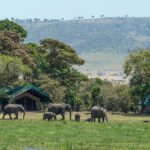


A Botswana 7 day itinerary can cover three very different safari landscapes in one week: the waterways of the Okavango Delta, the predator-rich woodlands of Moremi Game Reserve, and the elephant-filled riverfront of Chobe National Park. This route runs point to point from Maun to Kasane, so you avoid backtracking and combine water, land, and river experiences in a single trip, from mokoro outings and walking safaris to game drives and a Chobe river cruise.
It works whether you are planning a self-drive safari or booking a guided lodge-to-lodge trip and want to see Botswana’s key wildlife areas without wasting time on the road. Below, you will find the day-by-day route, what to do in each stop, the best seasons to go, and the practical planning details that usually shape a one-week trip, including flights, visas, health, packing, and transfers. Transfers are described in general terms because schedules and rates change, so confirm every flight and price with your operator.
Key takeaways
- This Botswana 7 day safari moves from Maun through the Okavango Delta and Moremi Game Reserve to Chobe National Park and Kasane.
- The dry season, roughly June through October, usually gives the best wildlife viewing.
- Core activities are mokoro trips, walking safaris, game drives in open vehicles, and a Chobe River boat cruise.
- Light aircraft transfers keep the pace comfortable, and luggage is limited to soft bags.
- Check visa, health, and flight details with official sources before you book.
How this 7 day Botswana safari itinerary works
The route flows in one direction: Maun to the delta, east to Moremi, north to the Khwai area, and on to Chobe and Kasane. Each segment connects to the next, and most days include two activity sessions, one at dawn and one in the late afternoon.
You can follow it as a self-drive trip in a rented 4×4 or as a guided trip with lodge-to-lodge transfers and light aircraft flights. It works whether you arrive from Johannesburg, Cape Town, or Victoria Falls. No prices or flight times are listed here, because they change often. This Botswana adventure can be done at budget, mid-range, or luxury levels. For budgeting, read our Botswana safari cost guide.
Day 1: Arrive in Maun and prepare for the delta
Maun is the main gateway to the Okavango Delta and a small town where most northern Botswana safaris begin. Plan to arrive early enough to collect luggage, get some Botswana pula from an ATM, and reach your guesthouse or lodge before dark. Our Maun airport guide explains what to expect on arrival.
Your first afternoon is for preparation, not game viewing. Walk beside the river if the light is good, repack into a soft duffel bag for the light aircraft, and have an early dinner. If you are self-driving, collect your 4×4 and check the vehicle. If you booked a guided trip, meet your operator and confirm your plans. Go to bed early, because Day 2 starts before sunrise.
Day 2: Fly into the Okavango Delta
Day 2 takes you from Maun into the heart of the Okavango Delta, the world’s largest inland delta and a UNESCO World Heritage site. Most travelers fly by light aircraft to a bush airstrip, a short flight that shows the braided waterways, hippo pools, and elephant trails from above. Some camps on the delta fringe are reached by a vehicle transfer followed by a motorboat ride.
Aim to arrive by lunch, then settle in and learn the camp layout and safety rules. In the afternoon, take your first mokoro trip. The poler stands at the stern of a dugout canoe and moves it silently through papyrus-lined channels. Watch for hippos, crocodiles, red lechwe, and jacanas on the lily pads. End the day with sundowners on a small island and a candlelit dinner.
Day 3: Spend a full day on the water
This is a slow, water-based day with no transfers. Paddle at sunrise in a traditional dugout canoe through narrow channels, an incredibly peaceful way to reach an island for a guided bush walk. Walking safaris reveal what a vehicle misses: tracks, dung beetles, medicinal plants, and nesting birds. The delta is also excellent for bird watching, with a long list of species across the day.
Rest during the hot hours, then take a late river safari as the light turns gold and hippos begin to call.
Day 4: Transfer to Moremi Game Reserve
Day 4 shifts from water to land. Moremi Game Reserve sits on the eastern side of the delta, and the change moves your rhythm from paddling to driving. Fly or drive to your next camp after breakfast, arriving by late morning in time for lunch and an afternoon game drive.
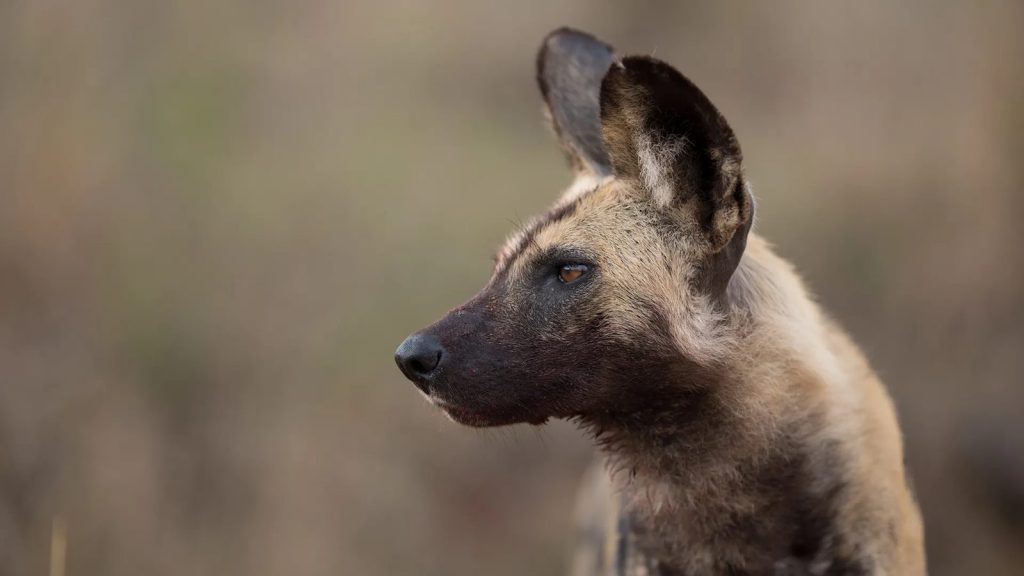
Moremi mixes mopane woodland, open floodplains, and riverine forest, which supports lions, leopards, cheetahs, and wild dogs. At night, listen for hyenas, jackals, and perhaps a roaring lion from your campfire.
Day 5: Spend a classic game drive day in Moremi
Day 5 is a full day in the field with no packing or transfers. Start at first light in an open vehicle and follow sandy tracks through woodland edges, grassland, and floodplain margins. The mix of habitats concentrates wildlife, so a single morning can produce sightings of several large mammal species.
Take a picnic brunch at a viewpoint, rest at camp in the midday heat, and head out again in the late afternoon when predators become active and the light is best for photography.
Day 6: Move through the Khwai area toward Chobe
The Khwai Community Area lies north of Moremi and serves as a bridge between the delta system, open grasslands, and Chobe. Spend the day on game drives along the Khwai River, where elephants and buffalo come to drink in the dry season, and wildlife sightings often improve as animals gather near watering holes. Some operators in community areas offer night drives, which can show servals, civets, and sometimes a leopard. Ask your operator what is allowed where you stay.
Day 7: Reach Chobe National Park and Kasane
On the final day, travel from the Khwai area to Kasane, usually by light aircraft or by a long overland transfer that adds several hours. Drop your bags near the river and have lunch. Our Kasane airport guide covers arrival and onward options.
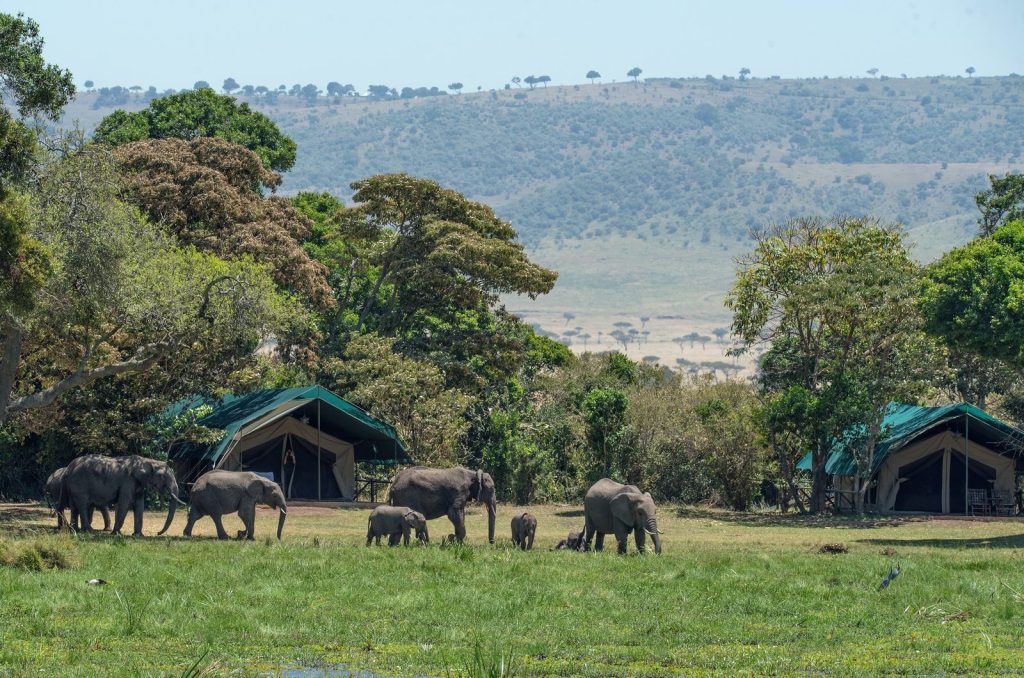
In the afternoon, take one of the boat cruises on the Chobe River. Chobe National Park is famous for its large elephant herds, and Botswana is often described as home to roughly a third of Africa’s elephants. From a boat you can get close to elephants drinking, buffalo wallowing, hippos, and crocodiles on the sandbanks. After the cruise, fly out the same evening if schedules allow, or stay one more night in Kasane or cross toward Victoria Falls.
Best time of year for a 7 day Botswana safari
Dry season (about June through October): vegetation thins and animals gather around permanent water, which makes sightings easier. The delta floodwaters, which originate in Angola, usually arrive in the middle of the year, filling channels for mokoro and boat trips. Mornings can be cold, so bring layers.
Green season (about November through March): afternoon storms turn the bush green and some roads become difficult. Bird watching peaks, but wildlife spreads out and some seasonal camps close. Rates are often lower.
Shoulder months: May and the end of the dry season often deliver strong game viewing with fewer crowds.
Self-drive versus guided safari
Self-drive advantages: full control of your schedule, flexibility at sightings, and a lower daily cost if you camp. Guided advantages: experienced guides who track by sound and spoor, pre-booked camps, and fewer worries in deep sand and water crossings.
Self-driving in Moremi and Chobe requires real off-road experience, because deep sand and water crossings can stop an unprepared vehicle. If you have never driven soft sand in a 4×4, a guided trip is the safer choice.
Practical logistics for flights, visas, and health
Most travelers fly into Maun at the start and out of Kasane at the end. Johannesburg and Cape Town are common international gateways, and our guide on how to get to Botswana covers routes in detail. Arrive in Maun at least a day before any charter flight, and build a buffer at the end of the trip before a long-haul flight home, because weather can delay bush flights.
Visa rules depend on your nationality and can change, so check official sources, and read our Botswana visa guide. Talk to a travel clinic well before departure about malaria precautions, since northern Botswana carries risk, and buy travel insurance that covers medical evacuation from remote camps.
What to pack for 7 days in the bush
- Lightweight, neutral-colored layers, plus a warm jacket for cold mornings.
- Closed-toe walking shoes and sandals for camp.
- A wide-brimmed hat, sunglasses, and sunscreen.
- A soft duffel bag that fits light aircraft limits, commonly around 20 kg including hand luggage.
- Binoculars, a camera, spare batteries, and a headlamp.
- Photocopies of your passport and insurance details.
Add-ons after 7 days
With more time, you can add Victoria Falls from Kasane, since the Kazungula border is close to town. The border crossing is usually straightforward, but it is still worth timing carefully and checking visa rules for Zimbabwe and Zambia. Our Victoria Falls guide has planning ideas. You can also extend south to the Central Kalahari Game Reserve, where the Kalahari Desert gives you a very different landscape from the northern parks, or to the Makgadikgadi salt pans and Nxai Pan National Park. Read our Botswana safari guide for the wider picture.
Frequently asked questions
Is 7 days enough for a Botswana safari?
One week covers the main northern highlights: water-based days in the Okavango Delta, land-based game drives in Moremi, and the Chobe riverfront. The pace is full, but it is enough to experience each ecosystem without spending the trip in transit.
Should I start in Maun or Kasane?
Start in Maun if the delta and Moremi are your priority. Start in Kasane if you are arriving from Victoria Falls and want to begin with Chobe. Either direction covers the same ground.
Do I need safari experience to self-drive?
Some 4×4 and sand-driving experience is strongly recommended. Beginners may prefer a guided safari the first time.
What is the luggage limit for light aircraft?
Many operators limit luggage to around 20 kg per person in soft bags, but limits vary, so confirm with your operator before packing.