
Most safari travelers fly straight past Gaborone on the way to Maun or Kasane. That is a missed opportunity. Gaborone, Botswana’s capital city, is the country’s political and cultural hub, with the National Museum, the Three Dikgosi Monument, a game reserve inside the city limits, craft villages within easy reach, and Botswana’s main international airport. For travelers who want to explore Botswana beyond the usual wildlife circuit, it offers a useful first look at the country’s history, arts, urban life and everyday culture, as well as easy wildlife viewing. Here is how to spend a day or two in Gaborone, Botswana, with its key attractions, nearby reserves, airport logistics, accommodation options, local cultural tips, and how the city fits into a broader Botswana safari itinerary.
Gaborone at a glance
- Role: capital of Botswana, a landlocked country in southern Africa, in the southeast near the South African border.
- Name: after Kgosi Gaborone, leader of the Batlokwa, who settled in the Tlokweng area in 1881. “Gaborone” is said to mean “it does not fit badly” or “it is not unbecoming,” a fitting starting point if you want to explore the country beyond the usual safari circuit.
- Airport: Sir Seretse Khama International Airport (GBE / FBSK), about 10 kilometers north of the city. It opened in 1984 and has a 4,000 meter runway.
- Flights to Maun: about 1.5 hours.
- Health: the CDC reports no malaria transmission in Gaborone.
- Currency: Botswana pula (BWP).
- Language: English is the official language, and Setswana is widely spoken in the city.
Why visit Gaborone before or after a safari
Botswana’s tourism board describes the capital as a city with a “tolerant mindset” drawn from its many cultures, with hotels, cinemas, casinos, varied restaurants and nightlife venues that host live music by local artists. Within minutes of leaving the main roads, it adds, “you walk into another world,” into the silence of rural Africa. For travelers, the capital city offers three things the safari circuit cannot, alongside other popular attractions.
- History and identity: the story of how Bechuanaland avoided being absorbed by Cecil Rhodes’s company and became modern Botswana.
- Arts and crafts: the National Museum, Thapong Visual Arts Centre and nearby craft villages.
- Easy wildlife: a game reserve inside the city and another nature reserve about 10 kilometers south.
Things to do in Gaborone
The Three Dikgosi Monument tells the story of independence
In the Central Business District stands the Three Chiefs’ Monument, marking what the tourism board calls a significant turning point in the country’s history. In the late 1800s, Cecil Rhodes wanted to take over Bechuanaland for his British South Africa Company. Three senior chiefs, Khama III of the Bangwato, Sebele I of the Bakwena and Bathoen I of the Bangwaketse, traveled to London to petition the Colonial Secretary, Joseph Chamberlain, and were presented to Queen Victoria. Their petition for protection succeeded, the territory stayed out of the company’s hands, and the country’s history was changed for good.
The statues were unveiled in 2005, the 39th anniversary of independence, and visitors receive a guided tour from a local historian. One detail to check: the tourism board dates the chiefs’ journey to 1885, while widely cited histories date the London trip to 1895. Ask the museum which date it uses.
The National Museum and Art Gallery holds crafts and fine art
The National Museum sits near the old town center and houses important collections of traditional crafts and southern African fine art. It reflects Botswana’s cultural heritage by bringing traditional and modern influences together in one collection. It also hosts an annual basket exhibition that brings the year’s best baskets to Gaborone, and an annual National Art Exhibition open to all artists living and working in Botswana.
Thapong Visual Arts Centre showcases young Botswana artists
Housed in the former magistrate’s house (1902), Thapong is home to Botswana’s young, gifted and sometimes avant-garde artists. It runs regular exhibitions and periodic children’s art courses. On the same site, the No. 1 Ladies Coffee House is named after Alexander McCall Smith’s No. 1 Ladies’ Detective Agency series.
Gaborone Game Reserve puts zebra and eland inside the city
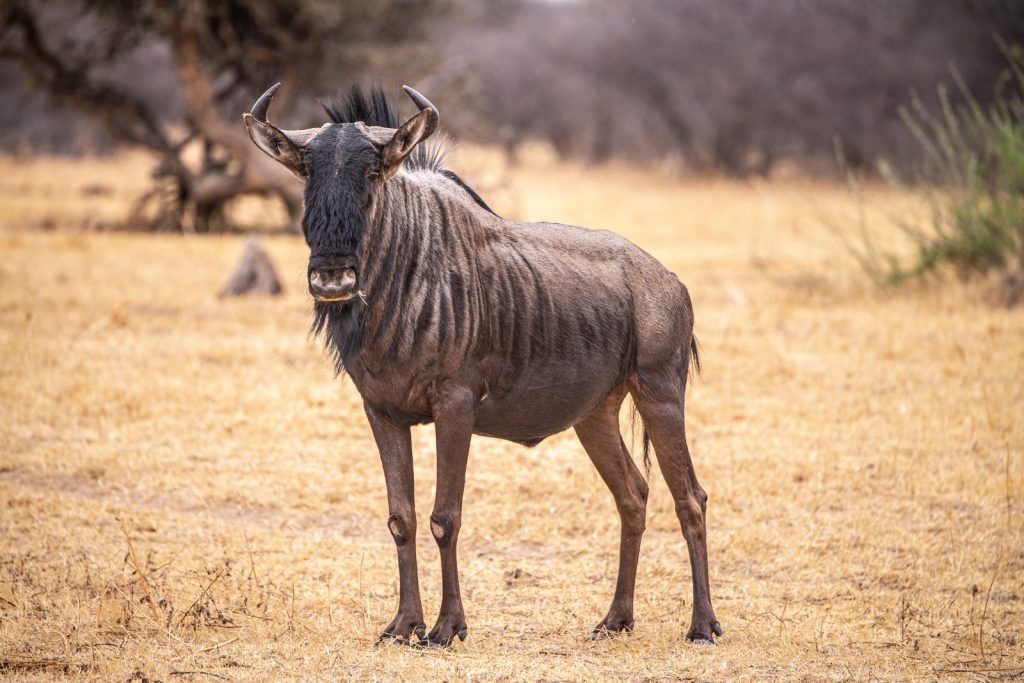
The tourism board describes this as one of Gaborone’s major attractions, along with Kgale Hill, and possibly one of the few national reserves located inside a city. It is small, about 5 square kilometers, but well stocked with zebra, eland, gemsbok, red hartebeest, blue wildebeest, impala, kudu, steenbok, vervet monkeys, warthog and rock dassies, making it an easy park for a short visit. There are animal and bird hides and a visitors’ center, and educational tours can be pre-booked. Resident and migrant birds are best seen from the small dam. It suits a layover, a family afternoon, or a gentle wildlife warm-up before the big parks in the north.
Mokolodi Nature Reserve is a half-day escape south of town
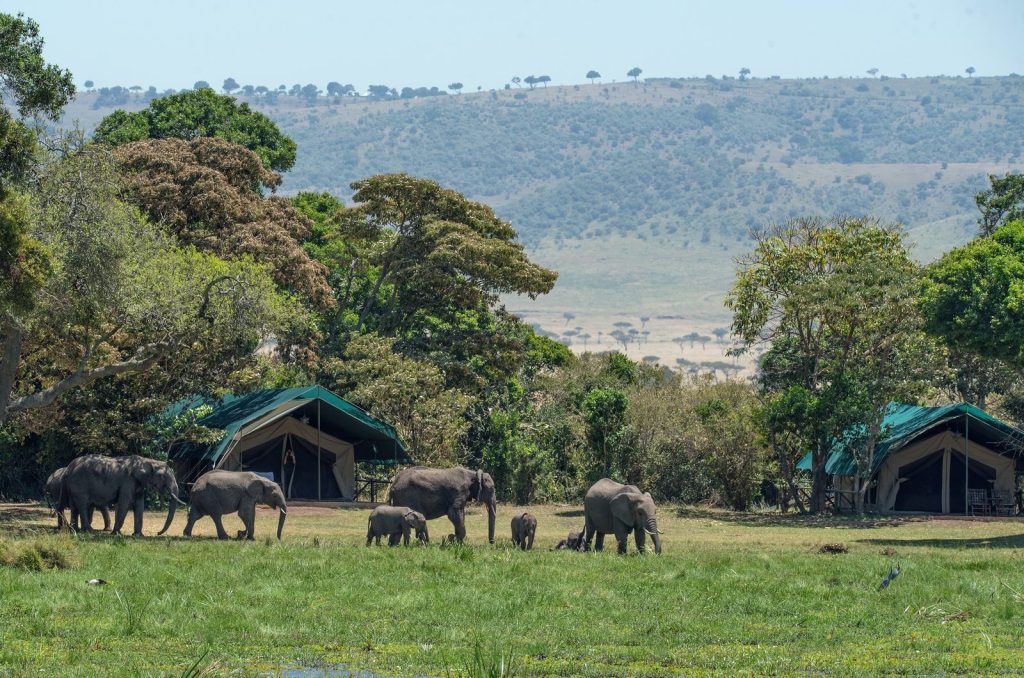
About 10 kilometers south of the city on the main road to Lobatse, Mokolodi has riverine terrain, rocky outcrops and Lake Gwithian with a picnic site. The tourism board describes it as an excursion for the entire family. The reserve says it is about 25 minutes’ drive from the airport and lists its hours as 7 am to 6 pm, and it runs a volunteer program. Check current activities and hours with the reserve before you go.
The University of Botswana is the country’s first university
Opposite the National Stadium is Botswana’s first institution of higher education. Established in 1982, it is affectionately called “Mma-Dikolo” (Mother of Universities) and has nine faculties and a graduate school.
Day trips from Gaborone to craft villages
The tourism board highlights several craft centers close to the capital.
- Oodi Weavers (Oodi village, just north of Gaborone): internationally known for hand-woven tapestries, carpets, bed covers and clothing in karakul wool, with locally inspired designs.
- Gabane and Thamaga: small-scale potteries producing modern ceramics. Traditional pottery is showing signs of recovery as the tourist market grows.
Buying directly from producers supports rural artisans. Our Botswana culture guide covers crafts, language and etiquette.
A short history of Gaborone and Botswana
After about 80 years as the British Bechuanaland Protectorate, the territory gained self-government in 1965 and became the independent Republic of Botswana in 1966, with Gaborone as its capital. Independence Day is 30 September. Sir Seretse Khama was elected the first president and served until his death in 1980. The discovery of commercially exploitable diamonds in 1967 paved the way for economic growth, and the city expanded rapidly through diamond-led development and urbanization. The national airport is named after Sir Seretse Khama.
Getting to and around Gaborone
By air
Sir Seretse Khama International Airport is about 10 kilometers north of the city and handles the most passengers of any airport in Botswana. Domestic flights connect Gaborone with Maun in about 1.5 hours, so you can easily combine the capital with the Okavango. See our Maun guide for the next leg.
By road
Road travelers can reach Gaborone from neighboring countries. We have not verified border-post details, so check opening times and requirements for the crossing you plan to use, and read our Botswana visa guide for entry rules.
Getting around
Ask your hotel to arrange transfers and recommend taxi services, or hire a car. Taxi fares and car rental rates vary, so confirm them before you set off.
Where to stay in Gaborone
The tourism board notes the capital has a range of hotels. Tourism is also a meaningful part of the city’s economy, drawing urban visitors and safari travelers in transit, with accommodation that includes hotels and nearby lodges. We do not list estimated prices, so compare rates on each hotel’s own website.
How Gaborone fits into a Botswana safari
- Start or end point: fly into Gaborone, spend a day on history and crafts, then fly to Maun for the Delta. Our Okavango Delta guide explains what comes next.
- Self-drive gateway: a starting point for road trips north toward the Central Kalahari, the pans and the Delta.
- Business travel: if you are in the capital for work, add a short safari extension in the north. Gaborone is a major commercial center in Botswana. The Botswana safari hub is the best place to start.
Practical tips for Gaborone
- Malaria: the CDC reports no transmission in Gaborone, though northern safari areas differ.
- Greetings: start every interaction with “Dumela rra” (to a man) or “Dumela mma” (to a woman).
- Currency: Botswana pula (BWP).
FAQ: Gaborone, Botswana
What is the capital of Botswana?
Gaborone is the capital of Botswana.
What does “Gaborone” mean?
The city is named after Kgosi Gaborone of the Batlokwa. The name is said to mean “it does not fit badly” or “it is not unbecoming.”
Is Gaborone worth visiting on a safari trip?
Yes, for a day or two. It is the best place to understand Botswana’s history and see its arts and crafts, major attractions include Kgale Hill and the Gaborone Game Reserve, and there is an easy flight to Maun.
Is there wildlife in Gaborone?
Yes. The Gaborone Game Reserve, about 5 square kilometers, is inside the city, and Mokolodi Nature Reserve is about 10 kilometers south.
How far is Gaborone airport from the city?
Sir Seretse Khama International Airport is about 10 kilometers north of the city.
What language is spoken in Gaborone?
English is the official language in Gaborone, and Setswana is widely spoken alongside it.