

Botswana’s tourism board says it plainly: nothing can prepare you for the sheer size of the Central Kalahari Game Reserve (CKGR). Waist-high golden grass runs to the horizon. White pans meet a pale sky, and at night the stars dominate everything. The Central Kalahari in Botswana is for travelers who want space, silence and desert-adapted wildlife: lions on the fossil valleys, springbok and gemsbok on the green summer grass, and a night with no other lights in any direction.
This guide covers where to go in the reserve, the best time to visit, how to get in, the self-drive and camping rules, and where to stay.
Central Kalahari Game Reserve facts
- Size: 52,800 square kilometers, described as the largest and most remote reserve in Southern Africa. It lies in central Botswana within the Kalahari Desert.
- Established: 1961, as a sanctuary for the indigenous San people of the Central Kalahari region, who have a historical connection to this area.
- Gates: Matswere (east), Xade and Tsau (west).
- Highlights: Deception Valley, Sunday Pan, Leopard Pan, Passarge Valley, Piper’s Pan.
- Managed by: Botswana’s Department of Wildlife and National Parks (DWNP).
The tourism board also calls the reserve the “second largest wildlife reserve in the world.” We have not found an independent ranking to confirm that claim, so treat it as the board’s description.
The Central Kalahari began as a sanctuary for the San
The reserve was established in 1961 as a sanctuary for the San (Basarwa) people, giving space for traditional ways of life rooted in hunting and gathering, as well as knowledge of tracking animals and identifying plants. After about 30 years of closure, the 1980s and 1990s saw limited self-drive and organized tours. Later, as the government worked to spread tourism across the country, it allocated concessions for lodges on the edges of and inside the reserve, which opened the CKGR to fly-in visitors.
Where to go in the Central Kalahari
Deception Valley is the reserve’s best-known area
Deception Valley, in the north, is the best-known part of the reserve. After the rains, herbivores gather here in dense numbers to feed on the sweet grass, and predators follow. It is also one of the most traveled parts of the reserve, with many public campsites and easy access from the eastern Matswere Gate. One third-party listing puts the Deception campsites about 40 kilometers from Matswere Gate.
Sunday Pan, Leopard Pan and Passarge Valley are quieter
The tourism board recommends driving Sunday and Leopard Pans, north of Deception Valley, and the Passarge Valley. These areas are quieter than Deception, and campsites fill up early in the green season.
Piper’s Pan is one of the more remote drives
Further south, Piper’s Pan is one of the reserve’s more remote drives. Third-party listings say it can be reached from either Matswere or Xade.
Wildlife in the Central Kalahari
During and shortly after good summer rains, the northern grasslands and ancient dry valleys called fossil riverbeds fill with wildlife. These valleys crisscross the Central Kalahari and recall a wetter period when rivers once flowed. Large herds of springbok and gemsbok gather on the best grazing, along with wildebeest, hartebeest, eland and giraffe. Many animal species here are adapted to months without surface water in this semi-arid shrub savanna. Predators follow the herds. The landscape is mostly silver terminalia sandveld, Kalahari sand acacia and Kalahari apple-leaf, broken up by open grasslands, dunes, salt pans and shallow fossil river valleys. The sheer scale of these open grasslands and big skies is part of the reserve’s appeal.
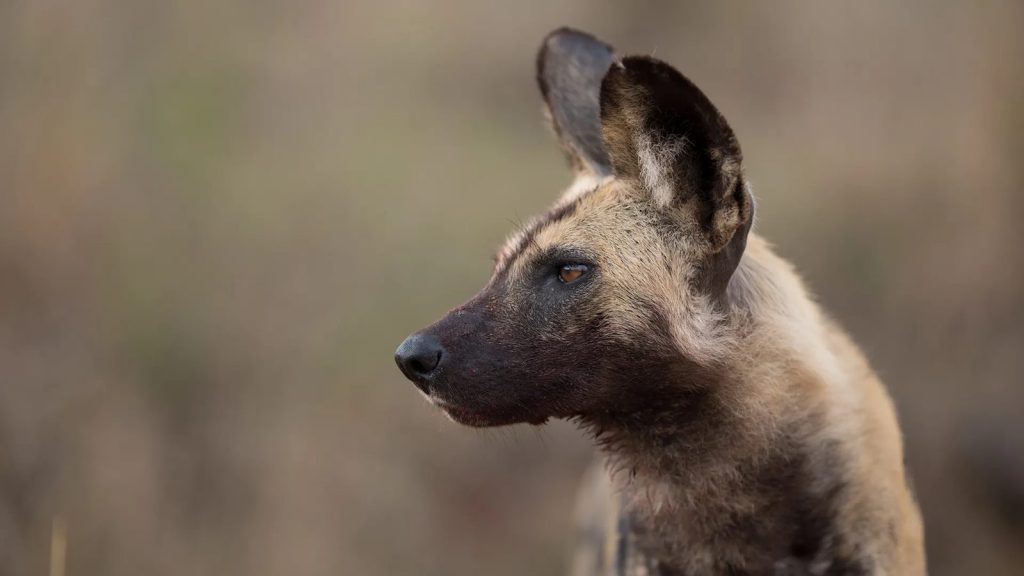
This is not a Big Five destination. Come for the big cats, especially the black-maned Kalahari lions, adapted to survive in harsh conditions with limited water, while the reserve is also home to cheetah, leopard and brown hyena. Combine it with the Okavango Delta or Moremi Game Reserve for water-based game. The green season is also a good time for birdwatching, with ostriches, secretary birds, raptors and migratory species.
Things to do in the Central Kalahari
The activities listed for the reserve are:
- Game drives
- Wilderness drives
- Nature walks with the San (Basarwa)
- Cultural dances
Some lodges and guided camps may also offer walking safaris, night drives and birding excursions, so ask what your operator includes.
Choose walks and cultural experiences that are community-owned or that clearly benefit the community. Our Botswana culture guide covers etiquette.
Best time to visit the Central Kalahari
- Green season (about December to April): the best wildlife, as herds gather on the northern grasslands after good rains. It is the wet season, when water-filled pans form after rain and birdwatching is at its best. This is also when the popular Deception Valley and Sunday Pan campsites are most in demand.
- Dry season (about May to October): cooler nights and fewer animals on the plains, but the most solitude. Earlier in the season, heavy rains can still leave some tracks difficult or impassable.
- Late dry season: heat builds quickly. Plan water and fuel very carefully.
Our best time to visit Botswana for safari guide compares the seasons across the country.
How to get to the Central Kalahari Game Reserve
- From Maun by road: most visitors use Matswere Gate in the east, which is the quickest way to reach Deception Valley. Allow a full day’s drive from Maun and arrive well before the gate closes. See our Maun guide.
- From Ghanzi: use Xade Gate in the west.
- From the south: some travelers enter through Khutse Game Reserve.
- By light aircraft: lodges inside and on the edges of the reserve serve fly-in guests, and charter flights from Maun are the usual option for reaching remote camps and lodges. See our fly-in safari guide.
Self-drive and CKGR camping rules
The Central Kalahari is one of Africa’s most rewarding self-drive trips, but it is only for experienced, fully equipped drivers.
Vehicle and kit (third-party guidance):
- A high-clearance 4×4 with low range. Every track in the reserve is sand, much of it deep.
- Long-range fuel. There is no fuel inside the reserve, and sand driving uses far more fuel than you expect.
- Two spare tires, a compressor, recovery gear and a satellite communicator. Phone signal is unreliable or absent.
- A second vehicle in convoy is strongly advised.
Campsites:
- Campsites must be booked and paid for in advance. You will need your booking confirmation and proof of park-fee payment at the gate.
- DWNP takes bookings for the Deception, Kori, Leopard, Phokoje, Xade, Bape and Xaka campsites by email at dwnp@gov.bw, or by phone through its Gaborone (+267 318 0774) and Maun (+267 686 1265) offices. Confirm these contacts before you book.
- Other campsites, including Passarge, Piper Pan, Sunday Pan and Letiahau, are reported to be managed by a private operator and booked separately.
- Facilities are basic at best, and many sites have none at all. Bring all your water, food and firewood, and take your rubbish out with you.
The split of campsites between DWNP and the private operator comes from one third-party source, so check it when you book. One self-drive guide suggests carrying at least 60 liters of water per person for a five-night stay. Treat that as a minimum and plan with your rental company.
Lodges and accommodation
There are lodges and camps on concessions inside and on the edges of the reserve, as well as public campsites. Accommodation ranges from basic campsites to safari tents and lodges. We do not quote rates, and we have not verified individual lodge names or opening dates, so check each property’s own site and confirm that it is operating.
Park fees: confirm with DWNP
The CKGR is a DWNP reserve. Fees are reported to follow the schedule in force since 1 April 2022, and a planned increase from 1 April 2026 was postponed. Published figures differ between sources, so confirm current fees with DWNP when you book. Our Botswana safari cost guide helps with budgeting.
Health and safety in the Kalahari
- Remoteness: a breakdown can leave you stranded for a long time. Leave your route with someone, and travel in convoy if you can.
- Heat: carry more water than your best-case plan, and never leave your vehicle to walk for help.
- Wildlife: campsites are unfenced. Stay in camp after dark and keep food stored securely.
- Malaria and health: check the CDC’s current advice.
FAQ: Central Kalahari Game Reserve
How big is the Central Kalahari Game Reserve?
About 52,800 square kilometers, which makes it the largest and most remote reserve in Southern Africa.
Can you visit the CKGR without a 4×4?
Not on your own. Every track is sand, so you need a high-clearance 4×4. You can also fly in to a lodge or join a guided trip.
When is the best time to see lions in the Central Kalahari?
Wildlife gathers on the northern grasslands, including Deception Valley, during and just after good summer rains, and predators follow the herds.
Do I need to book CKGR campsites in advance?
Yes. Campsites must be booked and paid for before you arrive.
Can I meet San people in the CKGR?
Nature walks with the San and cultural dances are among the reserve’s activities. Book them through operators who work fairly with the community.
What should I combine with the Central Kalahari?
Many itineraries pair it with the Makgadikgadi Pans and the Okavango Delta, making it an ideal contrast for travelers who want an off-the-beaten-track stop. Start at the Botswana safari hub.