
The Makgadikgadi is Botswana’s other world. While the Okavango Delta is all water and papyrus, the Makgadikgadi Pans in Botswana are a sweep of ancient salt pans, golden grassland and lone baobabs east of Maun, known for seasonal zebra and wildebeest movements, unusual dry-season experiences and a very different safari from the Delta. The landscape changes completely with the seasons. After good summer rains, zebra and wildebeest pour onto the grasslands, with predators trailing them. In the dry months the pans bake into a hard white crust, the herds move west to the Boteti River, and the draw becomes meerkats, quad bikes and some of the biggest night skies in Africa.
For travelers, safari-goers, wildlife watchers and nature lovers planning a Botswana trip, this guide to the Makgadikgadi Pans and Nxai Pan National Park covers the two protected areas, what to do, the best time to visit, how to get there from Maun, where to stay, park fees, and the practical health and safety points to know before you go.
Makgadikgadi and Nxai Pan at a glance
- Makgadikgadi Pans Game Reserve: about 3,900 square kilometers, taking in the western end of Ntwetwe Pan with grassland and acacia woodland.
- Nxai Pan National Park: about 2,100 square kilometers, including Nxai, Kgama-Kgama and Kudiakam pans.
- Boundary: the Nata to Maun road separates the two.
- Nxai Pan access: about 50 kilometers from the Nata to Maun road.
- Fringe villages: Mopipi, Mmatshumo, Nata, Gweta and Rakops.
- Gateway: Maun for most visitors, and Nata and Gweta from the east.
Park names vary. Botswana’s tourism board calls the first area the Makgadikgadi Pans Game Reserve, while many operators and guides say Makgadikgadi Pans National Park. We use both here, and you should confirm the gazetted name with the Department of Wildlife and National Parks (DWNP).
The Makgadikgadi Pans change completely with the seasons
Two seasons, two destinations
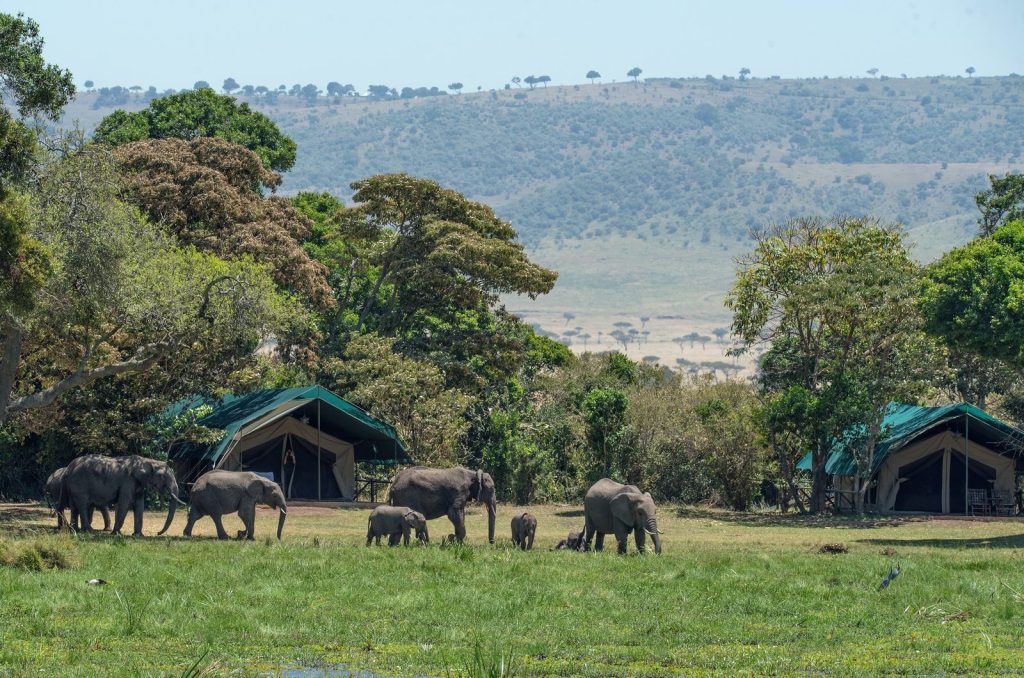
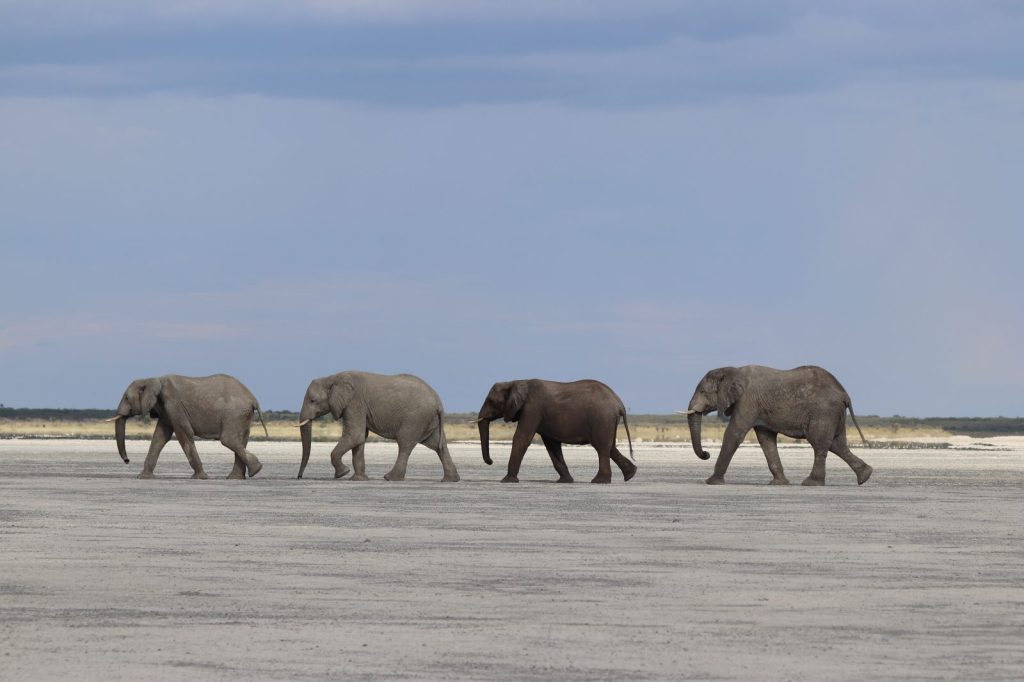
The reserve offers good wildlife viewing in the wet season, as the pans fill after the rains and the edges turn green while great herds of zebra and wildebeest begin their westward migration to the Boteti region. This seasonal movement also draws predators such as lions and hyenas. Other species include gemsbok, eland, red hartebeest, kudu, bushbuck, duiker, giraffe, springbok, steenbok and even elephant. Patient visitors may spot the rare brown hyena.
In the dry season, the open salt pans become the attraction, a vast landscape in their own right. Quad biking, walking with meerkats, game drives and sundowners on the pans are the activity highlights.
People have lived around the pans since the Stone Age
Archaeological sites on the pans hold the tools of ancient inhabitants and the bones of the fish and animals they ate. Ask your guide about the history if you stay near the villages on the pans’ fringes.
The zebra migration follows the rain, not the calendar
The Makgadikgadi is home to one of Africa’s great zebra migrations, and it is at its best in Botswana’s low season.
- Okavango to Makgadikgadi route: one wildlife publication describes a return route of about 500 kilometers, with around 15,000 zebra moving between the Okavango Delta and Moremi and the Makgadikgadi. The herds arrive with the rains in about November or December and graze the pans for about three months before heading back past Maun around March.
- Chobe to Nxai Pan route: the same source reports more than 20,000 zebra leaving the Chobe River floodplains in early December, reaching Nxai Pan in two to three weeks and staying for about three months.
- Dry season: from about April to October, herds return toward the Delta, usually by way of the Boteti River, one of the only permanent water sources on the park’s western edge. As nearby pans dry, the herds move back toward the Boteti River, and predators follow.
Treat the zebra numbers with caution. They come from a single source, and herd sizes and timing depend on rainfall and vary every year.
Nxai Pan National Park rewards a rainy-season visit
Nxai Pan is part of the greater Makgadikgadi complex. Its larger pans, once ancient salt lakes, are now grassed and dotted with islands of acacia trees. The smaller pans fill with water in the rains and attract large herds of wildlife, with elephants arriving in season.
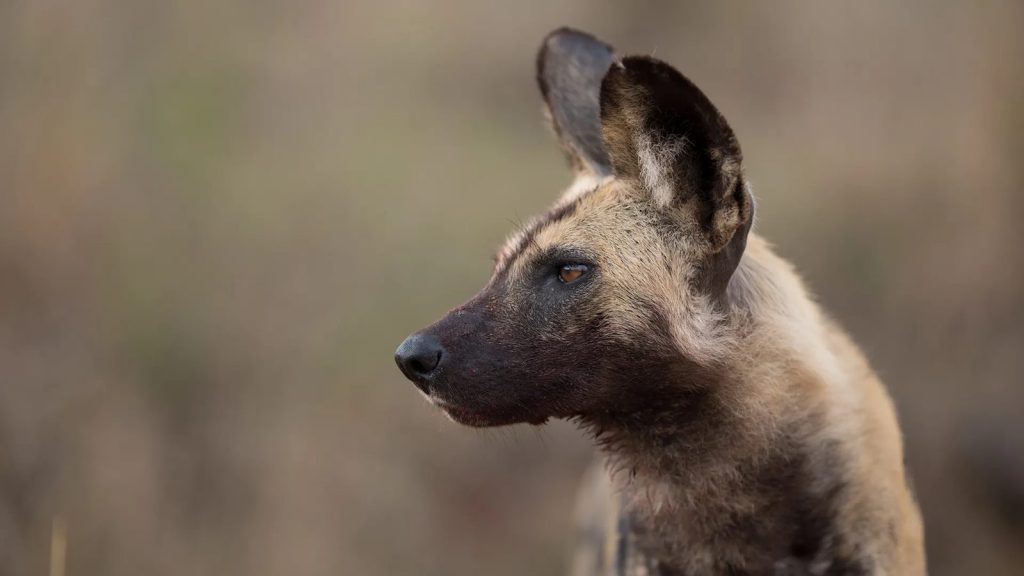
Wildlife: zebra, wildebeest, springbok, impala, gemsbok, hartebeest, giraffe, lion, cheetah, wild dog, brown hyena and bat-eared fox, and sometimes elephant and buffalo.
When to go: December to April is the best time to visit if the rains are good. Artificial watering points supplement natural water and hold some wildlife through the dry season.
Baines’ Baobabs are one of Botswana’s best photo stops
About 30 kilometers from the entrance to Nxai Pan National Park stand Baines’ Baobabs: seven gigantic, gnarled baobabs overlooking Kudiakam Pan. They are named after the 19th-century explorer and artist Thomas Baines, who painted them during his journey with James Chapman from Namibia to Victoria Falls (1861 to 1863). The view he painted is said to remain unchanged today. Go at sunrise or sunset for the best light.
Nata Bird Sanctuary draws flamingos when the pans hold water
On the eastern side of the pans, Nata Bird Sanctuary was Botswana’s first community-based conservation project. It is run by four communities (Nata, Maphosa, Sepako and Manxotae), covers about 250 square kilometers and opened in 1993. When there is water in the pans, thousands of flamingos, pelicans, ducks and geese gather there, including greater flamingos and many other water birds. The sanctuary also has reasonably priced camping.
Things to do in the Makgadikgadi
- Walk with meerkats: habituated meerkat colonies are a highlight of the dry season.
- Kubu Island: a possible excursion or scenic highlight, this granite outcrop rises from the ancient lakebed among baobabs, white salt and sand. Ask your operator whether it is included and how long the drive takes.
- Quad biking on the salt pans: usually only when the pans are dry and hard.
- Game drives: the Boteti River in the dry season, and the grasslands and Nxai Pan in the rains, when herds gather and predators follow.
- Sundowners and sleep-outs on the pans: offered by several camps in the dry season, and a big draw for many visitors is the pans’ raw beauty under dark skies.
- Birding: flamingos may gather on flooded pans in the wet season, which also brings migratory birds.
- Baines’ Baobabs: a half-day or full-day excursion from Nxai Pan.
Best time to visit the Makgadikgadi Pans
| Months | What to expect |
|---|---|
| December to March (April in good years) | Wet season. When the rains fall, the pans fill and attract wildlife across the grasslands and at Nxai Pan, with predators following. Seasonal water also draws flamingos and other water birds. Pans often too wet for quad bikes. |
| April to October | Dry season. Herds gather on the Boteti River, and wildlife concentrates around remaining waterholes. Pans dry and hard: the best time for meerkats, quad biking and sleep-outs. |
| September to November | Heat builds and the Boteti stays the focus. First storms may arrive in November. |
Rain-dependent timing is the golden rule here: the migration follows the grass, not the calendar. Our best time to visit Botswana for safari guide compares the seasons across the country. The dry season is also often best for stargazing thanks to minimal light pollution.
How to get to the Makgadikgadi Pans
- From Maun by road: the Nata to Maun road runs between the two parks, and the Nxai Pan turn-off is about 50 kilometers from the park itself. Boteti River camps are the easiest part of the area to reach by road from Maun. See our Maun guide.
- By light aircraft: some camps are reached by charter flight from Maun. See our fly-in safari guide.
- Self-drive: you need a 4×4 for the Nxai Pan access track and the pans, and you must be fully self-sufficient, so carry your own fuel, water and food, or book a guided tour. DWNP campsites, for example Tree Island in Makgadikgadi Pans National Park, are booked through DWNP by email at dwnp@gov.bw.
Where to stay near the pans
Choose from lodges and tented camps on the Boteti River and on the edges of the pans, a camp inside Nxai Pan, and public campsites. We do not quote rates, so check each property’s own site. One third-party guide reports that Nxai Pan Camp closes in June, which we have not confirmed with the operator, so ask before you book.
Park fees: confirm with DWNP
Makgadikgadi Pans and Nxai Pan are managed by DWNP. Fees are reported to follow the schedule in force since 1 April 2022, and a planned increase from 1 April 2026 was postponed with no new date announced. Confirm current fees with DWNP before you travel. Our Botswana safari cost guide helps with budgeting, and the Moremi Game Reserve guide has more on park fees.
Health and safety in the pans
- Malaria: check the CDC’s current advice for the district you are visiting.
- Heat and remoteness: October is very hot. Carry plenty of water and fuel on the Nata to Maun road and the park tracks.
- Pans: never drive onto wet pans. A crust can hide deep mud.
FAQ: Makgadikgadi Pans and Nxai Pan
Where are the Makgadikgadi Pans?
In north-eastern central Botswana, east of Maun, between the villages of Nata, Gweta, Mopipi and Rakops.
Are Makgadikgadi and Nxai Pan the same park?
No. They are two protected areas separated by the Nata to Maun road, but they form one ecosystem and are usually visited together.
When is the zebra migration in the Makgadikgadi?
Usually from about December to March, when zebra graze the grasslands and Nxai Pan after good rains. In the dry season, they gather along the Boteti River.
Can you see the Big Five in the Makgadikgadi?
It is not a Big Five destination. Come for zebra, wildebeest, desert-adapted antelope, brown hyena, meerkats and open landscapes. For the Big Five, combine it with Moremi and the Okavango Delta.
How long should I stay?
Many itineraries spend two or three nights here between the Okavango Delta and the Central Kalahari.