
A Botswana family safari is one of the most rewarding ways to introduce children to Africa’s wilderness. It combines close wildlife encounters, camps that welcome families and short light-aircraft hops in place of exhausting overland drives. Botswana’s low-impact tourism model also means smaller camps, fewer vehicles at sightings and a deeper sense of immersion in nature. This guide covers ages, regions, seasons, activities, health and safety. For the wider country picture, see our Botswana safari guide.
Botswana Works Well for Families Who Plan Around Children’s Ages
Age limits vary widely by camp. Many camps welcome children from around 6 years old, some accept younger children with conditions, and some remote or high-end properties set higher minimums or restrict certain activities. Always confirm each camp’s policy in writing before you book.
The most popular family regions are the Okavango Delta, Chobe National Park, Moremi Game Reserve, the Makgadikgadi Pans and the Central Kalahari. A typical trip runs 7 to 12 nights across two or three bases. Travel between regions is often by small bush flights of roughly 30 to 60 minutes, which many children count among the highlights.
Why Botswana Suits a Family Safari
- Flexible private concessions: in large private reserves around the Okavango Delta, Linyanti and Khwai, guides can often adjust the pace, timing and route of drives around children’s needs, and some allow off-road driving and night drives.
- Low-density wilderness: conservation-first policies keep visitor numbers deliberately low, so sightings feel calmer and there is less jostling for position.
- A mix of water and land: game drives, boat cruises, mokoro canoe trips and guided walks keep the days varied. Kids who fidget in a vehicle often light up on a boat.
- Family-ready camps: many camps offer family tents with two bedrooms, flexible mealtimes and child-friendly food.
- Learning on every drive: tracking footprints, bird spotting and stargazing in the Kalahari turn a holiday into an outdoor classroom.
How a Botswana Family Safari Typically Works
Step 1: Choose When to Travel
Timing shapes which animals you see and how comfortable children will be outdoors. For a month-by-month view, see our guide to the best time to visit Botswana.
- Dry season (roughly May to October): generally the best wildlife viewing, because animals concentrate around water.
- May to August: cool mornings and clear skies suit first-time families, so pack warm layers for early drives.
- September and October: intense wildlife action but rising heat, which makes siestas and pool time essential.
- Green season (roughly November to April): lush scenery, fewer crowds, newborn animals and short afternoon storms.
Step 2: Pick Two or Three Regions and Family-Friendly Camps
Quality beats quantity with children. Two or three well-chosen bases over 7 to 10 nights deliver a richer experience than moving every day. Small planes usually require soft, squashable bags, so pack accordingly.
- Chobe Riverfront plus the Okavango Delta: a strong first-timer pairing of elephant herds and boat-based viewing with the Delta’s channels and islands.
- Moremi or Khwai plus a private Delta concession: varied habitat and reliable big game.
- Delta plus the Makgadikgadi or Central Kalahari: a wet-and-dry contrast with very different activities.
When evaluating camps, look for family tents or connecting rooms, a pool, a kids’ activity program and flexible age rules for mokoro outings and bush walks.
Step 3: Set a Kid-Friendly Daily Rhythm
A typical day is an early game drive, a return for brunch, a long midday rest, an afternoon activity and an early night. You can adapt it for younger children or teens.
- Shorten morning drives, and let kids sleep in if early starts are hard.
- Use siesta time for the pool, wildlife watching from camp decks and board games.
- Consider a private vehicle, where available, so you can return early or linger at a sighting without affecting other guests. Private vehicles can also relax age restrictions at some camps.
- Add a buffer night on arrival in Johannesburg or Maun to recover from jet lag before early drives.
- Pack a safari kit: child-size binoculars, wildlife checklists, a journal and a simple camera.
Who a Botswana Family Safari Suits
- First-time safari families: a safe, well-run introduction to Africa.
- Multi-generational groups: private villas or exclusive-use camps allow flexible schedules for everyone from grandparents to teens.
- Nature-loving tweens and teens: older children who can handle early starts may love walking safaris and mokoro outings.
- Less ideal for: very young toddlers who cannot join most activities, or families who want constant entertainment and nightlife.
Sample Botswana Family Safari Itineraries
These are patterns for inspiration, not fixed packages or price quotes. Adapt them to your children’s ages and the season.
Eight Nights for First-Timers: Chobe and the Okavango Delta
- Nights 1 to 3, Chobe Riverfront: boat cruises, morning game drives for elephants and buffalo, and pool afternoons. Learn more in our Chobe National Park guide.
- Nights 4 to 6, a water-focused Delta camp: mokoro trips where age policies allow, island walks and motorboat wildlife viewing.
- Nights 7 and 8, a land-based Delta or Khwai camp: predator-focused drives and gentle bush walks for older kids.
Ten Nights for Adventurous Families: Delta and Makgadikgadi
- Nights 1 to 6, two contrasting Delta camps: water channels and dry-land drives, plus guided walks and fishing where offered.
- Nights 7 to 10, the Makgadikgadi area: quad biking for suitable ages, habituated meerkats with a guide and some of the darkest skies anywhere.
Seven Nights With Teens: Moremi and Khwai
- Stay in one core area to cut flight time and maximize viewing hours.
- Expect extended drives focused on predators, basic tracking lessons and photography. See our Moremi Game Reserve guide for the reserve.
Family-Friendly Activities on a Botswana Safari
Activities depend on camp policy, guide discretion and children’s ages, so confirm what is offered before you book.
- Game drives: open vehicles with raised seating, usually two to three hours each morning and afternoon. Guides often spend more time with elephants, hippos and giraffes for younger children.
- Boat cruises and mokoro trips: relaxed viewing on the Chobe River and in the Delta. Mokoro outings often carry higher minimum ages than boat cruises.
- Gentle bush walks: for older children and teens where policy allows, focused on tracks, insects and plants.
- Desert adventures: quad biking on the salt pans and meerkat visits in the Makgadikgadi area.
- In-camp fun: pools, stargazing, storytelling by the fire and simple craft projects.
Where to Go in Botswana With Kids
Chobe Riverfront Is an Easy, Elephant-Rich Start
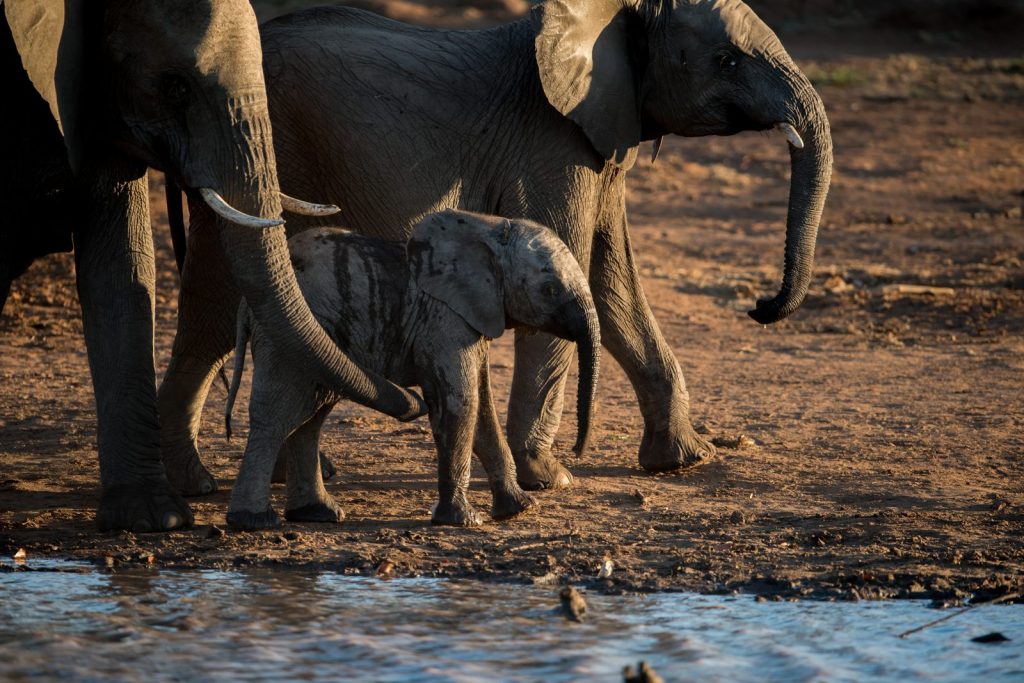
Large elephant herds gather along the river, especially in the later dry months, and boats suit children who like being on the water. It can be busier than private reserves, so it works well as an accessible first stop.
Okavango Delta Concessions Offer the Most Flexibility
The Delta is a UNESCO World Heritage Site of channels, lagoons and palm islands. Private concessions often have fewer vehicles at sightings and more flexible rules. Read more in our Okavango Delta guide.
Moremi and Khwai Are Strong All-Rounders
A blend of floodplain, woodland and lagoon with reliable big game and predators. The Khwai community area can offer activities such as night drives that the reserve itself does not.
The Makgadikgadi Pans Feel Like Another Planet
Open salt pans, habituated meerkat colonies and enormous skies. Access is generally easiest in the dry months, while the green season brings zebra and wildebeest to nearby grasslands.
The Central Kalahari Suits Older, Experienced Families
Remote and wide open, with black-maned lions and desert-adapted wildlife. Longer travel times and rugged infrastructure make it best for families who already enjoy safari.
Accommodation Options for Families
- Family tents in classic camps: separate bedrooms, a shared lounge or deck and ensuite bathrooms. Camps often have only one or two family units, so they sell out early.
- Private villas or exclusive-use houses: a private guide, vehicle and chef, ideal for multi-generational groups.
- Mobile camping safaris: simple tents and a hands-on experience for adventurous families with older kids.
- Facilities that matter: pools are rare but prized, and Wi-Fi is often limited in the bush.
Always confirm age limits, bedding layouts and policies directly with the camp, because details differ from one property to the next.
Health, Safety and Practical Planning
- Malaria: northern Botswana is a malaria-risk area, especially in the wetter months. Talk to a travel clinic well before departure about prevention for every family member, including children.
- Safety around wildlife: reputable camps give detailed briefings. Many camps are unfenced, so children are escorted after dark and must follow guide instructions at all times.
- Documents: check passport validity and entry rules for your nationality in our Botswana visa guide. Rules for children traveling can include extra paperwork, such as birth certificates or parental consent letters, so verify current requirements with the authorities.
- Medical cover: comprehensive travel insurance that includes air evacuation is strongly advisable.
- Packing: light neutral clothing, warm layers for winter mornings, hats, sunscreen and soft bags for small planes.
Frequently Asked Questions About Botswana Family Safaris
What Is the Best Age for Children on a Botswana Safari?
Many camps set minimums around 6 to 8 years, and some prefer older children for walking safaris and mokoro trips. Children roughly 8 to 14 often get the most out of the experience, but temperament matters more than a number.
Is Botswana Safe for Families?
Reputable camps follow strict safety protocols, and guides brief guests on arrival. Serious incidents are rare, but you should still carry good medical and evacuation insurance.
How Long Should a Family Safari Be?
Seven to ten nights is a good balance for most families. Younger children do best with two to three nights per camp, while teens may enjoy longer stays in fewer places.
Can We Combine Botswana With Victoria Falls?
Many families add two to three nights near Victoria Falls, usually reached via Kasane. Some activities there have age or height rules, and water levels change the experience through the year.
How Far in Advance Should We Book?
Peak months from June to October and school holidays often fill many months ahead, especially for limited family tents. Early planning gives you more choice of camps and room types.
Start Planning Your Botswana Family Safari
Begin with your travel month, your children’s ages and the experiences that excite your family most. Whether it is elephants along the Chobe, mokoro rides through Delta channels or meerkats on the salt pans, Botswana delivers wildlife encounters families talk about for years. Check current age policies, prices and entry rules with each camp before you commit, since they change often.