
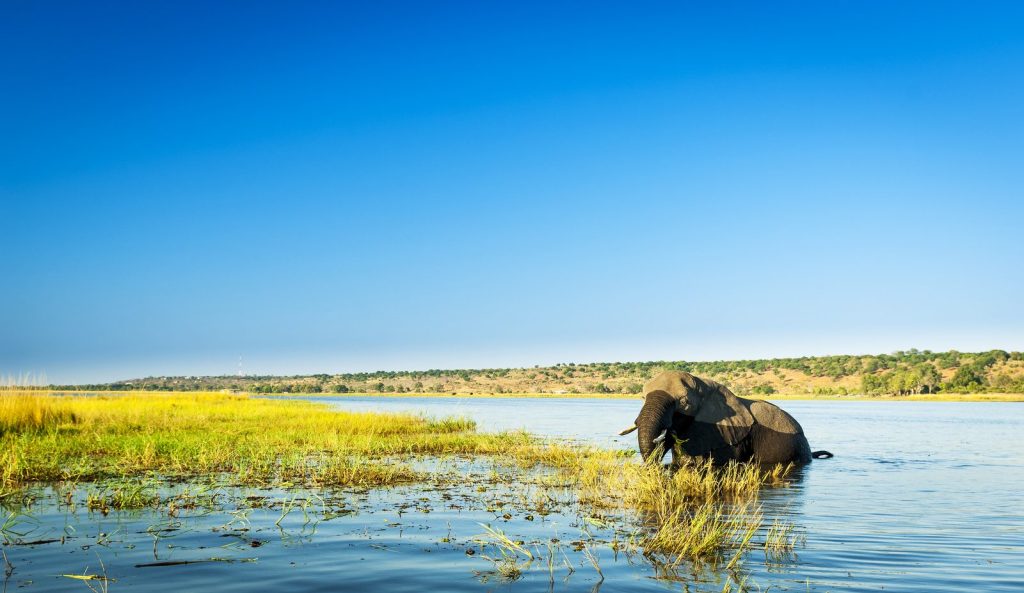
If you are planning a Botswana safari and want serious wildlife without the crowds, Linyanti deserves a spot at the top of your list. This guide covers what an independent traveler needs to know about the Linyanti region, from seasonal timing and camp selection to practical health advice and how to actually get there.
Botswana Linyanti at a Glance
Linyanti is a remote safari destination in northern Botswana built around private concessions, permanent water, and some of the highest wildlife densities in southern Africa. Its reputation rests on dramatic landscapes and fewer visitors than the more accessible parks.
For independent safari planners, Botswana Linyanti offers something hard to find elsewhere: an intimate safari experience shaped by low vehicle density, knowledgeable guides, and private concessions that allow activities such as night drives, off-road tracking, and walking safaris. Because most camps limit guest numbers and access usually requires light aircraft, the region stays quiet. You will share animal sightings with a handful of vehicles rather than a convoy.
Where Is the Linyanti Region?
The Linyanti region sits in the northwestern corner of Botswana, between Chobe National Park to the east and the Okavango Delta to the southwest. The Linyanti River forms part of Botswana’s border with Namibia’s Caprivi Strip (now called the Zambezi Region), which underscores how isolated this wider landscape feels.
The broader area falls within the Kavango-Zambezi Transfrontier Conservation Area, a large cross-border initiative that links protected lands across five countries and supports free wildlife movement. Within this landscape, several private concessions operate alongside the national park, including the Linyanti, Selinda, and Kwando areas.
> Note that “Linyanti” can refer to the private concessions, the national park section, or the broader geographic area. When booking, confirm which concession your camp sits in, as rules and activities differ.
The Linyanti River and Kwando Rivers
The Kwando River originates in Angola, flows south through Namibia, and becomes known as the Linyanti River as it nears Botswana. During the dry season, when water sources dry up across the interior, permanent water along these rivers becomes a lifeline for wildlife. Huge herds of elephant and buffalo concentrate along the Linyanti River and its associated channels, drawing predators close behind.
To the east, the Chobe River runs through Chobe National Park and eventually feeds into the Zambezi. While the Chobe and Linyanti ecosystems are neighbors, they differ in access rules, habitats, and visitor density. The Savuti Channel (also spelled Savute Channel) connects the Linyanti system to the Savuti area of Chobe. Historically, this channel has flowed intermittently. Accounts describe it drying for decades, returning around 2008 to 2010, flooding in the following years, and showing partial pulses since. Treat the dates as approximate. These shifts directly affect game viewing, water-based activities, and camp offerings from season to season, so ask your camp whether the channel is flowing.
Linyanti Marsh and Regional Habitats
The Linyanti marsh is a wetland that anchors the region’s ecology. Unlike seasonal floodplains that fill and empty with the rains, the marsh holds water for much of the year, supporting aquatic species such as red lechwe and sitatunga.
Surrounding the marsh, habitats shift dramatically. The area features open floodplains, lagoons, and riverine forests along the river channels. Riverine woodlands support leopard habitat and birds of prey, while grassy plains offer visibility for large predator hunts. Mopane woodland dominates the drier uplands, providing browsing habitat for elephant and cover for sable antelope and roan. The wetlands also include seasonal floodplains lined with sausage trees and Combretum species.
Seasonal change drives wildlife movement and visibility. When the rains arrive between about November and April, pans fill, grass shoots up, and animals disperse across the landscape. As the dry winter season takes hold, vegetation thins, water retreats to permanent sources, and large concentrations of animals become far easier to spot along rivers and lagoons.
Linyanti Wildlife Highlights
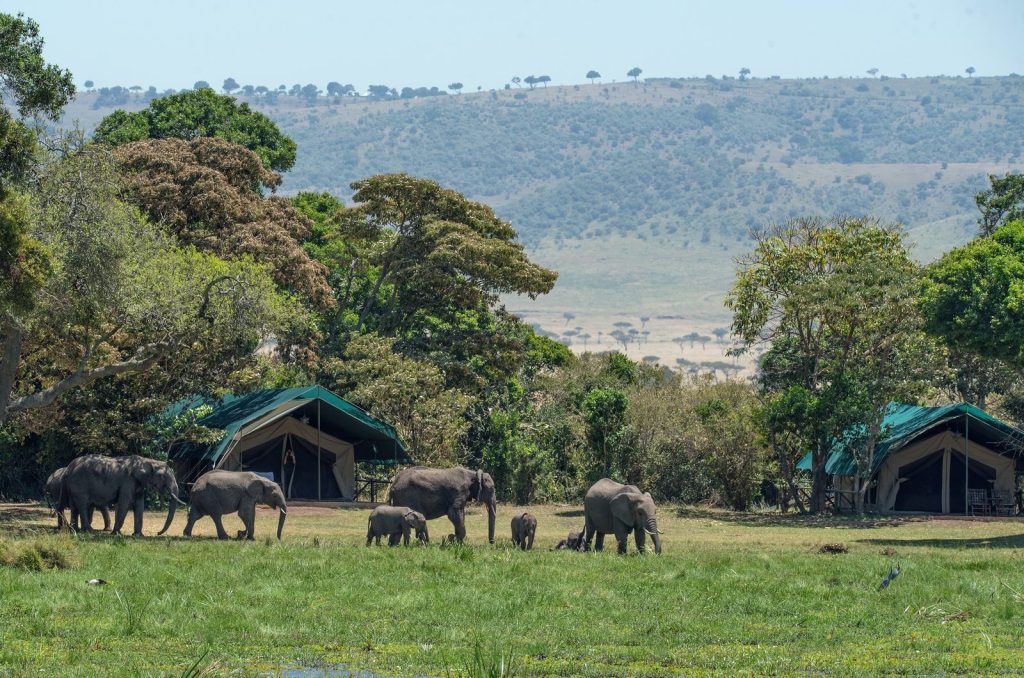
Linyanti is known for one of Africa’s highest elephant concentrations. During the dry months, very large herds gather along the Linyanti River and the Savuti Channel, and these breeding herds create some of the most dramatic game viewing in the region. Buffalo share the riverbanks and lagoon edges.
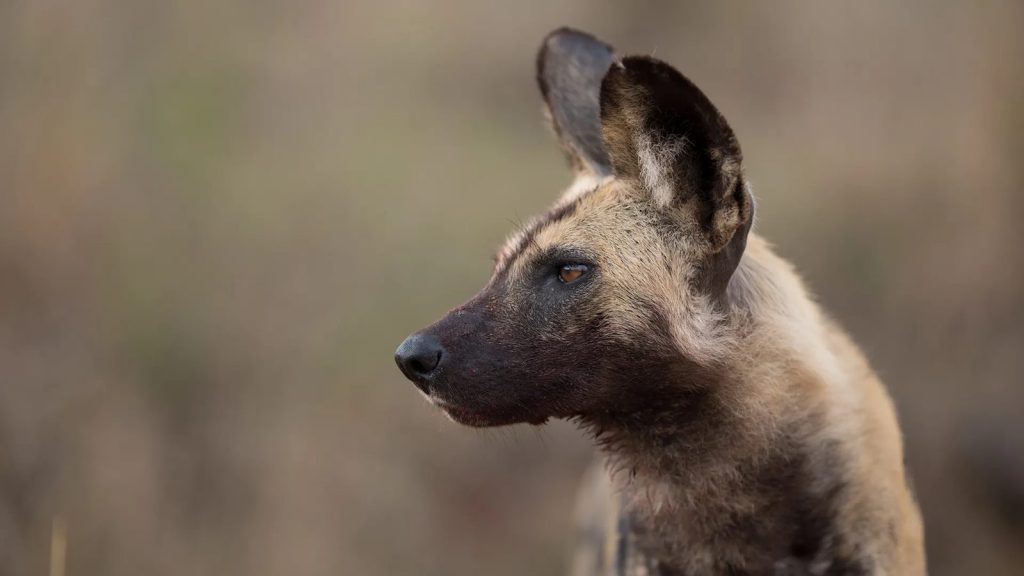
Linyanti is also known for exceptional predator viewing. Predators include lions, leopards, cheetahs, and African wild dogs. Lion prides work the floodplains and woodland edges, while leopards favor the dense riverine forests. Wild dog sightings can be notable because private concessions allow off-road tracking, which makes it easier to follow packs on the hunt, though no sighting is guaranteed. Spotted hyena are also regularly encountered, especially on night drives.
Beyond big predators, the region supports buffalo, kudu, and impala year-round. Rarer woodland specialists such as sable antelope and roan add diversity that you may not find in more visited parks. Linyanti is also acclaimed for birdwatching, with hundreds of species recorded, including carmine bee-eaters in summer and waterbirds along the channels.
Best Time to Visit Linyanti
Dry Season
The dry season from about May to October is ideal for wildlife viewing in Linyanti, especially in the winter months when animals concentrate near permanent water. As inland pans and seasonal streams dry up, animals gravitate toward the Linyanti River, marsh edges, and lagoons. Wildlife density tends to peak from August to October, when competition for water is most intense.
June and July offer excellent wildlife viewing with moderate temperatures. Mornings and evenings can be cold, so pack layers. As temperatures climb into September and October, game drive activity intensifies at waterholes and river crossings. This is when you will see the largest elephant aggregations and the most consistent predator action. For a country-wide view, read our guide to the best time to visit Botswana for safari.
> Water levels and wildlife patterns can shift year to year. Always confirm seasonal conditions with your camp before booking.
Green Season
The green season from about November to April is favorable for birding and newborn animals. Afternoon thunderstorms, lush vegetation, and a dramatic transformation of the landscape define the wet months. Migratory birds arrive in large numbers, making photographic safaris especially rewarding for birders.
Newborn antelope, including impala and zebra, appear across the floodplains during the rainy season, attracting predators. However, game is more dispersed and some roads may be impassable. Lower rates may apply during the green season, but camp availability varies, and some camps close during peak rains. Confirm dates and pricing directly.
Safari Activities in the Linyanti Reserve
The Linyanti region encompasses private concessions for exclusive wildlife experiences, and those concessions unlock activities that are generally not available in the national park. Here is what you can expect:
- Game drives. Open 4×4 game drives typically run twice a day, in the morning and afternoon. Off-road viewing is generally permitted in private concessions, so your guide can leave established tracks to follow wildlife.
- Walking safaris. Guided walks with an armed guide offer an immersive way to track animals on foot, giving you a perspective that no vehicle can replicate.
- Boating. Boat safaris along the Linyanti River offer a chance to spot wildlife from the water, and mokoro safaris explore shallow waterways of the wetlands. Both depend heavily on water levels, so confirm availability before your trip.
- Photographic safaris. Low vehicle density and unhurried sightings make this region ideal for photography. Guests at private camps rarely compete for position at a sighting.
Night Drives
Night drives offer a chance to spot nocturnal wildlife, including spotted hyena, leopard, and smaller species such as genets and civets. Night drives and off-road tracking are generally restricted inside Chobe National Park, while private concessions hold permits that allow them. Not every camp runs them every night, so confirm night-drive availability with your camp when you book.
Linyanti Reserve Compared With Chobe National Park
The differences between Linyanti’s private concessions and Chobe National Park come down to access, rules, and atmosphere.
| Feature | Linyanti (private concessions) | Chobe National Park |
|---|---|---|
| Off-road driving | Generally permitted | Generally not permitted |
| Night drives | Available at many camps | Generally not allowed |
| Walking safaris | Offered in many camps | Restricted |
| Vehicle density | Low | Higher, especially near Kasane |
| Pricing | Higher (charter flights, exclusive camps) | More budget-friendly options |
| Habitats | Marshes, lagoons, woodlands, floodplains | Primarily riverfront woodland |
Low vehicle density enhances the safari for travelers who want quieter, more personal sightings. Activity fees vary by camp, so compare what is included before you commit.
Getting to Linyanti
Most travelers reach Linyanti by air. Maun is the main gateway, with charter or scheduled light aircraft connecting to private airstrips near camps, and flights from Kasane are usually shorter. Flight times depend on the camp’s airstrip, so ask your camp or operator.
Light aircraft is the standard method for guests at private camps. Self-driving is possible in the dry season for experienced travelers, but it requires a 4×4, and roads are sandy, poorly maintained, and often impassable after rains. Fuel capacity, navigation skill, and recovery gear are essential. Private concessions generally do not allow self-drive access to their camps.
Choosing a Linyanti Safari Camp
Camp location shapes your experience. Riverfront camps offer sunrise drives along the river and dramatic wildlife viewing at the water’s edge. Lagoon or marsh-adjacent camps may offer boating when water levels allow. Camps set deeper in the woodlands can offer better morning predator encounters on the grassy plains and floodplains.
Linyanti offers exclusive luxury lodges as well as more rustic tented options. Camps such as DumaTau, King’s Pool, and Linyanti Tented Camp are often mentioned, but camp names, operators, availability, and pricing change. Always confirm camp details directly before you book.
Planning a Botswana Safari Itinerary
Most travelers who visit Botswana combine Linyanti with at least one other region for contrast. Pairing Linyanti with the Okavango Delta gives you both permanent river systems and seasonal inland delta experiences. Adding Chobe National Park lets you explore the Chobe River waterfront and its large elephant populations alongside Linyanti’s quieter concessions. Start your planning with our Botswana safari guide.
Many itineraries also extend to Victoria Falls in Zimbabwe or Zambia, a natural add-on when flying through Kasane. Aircraft schedules between camps and airports depend on weather and charter availability, so check schedules before booking. Road transfers between regions are also season-dependent.
Costs, Health, and Practical Considerations
Safari camps in the Linyanti reserve charge premium rates, particularly in the dry season from about July through October. Shoulder and green season rates tend to be lower, and single-room supplements may apply. Because pricing changes by camp and year, confirm fees directly with the camp before committing. For wider budgeting, see our Botswana safari cost guide.
Health. Northern Botswana, including the Linyanti region, is a malaria area. Risk is generally highest in the wet season and lower, but not zero, during the cold dry months. Ask a medical professional about prophylaxis. Use insect repellent, wear long sleeves in the evening, and sleep under bed nets where provided.
Packing. Early mornings in the dry winter season can be genuinely cold, so pack layers. Late dry-season days (September and October) bring heat. If you visit in the rainy season, bring rain gear and prepare for humidity.
Insurance. Remote camps lack medical facilities, evacuation flights generally operate only in daylight, and phone coverage is patchy. Travel insurance with emergency evacuation coverage is essential. Also check your camp’s luggage weight limits for light aircraft.
Botswana Linyanti Regional FAQs
Is Linyanti suitable for first-time safari travelers? Yes. The strong game viewing, expert guides, and low crowding make Linyanti a rewarding first safari. Just be prepared for rustic conditions at some camps and the realities of light aircraft travel.
Can independent travelers access private reserves? You can book directly with camps in private concessions, but access is controlled. You will fly in or be transferred with guides, and self-driving into private concessions is generally not possible. For a lower-cost alternative, public campsites in the Linyanti section of Chobe National Park may accept self-drive visitors. Confirm availability and fees with DWNP.
When does boating depend on water levels? Always. Boat safaris and mokoro excursions are only possible when the river, spillway, channel, or lagoons hold enough water. After strong rains, more waterways open up. During prolonged dry spells, boats may be unusable. Check with your camp.
Why should I confirm details with camps? Many camps operate seasonally. Water levels, flight schedules, included activities, rates, children’s policies, and even camp names can change. Confirm everything in writing before you finalize your itinerary, and compare two or three camps to find the one that matches your travel style.