
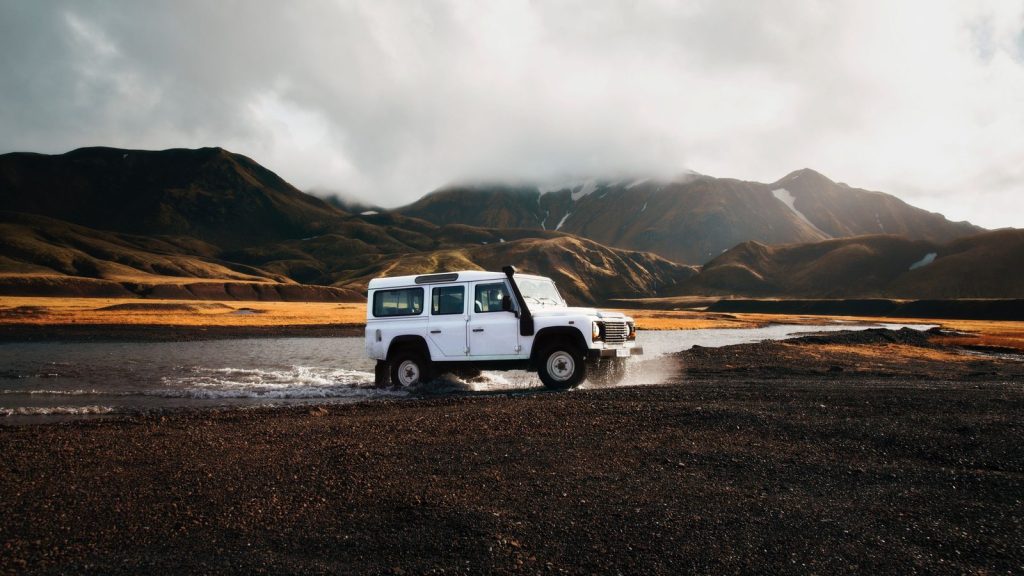
Botswana protects a huge share of its land for wildlife, and by common estimates it is home to the largest elephant population in Africa. A Botswana self drive safari puts you behind the wheel, with the freedom to explore at your own time and pace. This guide covers the rules of the road, the vehicle you need, camping, routes, safety and the risks to plan for. For the wider picture, start with our complete Botswana safari guide.
Why a Botswana Self Drive Safari Rewards Prepared Travelers
Botswana is landlocked and built around wilderness, so the parks feel vast, wild and largely free of crowds. Habitats range from the wetlands of the Okavango Delta to the dry expanses of the Central Kalahari. Animals concentrate around water in predictable patterns, which makes for great sightings even without a professional guide.
A self drive gives you total independence. You choose when to wake, where to linger and how long to stay at a waterhole. There are no group schedules.
The appeal comes with real challenges. Park tracks are remote, with deep sand that demands skill. Mobile reception is absent across much of the wilderness, and you must be fully self-sufficient for food, water and fuel. If you are willing to plan carefully, the rewards are significant.
Self Drive Versus Guided Safaris
A self drive delivers flexibility no group tour can match. You pull over for a leopard and stay as long as you like, or skip a crowded waterhole for a quieter one.
Guided safaris bring expertise. Guides know where wildlife tends to be, which tracks are passable and which hidden waterholes are flowing. For many travelers the best option is a mix: drive yourself between campsites or lodges, then hire local guides for boat cruises, mokoro trips or game drives where local knowledge makes a measurable difference.
Be honest about your off-road experience. Deep sand driving is a specialized skill. If you have never lowered tire pressure for traction or navigated a trackless pan, practice before you arrive or start in easier areas such as the Chobe Riverfront or the Moremi South Gate area before tackling Savuti or the Central Kalahari.
Planning a Drive Safari in Botswana
Choose your destinations before booking campsites or lodges. Chobe, Moremi, the Central Kalahari, Makgadikgadi and Nxai Pan differ enormously in access difficulty, wildlife density and seasonal conditions.
Allow generous travel time and do not attempt long transfers in a single day. A distance that looks short on the map can take much longer off-road, and after rain you should plan on far more time than usual.
- Moremi South Gate to Third Bridge: a short distance by map, but plan on a couple of hours or more.
- Khwai to Savuti: a long half day on sandy tracks.
- Maun to Kasane via Moremi and Savuti: a multi-day journey, not a single drive.
Build backup plans into every stage. If a track is closed, a gate is inaccessible or campsites are full, you need alternatives. Campsites in the most popular parks often book out months ahead in the dry season, so reserve early, and confirm road access shortly before departure through recent traveler reports or park offices.
Choosing a Vehicle for a Botswana Self Drive
Plan on a high-clearance 4×4. Soft-roaders and crossovers are likely to struggle in Moremi, Savuti or the Central Kalahari.
When selecting or renting a vehicle, look for:
- High ground clearance for sand, water crossings and rutted tracks
- Underbody protection
- A dual battery setup for a fridge and charging
- A rooftop tent or camping configuration
- Extra fuel capacity, because there is no refueling inside the parks
Ask the rental company about recovery equipment. At a minimum you want snatch straps, shackles, a jack suited to off-road use, a tire compressor and a full-size spare. Ask them to show you how to use each item before you leave.
Tire pressure management matters in soft sand. Ask your rental provider for the pressures they recommend for sand and for gravel and tar, and check tread and sidewalls on every tire, including the spare.
Confirm that insurance covers remote-area use. Standard cover often excludes tires, windscreens and underbody damage, so ask what is and is not included. Terms vary by company.
Botswana Self Drive Routes and Itinerary Ideas
Short independent trips can center on Maun, the gateway to the Okavango Delta, on Moremi’s South Gate or on the Chobe Riverfront near Kasane. These areas are relatively accessible and well serviced.
A longer northern loop often follows this order:
- Start in Maun.
- Drive north into Moremi Game Reserve.
- Continue through Khwai to Savuti.
- Cross into Chobe National Park.
- Finish in Kasane.
From Kasane, many travelers continue to Victoria Falls or loop south through Nata and the Makgadikgadi Pans before returning to Maun.
A southern route through the Central Kalahari adds stark contrast. Open plains, desert-adapted wildlife and very few visitors define it. Distances between camps are long and services are sparse, so plan multi-night stays.
Combining driving days with guided activities opens areas a vehicle cannot reach. Mokoro trips in the Okavango Delta and boat cruises on the Chobe River offer a completely different view of the wildlife.
Parks and Reserves for a Self Drive
Chobe National Park Is the Easiest Starting Point
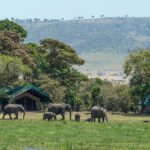
Chobe is one of the most visited parks in the country. The riverfront draws elephants, buffalo and hippos to the water, especially in the dry season, and boat cruises let you see animals from the water. Our Chobe National Park guide covers the park in detail.
Savuti, in the park’s south, offers open marsh, predator-rich plains and fewer vehicles. Tracks include deep sand, so a 4×4 is essential. Expect some congestion near popular water points in peak months, and plan early drives to avoid the crowds.
Moremi Game Reserve Is Rewarding but Demanding
Moremi covers a large part of the Okavango Delta and offers floodplains, woodland, lagoons and open savanna in one reserve. Tracks turn muddy after rain, and water crossings that are modest in the dry season can be dangerous when swollen. Read more in our Moremi Game Reserve guide.
Confirm gate access and campsite availability before you arrive. Moremi fills quickly in peak season, so arriving without a reservation is a risk you do not want to take.
The Central Kalahari Rewards Patient Drivers
The Central Kalahari Game Reserve is one of the largest protected areas in the world and one of Botswana’s best places for solitude. Black-maned lions, brown hyenas and meerkats live among its open pans and endless sky.
Animals are more dispersed than in the water-rich north, so game viewing is slower. Stay two or three nights at one campsite and let the landscape reveal itself.
Nxai Pan and Makgadikgadi Fit Longer Itineraries
Nxai Pan links the northern parks with the Makgadikgadi, and its open landscape changes dramatically between seasons. Zebra herds make one of the longest land migrations in Africa across this region, usually from the green season into the dry months, depending on the rains. Driving onto the salt pans without a guide carries real risk, because a hard crust can hide soft mud beneath.
Safety Tips for a Drive Safari
Drive only in daylight. Elephants and other animals are often on or near the road at dawn and dusk, and roads have little signage or reflectors. If you are delayed, stop and rest rather than driving in the dark.
Respect elephant warning behavior. If elephants block the road or mock charge, with ears spread and head raised, give them space. Do not rev the engine or force your way through. Back away slowly and wait.
Stay in the vehicle near wildlife. Many campsites are unfenced, so avoid walking alone after dark and use a torch carefully between your tent and the vehicle.
Carry emergency communication. A satellite phone or a personal locator beacon is strongly advisable in remote areas, along with saved waypoints. Traveling with a second vehicle is wise in the most remote regions.
Camping and Supplies
Camping is central to most self drive trips. Plan food for several nights without resupply, carry more drinking water than you think you need, and keep everything in sealed, hard-sided containers locked in the vehicle overnight. Hyenas, honey badgers and elephants regularly pass through unfenced sites.
Fuel stations can be sparse and there is no fuel inside the parks, so fill up at every opportunity in towns. Sand driving burns far more fuel than tar, so understand your vehicle’s range under load.
Navigation and Road Conditions
Carry a physical map and a GPS with offline maps and saved coordinates for campsites, gates, fuel stops and hospitals. Tar highways between Gaborone, Francistown, Nata, Maun and Kasane are generally good, but park tracks change with the seasons. Bridges may be closed, watercourses shift and a road that was passable last month can be flooded today.
Check recent conditions from other travelers or park offices shortly before your trip. A fresh trip report is often worth more than a guidebook.
Seasons for a Botswana Self Drive
Dry season (roughly May to October): this is the best time for game viewing and for driving, because animals concentrate around permanent water and tracks are more accessible. It is also peak season, so book vehicles and campsites well ahead. Our guide to the best time to visit Botswana breaks it down month by month.
Wet season (roughly November to April): lush landscapes, migratory birds and newborn animals are the draw, but many tracks become impassable and sand turns to mud. Crowds and rates are often lower, while driving difficulty rises sharply. Malaria risk is higher in the north in the wet months, so speak with a travel clinic before you go.
Shoulder months: the weeks around the rains bring fewer visitors and unpredictable conditions, which can suit experienced self-drivers who accept some uncertainty.
Border Crossings and Regional Extensions
If your route includes Namibia, Zimbabwe or Zambia, allow extra time at borders. Confirm vehicle documentation well ahead. Rental companies usually need to issue authorization for cross-border travel, and you may need temporary import permits and separate insurance for each country. Rules change, so verify them with your rental company and the relevant authorities.
Veterinary checkpoints on Botswana’s roads restrict the movement of meat and animal products in some areas, so ask before you pack your cooler. Also check entry requirements for your passport in our Botswana visa guide.
Campsites or Lodges
Campsites are cheaper and more immersive, but many are basic, with a cleared patch, a fire pit and sometimes a simple toilet. Lodges offer comfort, hot showers and often guided activities, and they can unlock areas like the Okavango Delta that are hard to reach by vehicle alone. Cancellation terms vary by provider, so verify them before you pay.
For boat cruises, mokoro trips and walking safaris, book through reputable local operators or your lodge.
Costs and Practical Planning
Botswana is often one of the more expensive safari destinations in Africa, and a self drive is one of the ways to manage that. Fees and rates change often, so treat any figure you read, including ours, as a starting point and confirm current prices before you book. Our Botswana safari cost guide compares the main safari styles.
Budget categories to plan for:
- Vehicle rental, insurance and excess
- Fuel, which is a separate and significant expense
- Park entry and camping fees, which differ for residents and visitors and can change
- Food and supplies
- An emergency fund for recovery or unexpected route changes
Botswana Self Drive Packing Checklist
Temperatures swing from hot days to cold nights, so pack in layers.
- Clothing: breathable day layers, a warm jacket, a wide-brim hat, long sleeves and sturdy closed shoes.
- Optics and electronics: binoculars, a camera with a zoom lens, a satellite phone or locator beacon and a portable charger.
- Health: a broad first-aid kit, insect repellent, water purification and prescription medicines. Ask a doctor about malaria prevention.
- Vehicle: a full-size spare, a compressor, a puncture repair kit, recovery straps, extra fuel and water, and a paper map.
This is not a trip where you can pick up forgotten items at the next town. Pack as if the nearest store is two days away, because in some parks it is.
Final Planning Checklist
- Verify road conditions, weather and gate rules shortly before departure.
- Confirm campsite and lodge reservations in writing.
- Check that your vehicle is fully equipped and inspected.
- Test your emergency communication gear.
- Set realistic daily distances that allow for sand, wildlife stops and delays.
Travel responsibly. Do not approach wildlife on foot, pack out all garbage, manage campfires carefully and follow park rules.
A Botswana self drive safari is not a casual road trip. It is a proper adventure through some of the last great wild places in Africa. Prepare well, book early and verify conditions close to departure, and you will understand why a safari on your own terms is worth the effort.