
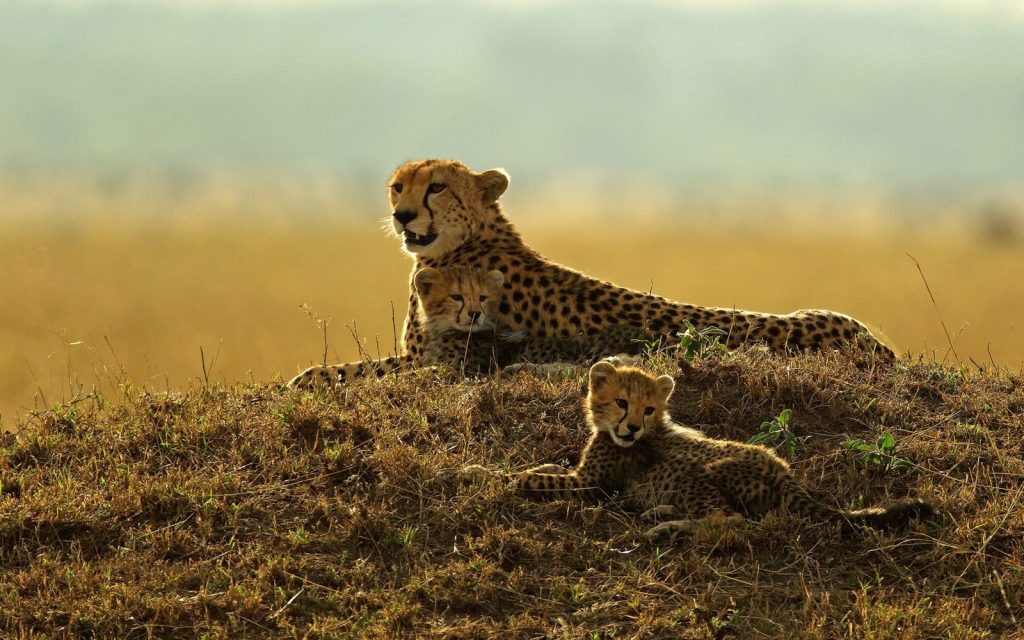
A Botswana 14 day itinerary is a 2 week safari from Maun to Kasane that covers the full northern circuit at a relaxed pace: the Okavango Delta and Moremi Game Reserve, then Savuti and the Linyanti area, along the Chobe River, and finally a day trip to Victoria Falls. For travelers planning an ultimate safari in Botswana, this route gives you enough time to spend two to three nights in each region, so you see changing landscapes from flooded channels to open savanna to riverfront woodland without rushing.
This guide lays out the trip day by day, with the main regions, wildlife-viewing rhythm, transfer logistics and flights, plus practical planning details such as seasonal timing, packing, and border requirements for the Victoria Falls excursion. Transfers are described in general terms, because flights and rates change, so confirm every detail with your operator.
Key takeaways
- This 14 day Botswana safari runs one way from Maun to Kasane, with a day trip to Victoria Falls near the end.
- The dry season, roughly June through October, usually gives the best wildlife viewing and is also peak season, so popular camps can sell out well in advance.
- Most remote camps are reached by light aircraft, with luggage limited to soft bags.
- Two weeks allows time for water activities, big cat country, elephant rivers, and a rest day.
- Confirm flights, visas, and prices with official sources before you book.
Botswana trip overview
Your trip begins in Maun and ends in Kasane, covering the length of northern Botswana’s safari circuit. The two anchor points are the Okavango Delta and Chobe National Park, and between them you pass through Moremi Game Reserve, the predator plains of Savuti, and the quiet private concessions of Linyanti. Botswana is known for contrasting landscapes, from wetlands to desert, and this route samples the best of the north.
Best months: the dry season, from about May to October, is the main safari window, because wildlife gathers near water. The delta flood usually arrives in the middle of the year. The green season, roughly November to March, is better for lush scenery and birdlife, though some roads become difficult.
Costs: Botswana follows a low-volume, high-value tourism model, so safaris often cost more than in some other African countries. Shared departures can spread vehicle costs and often cost less than private trips. Park fees and overnight concession fees also affect the total. Rates vary widely by season, camp style, and group size, so see our Botswana safari cost guide and ask operators for current quotes.
Planning notes: many remote camps can be reached only by light aircraft or guided 4×4 transfers, and parks are quiet because of low-impact tourism policies, which means fewer vehicles at sightings but also fewer beds. That same model also supports responsible tourism and community-led experiences.
Two week Botswana itinerary at a glance
| Days | Region | Transfer |
|---|---|---|
| 1 | Maun | Airport transfer |
| 2 to 4 | Okavango Delta | Light aircraft in |
| 5 to 6 | Moremi Game Reserve | Charter or 4×4 |
| 7 to 8 | Savuti | Charter or 4×4 |
| 9 | Linyanti | Charter or 4×4 |
| 10 to 11 | Chobe National Park | Road or charter |
| 12 | Kasane rest day | Short drive |
| 13 | Victoria Falls day trip | Road transfer |
| 14 | Departure from Kasane | Airport transfer |
Day 1: Arrive in Maun
Maun is the main gateway to the Okavango Delta, and most travelers arrive through Johannesburg. Use the afternoon to relax, repack into a soft bag for charter flights, charge camera batteries, and confirm your transfer for the next morning. Our Maun airport guide explains what to expect on arrival.
Day 2: Fly into the Okavango Delta
Board a light aircraft for a short flight into the Okavango Delta, the world’s largest inland delta and a UNESCO World Heritage Site. The flight itself is a highlight, with braided channels and palm-studded islands below. After lunch, take a first mokoro trip, poled silently through papyrus beds and past water lilies, perhaps with red lechwe along the floodplain edge. A mokoro is a traditional dugout canoe guided quietly through the reeds by a local poler.
Day 3: Explore the delta by water and on foot
Start with an early mokoro outing through narrow channels, stopping at islands for short walks. Bird watching is exceptional here. In the late afternoon, a walking safari with a trained guide shows tracks, dung beetles, and plants that you would miss from a vehicle. Walking is only allowed in certain concession areas, not inside national parks.
Day 4: Game drives in the delta
Today focuses on dryland game drives. Get an early start to catch animals at their most active, and look for elephants near permanent water, giraffes, zebra, and tsessebe on the floodplains. Some camps on private concessions offer night drives, where you may see genets, civets, and spring hares, along with nocturnal animals after sunset.
Day 5: Transfer to Moremi Game Reserve
Fly or drive to Moremi Game Reserve on the eastern edge of the delta, widely considered one of Africa’s richest wildlife areas. After settling in, take an afternoon game drive through mopane woodland, floodplain, and dry savanna. Lagoons act as gathering points, so expect buffalo, hippos, and many antelope.
Day 6: Full day of wildlife viewing in Moremi
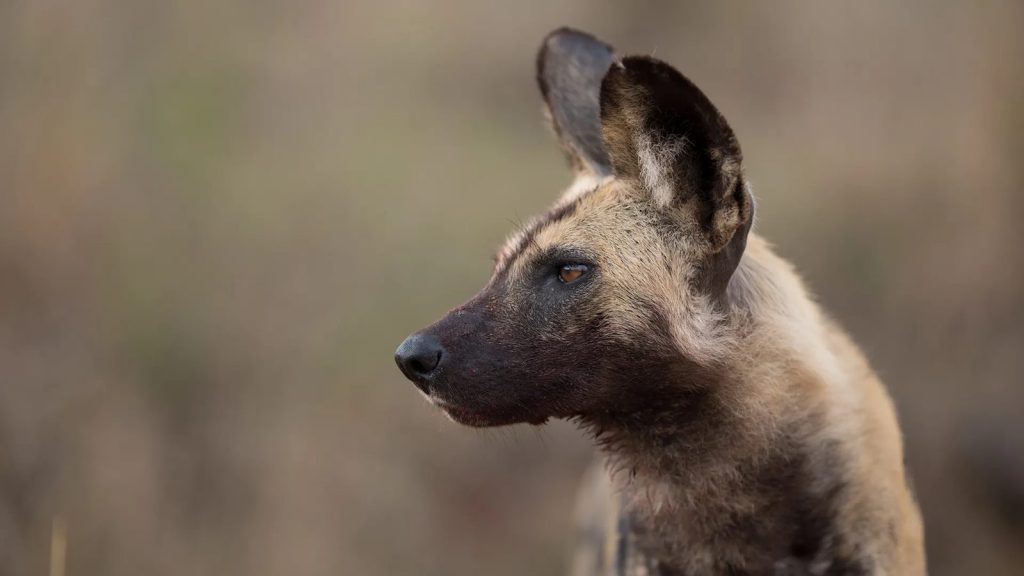
Spend a full day on game drives. Moremi is known as a good place to look for African wild dogs, and in the dry season their denning behavior can make these elusive predators easier to find, alongside lions, leopards, and buffalo herds. A strong guide makes the difference between a good and a great sighting, so follow their lead. Finish with a sunset photo stop overlooking a lagoon.
Day 7: Enter Savuti
The transfer from Moremi to Savuti takes several hours on sandy roads, or you can take a short charter flight. Savuti lies in the western part of Chobe National Park and centers on a marsh and channel that has dried up and resumed flow over the decades. When water is present, prey and big cats follow. When dry, the open plains become a stage for predator drama. Take an afternoon game drive to begin exploring.
Day 8: Predator tracking in Savuti
Spend the day on game drives focused on predators. Lions are the headliners, and guides read vulture activity, tracks, and territorial signs. Watch for spotted hyenas, cheetahs on the open flats, and perhaps wild dogs. Bring a good zoom lens, because the open terrain gives uncluttered photos.
Day 9: Linyanti concession
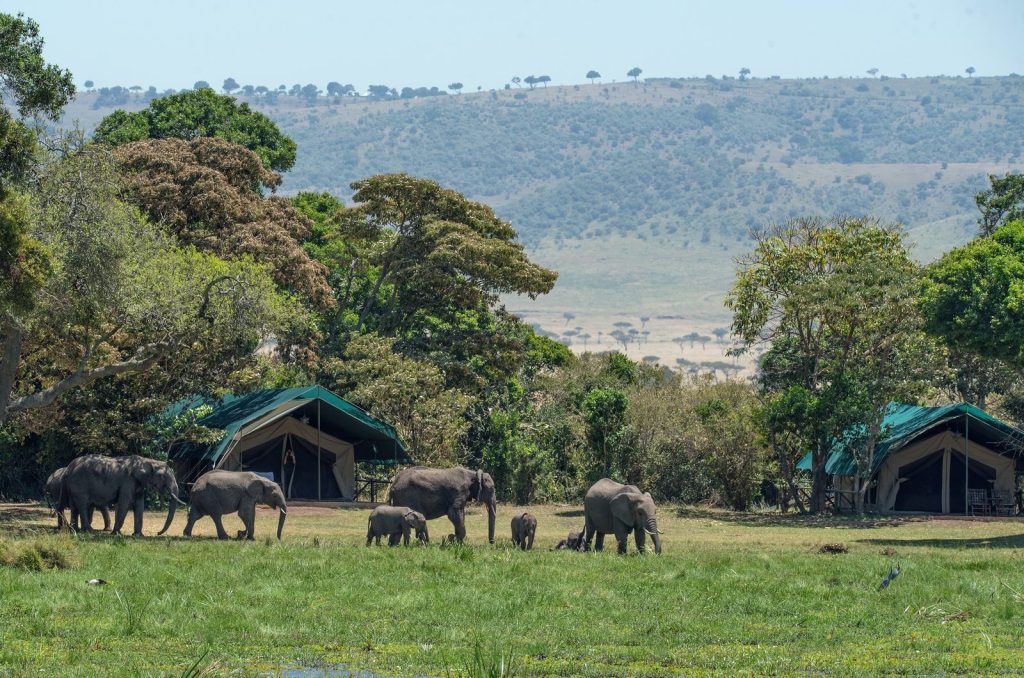
Transfer to a private concession along the Linyanti river system, by several hours of driving or by charter. Linyanti is quieter and more exclusive than Savuti, and private concessions often allow walking safaris, night drives, and off-road tracking. In the dry months, elephants gather along the river in large herds. You may also spot sitatunga, waterbuck, and reedbuck on the swamp fringes.
Day 10: Chobe game drives
Transfer to the Chobe riverfront near Kasane. Chobe is known for large elephant herds, and in the dry season they gather along the river to drink and bathe. Spend the day on game drives in the riverfront zone, with a picnic stop during the midday heat. Our Kasane airport guide covers arrival and onward flights.
Day 11: Chobe River safari
Take a boat cruise on the Chobe River for a view no vehicle can match. You can see hippo pods, crocodiles on sandbars, and elephants on the shore, and the birdlife includes fish eagles, kingfishers, herons, and storks. Return for afternoon boat trips or a sunset cruise when the light turns the river gold.
Day 12: Rest day in Kasane
After nearly two weeks of early starts, use this day to rest, do laundry, and browse the small local market. Confirm your border paperwork for tomorrow, and check that your passport has enough validity and blank pages. Some lodges offer short game drives or birding walks if you want one more round of wildlife.
Day 13: Victoria Falls day trip
Victoria Falls lies across the Zimbabwe border from Kasane, and the border crossing usually takes roughly an hour or more with formalities. Check the border’s opening hours, allow extra time in busy periods, and confirm visa rules for your nationality. A regional visa for Zimbabwe and Zambia has been offered in the past, so confirm whether it is currently available. If you cross with a rental vehicle, you will need proper authorization from the rental company.
Walk the gorge viewpoints, where water flow varies by season, and consider optional activities such as a helicopter ride or white water rafting, which are best booked ahead in peak season. Our Victoria Falls guide covers planning in more detail. Return to Kasane in the evening, leaving time to clear the border before it closes.
Day 14: Depart from Kasane
Arrange airport transport in advance, and on the final day confirm that your international flights line up with regional departure times. Allow contingency time, because schedules at small airports can shift. If you have a late flight, a final riverfront game drive is a fitting way to close two weeks in the bush.
Botswana safari planning tips
Lodges versus mobile camps: fixed lodges offer consistent comfort, while a tented camp can still be very comfortable, and better mobile setups use large tents with proper beds and private bathrooms for a more immersive experience. A mid-range safari often mixes lodges and mobile camping well for a first visit.
When to fly in: camps deep in the delta or in remote concessions usually need a charter flight. Fly-in safaris save hours of driving, though luggage limits are tight. Botswana also suits self-drive 4×4 camping expeditions for experienced travelers. Overland transfers work fine near Moremi’s edge and the Chobe riverfront.
Booking: local operators know the roads, airstrips, and seasonal conditions, so compare several before you book.
Insurance: carry travel insurance with medical evacuation cover, because many camps are hours from a hospital.
Game drives versus water activities
Game drives work best in the dry season, when animals gather near water. Mokoro trips work best when floodwaters are present, usually in the middle of the year in the inner delta. Boat safaris on the Chobe River run most of the year, with the highest wildlife concentrations in the dry months.
Central Kalahari and Makgadikgadi alternatives
If you want a very different landscape, the Central Kalahari Game Reserve offers desert plains and ancient river valleys within the arid Kalahari Desert, with a quiet safari rhythm. Guided walks can also introduce the cultural heritage of the San people. To fit it in, trim a day or two from the delta or Chobe and add a detour from Maun. The Makgadikgadi salt pans are another option, known for surreal scenery and, in the wet months, a zebra migration between Makgadikgadi and the Okavango.
What to pack for a 14 day Botswana safari
- Neutral-colored lightweight clothing in khaki, olive, or tan.
- Warm layers for cold mornings, especially in the middle of the year, when early drives in open safari vehicles can feel especially cold.
- A wide-brimmed hat, sunglasses, and sunscreen.
- Binoculars, a camera with a good zoom lens, and a headlamp.
- Insect repellent, a basic first-aid kit, and any malaria medication your doctor recommends.
- A soft duffel bag within light aircraft limits, commonly around 20 kg.
Final checklist before you go
- Confirm every camp transfer, including pickup points and luggage allowances.
- Verify border documents for the Victoria Falls day trip, and read our Botswana visa guide.
- Review how to reach the country in our guide on how to get to Botswana.
- Save emergency and insurance contacts offline.
For the wider picture of the country, start with our Botswana safari guide.