

Botswana and South Africa are both outstanding safari destinations, but they deliver very different trips. The right choice depends on what you value most: privacy or convenience, pure immersion or a mixed trip, and complex logistics or straightforward travel.
Botswana offers remote, immersive wilderness with fewer visitors, fly-in camps and water-based activities. South Africa offers easier logistics, strong Big Five viewing, a wider range of lodge styles and budgets, and the chance to add cities, coast and wine country to the same trip. This guide compares wildlife, landscapes, cost, access, safari style and timing. For deeper country guides, see our Botswana safari guide and our South African safari guide.
What Makes Each Destination Unique
Botswana Offers Immersive Wilderness and Low-Volume Safaris
Botswana follows a high-value, low-volume tourism model. Parks and private concessions are vast, camps are small and visitor numbers are tightly managed. You may not see another vehicle all morning, and the country’s low population density adds to the sense of space.
Key areas include the Okavango Delta, the world’s largest inland delta, along with Chobe National Park, Linyanti, Moremi Game Reserve, the Makgadikgadi Pans and the Kalahari. The typical safari involves light-aircraft hops between remote airstrips, soft luggage limits and camps reachable only by air or water. That isolation is a defining quality, though non-safari activities are more limited, with no big coastal city or wine region.
South Africa Offers Classic Big Five and Variety Beyond Safari
South Africa is ideal for combining a safari with other experiences. You can move from a private reserve where leopards lounge in trees to Cape Town’s waterfront, the Cape Winelands or the Garden Route in a single trip.
Top safari regions include Kruger National Park and the private reserves bordering it, as well as Madikwe and several Eastern Cape reserves. Many private reserves allow off-road drives and night drives, and many lodges offer walking safaris. Roads are better connected, domestic flights are frequent and transfers from major cities are shorter. Self-drive safaris are practical and popular in public national parks.
Wildlife and Game Viewing: What Will You Actually See?
Big Five and Predators
South Africa offers reliable Big Five sightings, especially in the private reserves bordering Kruger, where guides often know individual leopards and the animals are habituated to vehicles. Rhinos are more commonly seen in South Africa than in Botswana, although poaching has affected populations and some reserves limit information about their locations.
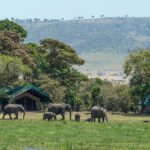
Botswana is known for its huge elephant herds, with the northern population commonly estimated in the tens of thousands. Lions are common in the Delta and Linyanti, and African wild dog sightings are a genuine highlight. Rhinos are concentrated in just a few protected areas, and predators can be less predictable because they are generally less used to vehicles. Botswana feels wilder and more exploratory.
Unique Species and Special Interests
Botswana offers specialties that are hard to find elsewhere: red lechwe and sitatunga in the Delta channels, meerkats on the Makgadikgadi Pans and enormous buffalo and elephant gatherings along the Chobe River in the dry season. The zebra migration across the Makgadikgadi and Nxai region is among the longest in Africa, and green-season birding can be exceptional.
South Africa’s strengths extend beyond the bush. Along the coast you can add marine wildlife such as whales, seals and penguins. On land, cheetahs are accessible in selected reserves, and varied habitats support wide biodiversity. Photographers may find tighter framing and more animals per drive in South Africa, while Botswana offers dramatic floodplain backdrops and wide horizons.
Overall Game-Viewing Style
South Africa’s private reserves tend to deliver high-density, predictable viewing, which suits travelers with limited time. Botswana rewards patience and longer stays, especially in the dry season when animals concentrate near permanent water. With only a few nights, South Africa usually delivers more sightings per hour. With more time and a taste for quiet, Botswana takes the edge.
Landscapes and Atmosphere
Botswana Offers Water and Desert Contrasts
The Okavango Delta is fed by floodwater from Angola, which spreads across floodplains, channels and lagoons. The flood typically peaks from around June to August, when the surrounding bush is at its driest, creating striking contrasts. Botswana is largely flat, which gives enormous skies and uninterrupted horizons. The Kalahari and the Makgadikgadi Pans add ancient salt flats and exceptional stargazing.
South Africa Offers Varied Backdrops
The Kruger region delivers classic bushveld of savanna, riverine woodland and granite koppies. Elsewhere you find mountains and rolling hills, the Cape coastline with cliffs and beaches, and the Winelands with vineyards an hour from Cape Town. This variety suits travelers who want more than one landscape in a two-week trip.
Safari Style: Camps, Vehicles and Daily Rhythm
Accommodation Differs Between Tented Camps and Lodges
Botswana’s accommodation typically means small, luxurious tented camps with canvas walls, raised decks and often only a handful of rooms. Amenities can be excellent, but you are less likely to find solid walls, air conditioning or full spas. Charter flights usually require soft bags with tight weight limits, so confirm the current limit with your operator.
South Africa’s lodges range from budget rest camps inside national parks to ultra-luxury private reserves with suites, plunge pools and spa treatments, plus plenty of mid-range options and guesthouses near park gates. Most are reachable by road or a short domestic flight, so packing limits are generally lighter.
Vehicles, Guiding and Activities
Both countries use open 4×4 vehicles with a guide and sometimes a tracker. Night drives and walking safaris are offered in private concessions in both, typically as short interpretive walks.
Botswana adds water-based experiences: mokoro canoe trips in the Delta, motorboat game viewing and sunset cruises on the Chobe River. Mobile safaris, where you move between temporary camps, are also more common in Botswana. South Africa’s activities are more land-focused, though the infrastructure supports flexibility, and some reserves offer mountain biking, horseback riding or cultural visits.
Social Atmosphere and Pace
Botswana camps tend to emphasize communal meals, fireside drinks and a real sense of being in camp, with limited connectivity that many find liberating. Some South African lodges feel more like boutique hotels in the bush, with private dining, spas and structured programming, which suits groups, families and mixed-interest parties.
Access and Logistics: How Easy Is It to Get There?
Reaching South Africa’s Safari Areas
Most long-haul routes arrive in Johannesburg or Cape Town. From Johannesburg, short domestic flights reach regional airports near Kruger, and some reserves are a half-day drive from major cities. Self-drive is practical for confident drivers. South Africa also has malaria-free reserves, particularly in the Eastern Cape, which can simplify health planning for families.
Reaching Botswana’s Safari Areas
Most Botswana itineraries route through Johannesburg, then on to Maun or Kasane. From Maun, small charter planes reach Delta airstrips, with schedules that depend partly on weather and water levels. Road access inside reserves is limited and often needs a serious 4×4, so independent self-drive is far more adventurous than in South Africa. Our Botswana self drive safari guide explains what it takes. Charter transfers add cost and transit time, and a stay of fewer than four nights can feel rushed. Entry requirements depend on your passport, so check our Botswana visa guide.
Budget: How Far Does Your Money Go?
Costs vary widely within each country and shift with exchange rates, fuel prices and season, so treat the following as general patterns and confirm current prices before you book.
Botswana Is Usually the Higher-End Option
Botswana’s low-density model keeps nightly rates high. Fewer beds per concession, reliance on charter flights and the cost of supplying remote camps all contribute. Even in the green season, when many camps discount, a Botswana safari seldom feels inexpensive. Travelers who choose it prioritize intimacy, uncrowded sightings and fly-in adventure. Our Botswana safari cost guide breaks down what drives the price.
South Africa Fits a Wider Range of Budgets
South Africa offers a broader spread of accommodation, from simple rest-camp bungalows to ultra-luxury lodges. Self-drive itineraries through public national parks can cut costs substantially. Even at the top end, South African lodges often cost somewhat less per night than comparable Botswana fly-in camps, although the top tiers overlap. The real difference is flexibility: you can save on some legs and splurge on others.
When to Go: Seasons and Safari Conditions
Botswana’s Dry Season and the Okavango Flood Cycle
Botswana’s dry season runs roughly May to October. Vegetation thins, animals gather near permanent water and predator visibility improves. The busiest months, around June to August, overlap with the Delta flood peak, which suits mokoro and boat trips. See our best time to visit Botswana guide for more.
The green season, roughly November to April, brings rain, lush scenery, superb birding and newborn animals, often with discounted rates. Some roads become impassable, some flights are less reliable and a few camps reduce services.
South Africa’s Safari and City Seasons
South Africa’s dry season, roughly May to September, delivers the strongest game viewing in the Kruger region, when foliage is sparse and animals gather at shrinking water. Summer brings afternoon thunderstorms, thicker bush and lower rates. Cape Town has almost the opposite pattern, with warmer and drier weather from about November to March. To combine safari and coast, the shoulder months of March to April or October to November often balance both.
Who Is Each Destination Best For?
Choose Botswana If You:
- Prefer remote, uncrowded camps and care little about cities, wine or beaches.
- Enjoy small planes, water-based activities and disconnecting.
- Can put a larger share of your budget toward wildlife and stay at least four to six nights across two areas.
- Are a repeat safari traveler or serious photographer who wants natural animal behavior.
- Want wild dogs, red lechwe, sitatunga or huge elephant herds.
Choose South Africa If You:
- Are planning a first safari and want strong Big Five odds in a short stay.
- Need simpler logistics, perhaps with kids or older relatives.
- Want to combine safari with Cape Town, the Winelands or the coast.
- Have a fixed budget and want room to save in some places and splurge in others.
- Value malaria-free reserves, especially for young families.
Combining Both Works With Enough Time
With at least 10 to 12 nights, you can start in a private reserve near Kruger for classic Big Five viewing, add a Delta or Chobe stay for water and wilderness, and finish in Cape Town or on the coast. Johannesburg is the natural hub, so multi-country routing is straightforward.
Planning Your Safari: Practical Steps
Step 1: Clarify Your Priorities
Rank what matters most: wildlife density, solitude, non-safari activities, budget flexibility, ease of travel or particular species. If water activities and immersion top your list, Botswana pulls ahead. If variety, accessibility and budget control matter more, South Africa is likely the better fit.
Step 2: Match Your Dates to the Destination
Pick your travel window first, then check which areas are in good condition then. Dry-season months overlap in both countries, but the Okavango flood cycle, green-season discounts and coastal weather create distinct windows.
Step 3: Decide on Trip Structure
- South Africa focused: a few nights in Cape Town or the Winelands, then one or two reserves near Kruger or in Madikwe.
- Botswana focused: two contrasting areas, such as a Delta camp plus Chobe or the Kalahari.
- Combination: a South African reserve for Big Five reliability plus a Botswana water concession for wilderness.
Plan at least three nights per camp or lodge, because shorter stays often mean more time in transit than on drives.
Step 4: Choose Independent or Hosted Travel
In South Africa, independent travelers can mix self-drive, city days and lodge stays with ease. In Botswana, most travelers rely on camp logistics and charter flights. Planning independently is possible but takes more research and flexibility, and a local specialist who understands flight sequencing and seasonal camp openings can save money and frustration.
Botswana vs South Africa at a Glance
- Botswana: water wilderness, space and fewer people.
- South Africa: reliable Big Five, variety beyond safari and easier DIY planning across budgets.
- Both: for travelers with more time who do not want to choose.
Use your priorities, timing and comfort with logistics to decide. Whether you end up in a mokoro in the Okavango Delta or watching a leopard descend a marula tree near Kruger, both countries deliver safaris that stay with you.
Frequently Asked Questions About Botswana vs South Africa Safaris
Is Botswana or South Africa Better for a First Safari?
Many first-timers find South Africa easier because of simpler logistics, more accommodation choices and a forgiving road network. Confident travelers with a bigger budget can absolutely start with Botswana.
Which Is Safer for Independent Travelers?
In both countries, safety on safari depends largely on following lodge and park guidance. Botswana’s remote camps are very safe, though medical facilities may be far away. In South Africa’s cities, normal big-city awareness is needed. Check current travel advisories before you go.
Can I Do a Self-Drive Safari in Botswana or South Africa?
South Africa’s national parks, especially Kruger, have maintained roads and support services that suit self-drive newcomers. Botswana self-drive involves sand, water crossings and remote camping, and suits experienced 4×4 travelers.
How Many Nights Should I Plan in Each Country?
Aim for at least three to four nights in one area, and six to eight in total if splitting between two. In Botswana, short stays can feel rushed because of flight logistics.
Do I Need Malaria Precautions?
Northern Botswana and much of the Kruger region are malaria-risk areas in certain seasons, while South Africa has malaria-free reserves, notably in the Eastern Cape. Speak with a travel health professional before deciding on prophylaxis.