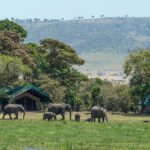


A South Africa safari combines Big Five wildlife viewing in reserves like Kruger National Park with city time in Cape Town, coastal scenery, and vineyards. Most first time visitors should plan around Cape Town and Greater Kruger, and optionally add Victoria Falls for a trip that covers the best of southern Africa.
Key Takeaways
A strong South African safari itinerary pairs three to four nights in Cape Town with three to four nights in Greater Kruger or a private game reserve, creating a trip that blends city, bush, and coast.
The dry months from about May to September deliver the best wildlife viewing, as animals gather near shrinking water sources and thinning vegetation makes sightings easier.
Private game reserves like Sabi Sands Game Reserve share unfenced borders with Kruger National Park, allowing free animal movement while offering guided game drives, night drives, and far fewer visitors per sighting than public national parks.
Malaria-free reserves such as Madikwe and Pilanesberg National Park near Sun City work well for families with young children or travelers seeking a shorter safari adventure.
South African safaris deliver city, bush, and coast in one trip
South Africa offers something rare among wildlife destinations: you can explore a world-class city, drive through the African bush, and rest on a stunning coastline without crossing a border. Safaris in South Africa can be paired with coastal cities and vineyards, making it one of the most versatile safari countries on the continent.
The country anchors many African safari routes. Daily domestic flights connect major cities and safari destinations, so moving between Cape Town, Johannesburg, and Kruger-area airports takes only a couple of hours. Road transfers are conducted in modern, comfortable vehicles, and self-drive holidays are popular due to well-maintained roads.
South Africa has a long coastline and landscapes featuring savannas, bushveld, wetlands, and mountains, with some of the continent’s best Big Five game viewing. Combining safari and beach holidays is effortless. A quick three-day game drive near Johannesburg suits tight schedules, while longer 10 to 14 day trips tie in Cape Town, Greater Kruger, and Victoria Falls.
South Africa is a natural extension to core Botswana safaris. For travelers wanting both wilderness and cosmopolitan experiences, starting or ending in South Africa before continuing to Botswana’s Okavango Delta or Chobe National Park creates an unforgettable journey across southern Africa’s finest reserves.
Cape Town pairs perfectly with a first safari
Many first safari travelers begin or end in Cape Town. The city sits beneath Table Mountain, one of the New7Wonders of Nature. Its flora belongs to the Cape Floral Kingdom, a UNESCO Natural World Heritage Site. A ride up the cableway or a hike through Platteklip Gorge fills a half or full day easily.
Beyond Table Mountain, the Cape Peninsula delivers a fair share of highlights. Cape Point marks the southwestern tip of the African continent. Boulders Beach hosts a penguin colony. Robben Island is a UNESCO World Heritage Site. Chapman’s Peak offers one of Africa’s most dramatic coastal drives, and the V&A Waterfront rounds out the city side.
The nearby Cape Winelands fill an afternoon or an overnight stay. Stellenbosch, Franschhoek, and Constantia sit within roughly an hour or two of the city center, ideal for food and wine lovers. For those wanting a beach holiday on the same trip, Hermanus is a celebrated land-based whale-watching destination, easily reached as a day trip or short detour.
The Garden Route is ideal for family holidays and self-drive adventures, and self-drive safaris are popular along its length. Three to four nights in Cape Town gives enough time for Table Mountain, a peninsula day trip, and one or two wine or city experiences before heading east into the bush.
Kruger National Park is the classic South African safari choice
Kruger National Park is one of Africa’s premier national parks and a premier safari destination in South Africa. Officially formed in 1926, it spans roughly 19,600 square kilometers and stretches for several hundred kilometers north to south. Most visitors focus on one or two regions, such as the southern or central sections, to simplify logistics on a first visit.
The Big Five includes lion, leopard, elephant, black rhinoceros, and Cape buffalo, and Kruger National Park is home to all of them. Biodiversity in South Africa includes various iconic species and numerous birds, and Kruger delivers its fair share of cheetah, hippo, giraffe, zebra, and antelope sightings as well. Smaller animals and birdlife reward patient observers.
South Africa offers both guided and self-drive safari options. Self drivers can navigate Kruger’s tar and gravel roads during gate hours set by the park authority. Guided game drives and walking safaris with armed rangers are also available. National parks are public, while private reserves are exclusive, so the experience differs depending on which you choose.
Kruger works either as a stand-alone bush stay or in combination with a neighboring private game reserve such as Sabi Sands or Timbavati. A minimum of three nights in the Greater Kruger area allows at least two full days of morning and afternoon game drives, improving odds of varied sightings. Kruger Shalati, the famous train-on-a-bridge lodge, shows how creative the accommodation options have become.
Private game reserves upgrade the Kruger experience
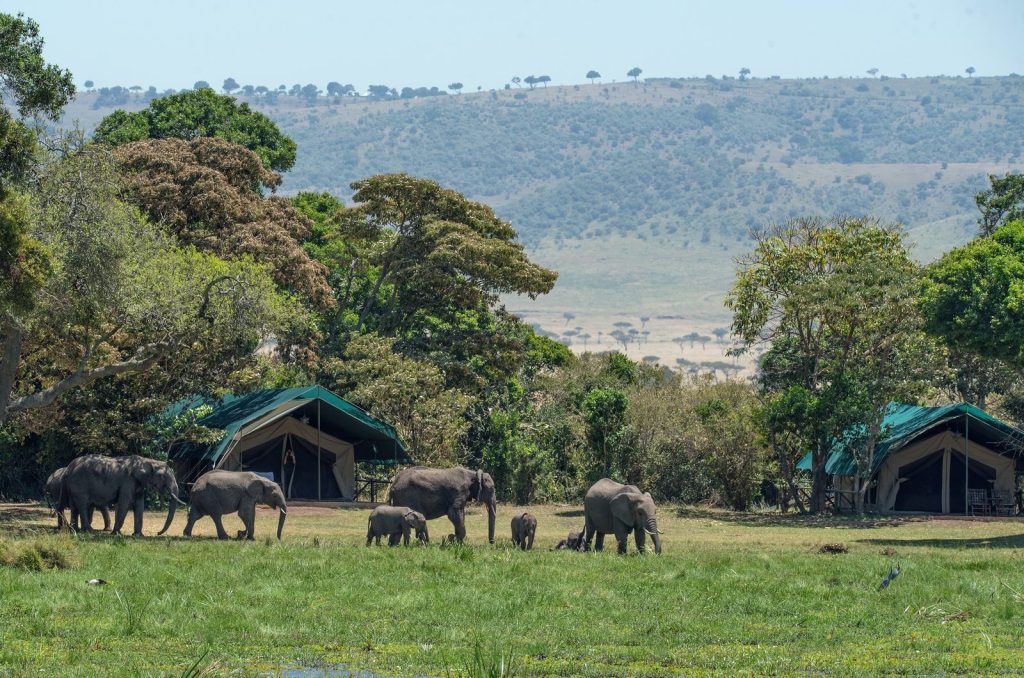
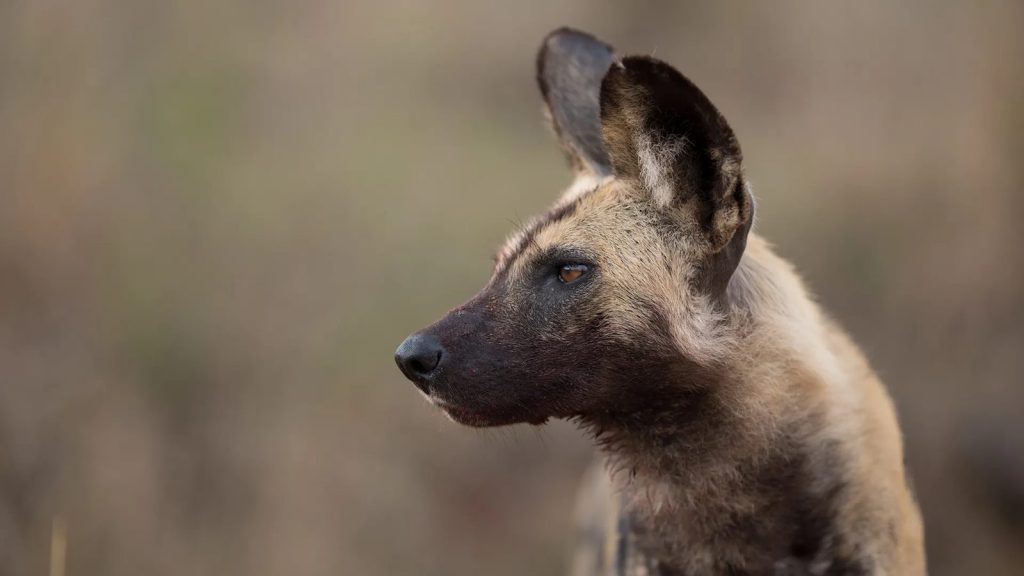
Private game reserves such as Sabi Sands, Timbavati, Manyeleti, Klaserie, and Thornybush Private Game Reserve share unfenced borders with Kruger. Wildlife moves freely across boundaries. This means the same lion, leopard, and wild dogs you might spot in Kruger can appear on a private reserve drive, often with a more intimate setting.
Private reserves allow off-road driving and night game drives, two things unavailable in most public Kruger rest camps. Vehicle numbers at each sighting are restricted, creating a quieter, less crowded safari experience. Walking safaris provide a different experience through bushveld and reserves, guided by extremely knowledgeable rangers and trackers.
Sabi Sands is a renowned private reserve adjacent to Kruger. Sabi Sands is widely known for excellent lion and leopard sightings. Lodges like Lion Sands sit within this area and attract travelers specifically seeking big cat encounters. Private game reserves offer exclusive safari experiences in South Africa that organized safaris in public parks rarely match.
Timbavati, Klaserie, and other reserves draw far fewer visitors and deliver a more remote feel. These hidden gems appeal to repeat safari travelers wanting thrilling safaris without crowds. Three nights is the sweet spot in a private reserve, fitting well into a 7 to 10 day South African safari that also includes Cape Town.
Malaria-free reserves work well for families and short trips
Madikwe Game Reserve is a malaria-free Big Five reserve near the Botswana border. It offers rich mammal and bird diversity, making it a strong choice for families who want big five safaris without prophylaxis concerns. Malaria-free reserves are available for family-friendly safaris across several parts of the country.
Pilanesberg National Park sits close to Johannesburg and Pretoria, reachable in a couple of hours by road. It can be done as a one to three night stay or even a day trip, sometimes combined with Sun City resort’s pools and family activities. It offers a solid wildlife viewing option for travelers short on time.
The Eastern Cape offers malaria-free reserves and coastal scenery, adding another dimension for families wanting a beach and bush combination. Hluhluwe-iMfolozi Park, further east in KwaZulu-Natal, is known for its rhino population, including white rhino, making it a standout for anyone wanting to see these endangered animals.
Malaria risk and prophylaxis decisions should always be made with a qualified travel clinic or physician, ideally six to eight weeks before travel. Families traveling with young children, or adding a shorter safari to a broader South African itinerary, are often best served by malaria-free options.
Best time to visit South Africa for safari and Cape Town
The best safari season in South Africa is April to October. Wildlife visibility is highest during the dry season, when vegetation thins and water sources shrink, concentrating animals along rivers and waterholes. The dry winter season offers the best game viewing opportunities across Kruger and most private reserves.
April to October offers dry, mild conditions for safaris, though temperatures can drop significantly in July and August nights, especially on early morning game drives. Pack warm layers for those cold open-vehicle starts. Wildlife viewing is often best during the early morning and late afternoon, when animals are most active.
From November to March, wildlife disperses due to rain. Landscapes turn green, dramatic skies make for striking photography, and birding improves with migratory species. Some travelers still enjoy this period for fewer visitors and lower rates, even if sightings take more patience.
Cape Town’s climate differs. Warm, mostly dry summers run from November to March, with wetter, windier conditions from June to August. Shoulder seasons like April or October can balance weather and crowd levels well when combining Cape Town, Kruger, and perhaps Victoria Falls on a single itinerary.
How long to spend on a South African safari itinerary
Many first time visitors spend 8 to 12 days in South Africa. A common split is three nights in Cape Town and four nights in Greater Kruger. Adding Victoria Falls extends the trip to about 10 days. A 12 to 14 day journey might include Cape Town, the Winelands, Kruger, and a Botswana extension through Moremi Game Reserve or the Okavango Delta.
Safari days are intense. The typical safari day revolves around animal activity patterns, with pre-dawn starts and late-afternoon drives. Building one or two lighter days around cities helps families and couples avoid fatigue. A rest day in Cape Town before flying to the bush keeps energy levels high.
Depth matters more than speed. Better to choose one main safari hub and spend three nights there than to hop between many short stops with long transfer days. An amazing experience comes from settling into the rhythm of the wild rather than rushing between camps.
Route ideas that link South Africa with Botswana and Victoria Falls
Regional connections make it easy to combine South African safaris with Botswana and Victoria Falls. A classic loop starts in Cape Town, continues to a private reserve near Kruger, then connects via Johannesburg to Victoria Falls on the Zimbabwe or Zambia side.
Flights between Johannesburg and Victoria Falls take under two hours. Multiple regional airlines operate this route. Chartered flights can reach safari lodges with private airstrips deeper in the bush or across the border.
Botswana’s Okavango Delta and Chobe National Park suit travelers wanting a wilder, more water-based African safari. Botswana’s low-volume tourism model means smaller camps and fewer vehicles, a contrast to South Africa’s wider range of options. Many travelers enjoy both in one trip.
At Victoria Falls, expect viewpoints on both the Zimbabwe and Zambia sides, seasonal changes in water volume, and popular activities such as river cruises and gentle game drives in nearby parks. Two to three nights is usually enough to explore the falls and surrounding area before continuing your journey.
South Africa also works well as a launch pad or finale for broader safari circuits across the region.
What a typical game drive day looks like on safari
Most South African safari lodges follow a consistent rhythm. You wake before dawn, grab coffee and a light snack, then head out on a morning drive of several hours when wildlife is most active. An experienced guide and tracker lead the way in an open vehicle.
Mid-morning brings brunch and rest at the lodge. Afternoons start with tea before a late drive that often extends into dusk. In private reserves, night drives reveal nocturnal animals like genets, bushbabies, and sometimes leopard on the hunt.
In public Kruger rest camps, guests can self-drive during gate opening hours, often sunrise to sunset. The park authority also runs guided drives and walks. Families and photographers should discuss priorities with guides so drives can adapt to interests while following park rules.
Expect early nights, limited mobile reception in remote areas, and a focus on the bush rather than connectivity. That slower pace is what makes a safari experience so different from any other kind of trip.
How to choose between lodge styles and budgets
South African safaris range from budget-friendly rest camps in Kruger to ultra-luxury suites in private game reserves. Self-catering bungalows and campsites in public Kruger camps are booked through the park authority. Mid-range lodges sit inside or just outside the park, while high-end private lodges fill reserves like Sabi Sands and Timbavati.
All-inclusive private lodge stays typically cover accommodation, meals, most drinks, and twice-daily guided game drives. Park-based stays may price drives, walks, and meals separately. Always verify what is included before booking. South Africa offers diverse and accessible wildlife viewing experiences at nearly every price point.
Check recent independent reviews to evaluate guiding quality, hospitality, and wildlife viewing reports. A lodge with an extremely knowledgeable guide team will shape your safari more than marble countertops ever could.
Practical tips: packing, health, and staying safe on safari
Pack light, neutral-colored layers. A warm jacket or fleece handles cold winter game drives. Bring a hat, sunglasses, sunscreen, insect repellent, binoculars, and a camera with a long lens. A small daypack keeps essentials within reach on the vehicle.
Consult a qualified travel clinic or physician six to eight weeks before travel for vaccinations and malaria guidance.
On game drives and walks, follow guide instructions at all times. Never stand up abruptly or lean far out of vehicles when animals are close. Keep food secured and out of tents. Use lodge escorts at night where required. Reputable lodges and operators comply with South African conservation and safety regulations.
When you begin planning, look for operators with established conservation credentials and transparent policies. Booking with a known specialist helps ensure your South African safari is safe, ethical, and worth every moment.
FAQ: South African Safari Planning Questions Answered
How many nights should I spend on my first South African safari?
Three to four nights in one main safari area, such as Greater Kruger or a malaria-free game reserve like Madikwe, provides enough time for multiple game drives and strong odds of Big Five encounters. Shorter two-night stays can work as a quick add-on but often feel rushed once transfers are factored in. Build at least one buffer day in Cape Town or Johannesburg to absorb flight delays.
Is a South African safari suitable for young children?
Many South African lodges welcome families, but age limits for game drives and bush walks vary. Some private game reserves set minimum ages for drives, so confirm before booking. Malaria-free areas such as Madikwe or Pilanesberg are recommended for families with younger children. Look for lodges offering family suites, kids’ activity programs, and flexible meal times.
Can I self-drive in Kruger National Park, or do I need a guide?
Visitors may self-drive in Kruger National Park on designated roads during gate opening hours. Guided drives and walks help first time visitors find animals more easily and learn about tracks, behavior, and ecosystems. A mix of self-drive and guided activities works well for confident drivers, while guided-only itineraries suit those who prefer to relax and focus purely on wildlife.
Is it easy to add Victoria Falls to a South African safari?
Many travelers fly from Johannesburg to Victoria Falls in Zimbabwe using daily regional flights. Two to three nights is usually enough for the main viewpoints, a river cruise, and a gentle game drive in a nearby park. Check current visa requirements for Zimbabwe and Zambia through official embassy websites before booking.
What kind of traveler is South Africa best for compared to Botswana?
South Africa is ideal for travelers who want a mix of safari, city life, coast, and culture in one country, often at a wider range of price points. Botswana is a stronger fit for those who prioritize remote, water and land-based wilderness in areas like the Okavango Delta and Chobe, with smaller camps and fewer vehicles. Many travelers enjoy combining both for a complete southern Africa safari.