
A Namibia safari pairs Etosha National Park wildlife with surreal desert landscapes, red sand dunes, and a fog-wrapped coast in one incredible trip. Namibia is one of Africa’s premier safari destinations, offering dramatic desert landscapes unlike anything in Kenya or Tanzania.
Key Takeaways
First-time visitors typically combine Etosha National Park, Sossusvlei, Swakopmund, and at least one remote area like Damaraland or the Skeleton Coast for a well-rounded itinerary.
Namibia safari cost varies widely, from budget self-drive camping to fly-in luxury camps that cost many times more per person. Budget the most for remote desert camps and charter flights, and request written quotes from operators.
May to October is the best time for safaris, with cooler temperatures and wildlife congregating at waterholes. The green season from November to April is ideal for birdwatching and lush scenery.
Namibia suits couples and families seeking space, few crowds, and a mix of game drives, dunes, and cultural encounters with communities like the Himba people.
Namibia safaris blend desert drama with classic African wildlife
A Namibia safari answers a question most travelers do not even think to ask: what happens when you combine serious wildlife viewing with one of the oldest deserts on Earth? Etosha National Park delivers elephants, lions, and cheetahs at sunlit waterholes, Sossusvlei rises in towering orange dunes, and the Skeleton Coast wraps everything in Atlantic fog. Namibia is often referred to as the “cheetah capital of the world,” adding rare wildlife encounters to an already surreal setting.
This beautiful country feels nothing like greener safari hubs such as Botswana or Kenya. Instead of dense bush, you get vast salt pans, gravel plains, and a desert landscape that stretches to the horizon. The breathtaking scenery creates ample room between vehicles, and the slower pace means you rarely share a sighting with a crowd. Travelers who value stark scenery and genuine solitude find Namibia absolutely amazing.
Whether you treat Namibia as a stand-alone dream trip or fold it into a wider Southern Africa journey with Okavango Delta or Chobe, the sections below offer detailed planning guidance for every region, season, and budget.
Namibia’s main safari regions create a natural north-south route
Most Namibia tours follow a loop from Windhoek, the capital city and starting point for many safaris, through the country’s most striking destinations before curving back. The route threads through dramatically different climate zones, each with its own wildlife, scenery, and character.
Sossusvlei and Namib-Naukluft National Park. Red dunes, Deadvlei’s bleached clay pans lined with dead camelthorn trees, and Sesriem Canyon. This is one of Africa’s great landscape photography destinations.
Etosha National Park. Waterhole-based game viewing around the vast Etosha salt pan in the north. Namibia’s premier wildlife sanctuary for large mammals.
Damaraland and Palmwag Concession. Desert-adapted elephants, black rhino, and ancient rock art at Twyfelfontein. Camp Kipwe features bungalow-style accommodations in Damaraland for travelers who want to explore this rugged land.
Skeleton Coast. Shipwrecks, foggy beaches, and seal colonies on a remote stretch of Atlantic coastline, typically reached on specialist fly-in safaris or long drives.
Swakopmund and Sandwich Harbour. Coastal adventure hub where dunes meet the ocean, offering quad biking, kayaking, and excursions to Sandwich Harbour’s tidal lagoons.
Zambezi Region (formerly Caprivi Strip). The Zambezi Region provides a lush wetland safari experience, linking Namibia with Botswana’s Okavango or Chobe for travelers building a multi-country itinerary.
Etosha National Park concentrates wildlife around shimmering salt pans
Etosha National Park is Namibia’s premier wildlife sanctuary, a national park defined by white dust, open vistas, and busy dry-season waterholes. The park’s centerpiece is the Etosha salt pan, a vast mineral flat so large it can be seen from space. Etosha National Park is known for its unique salt pan landscape that draws animals from across the surrounding bush.
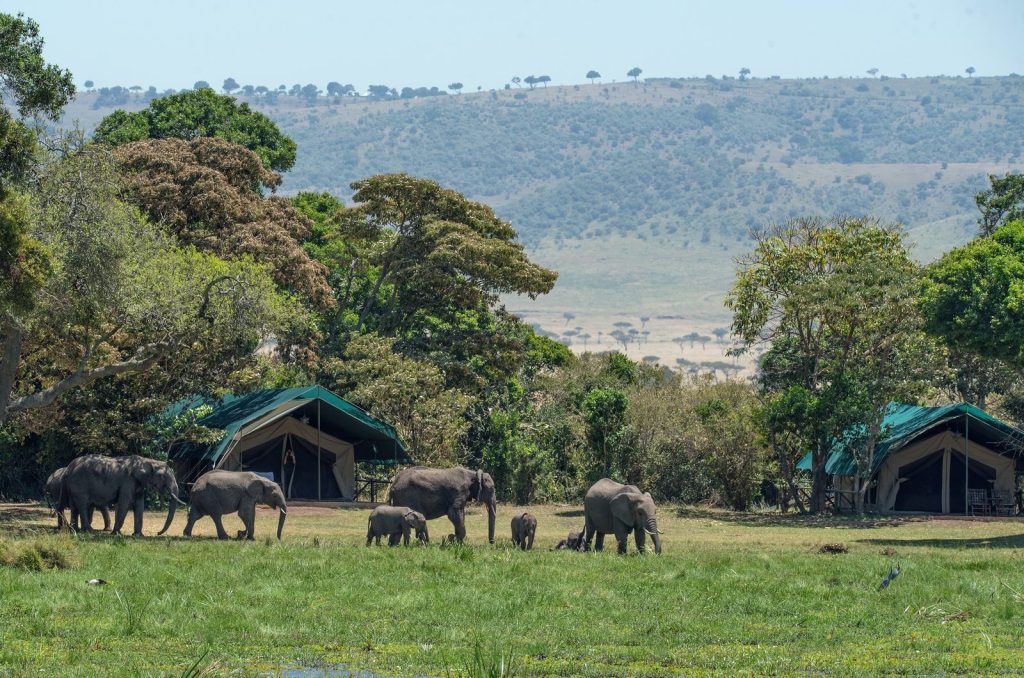
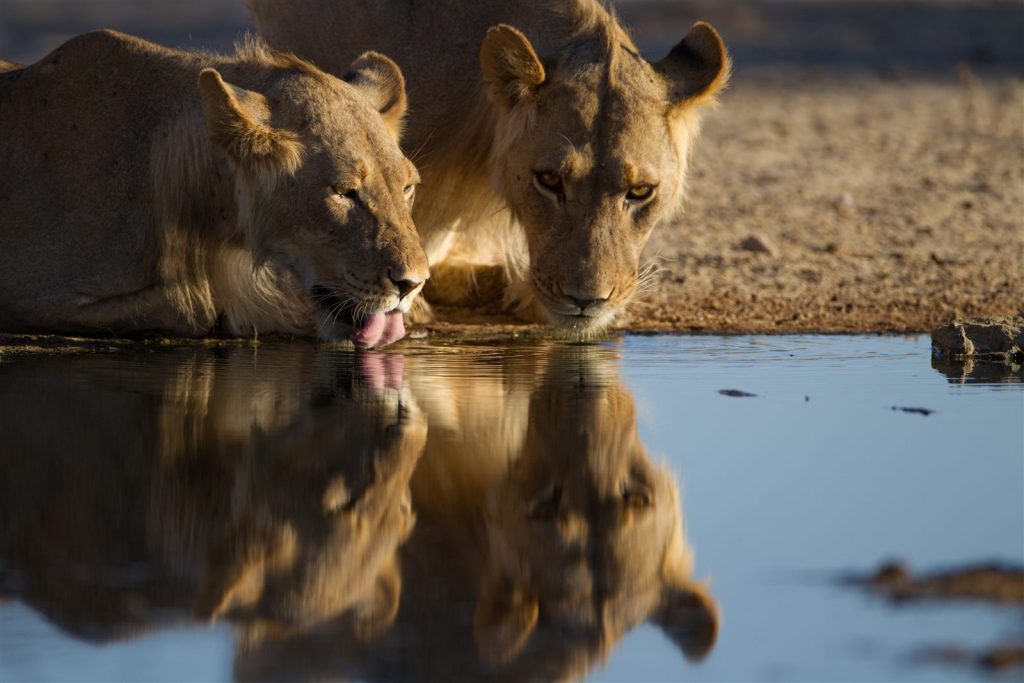
A typical game drive here moves between rest camps like Okaukuejo, Halali, and Namutoni. You can self-drive between waterholes or join guided excursions. During the dry season, wildlife congregates around water sources in dry months, creating dense gatherings of elephants, lions, giraffes, plains zebra, springbok, and black-faced impala.
Night-lit waterholes at government rest camps often deliver sightings of rhino, hyena, and other nocturnal animals. Grab a window seat at the Okaukuejo viewing bench after dark and wait. First-time visitors should plan 2 to 3 nights. Keen photographers benefit from 4 to 5 nights split between the east and west sides of the park for varied light and habitats.
Sossusvlei and the Namib’s dunes showcase one of the world’s oldest deserts
Sossusvlei in Namib-Naukluft National Park delivers the iconic images most people picture when they think of Namibia: towering orange sand dunes against white clay pans and skeletal trees. The Namib Desert features iconic red sand dunes such as Dune 45, which catches the first sunrise light, and “Big Daddy,” one of the tallest dunes in the region. The dunes at Sossusvlei are among the tallest in the world.
Deadvlei’s camelthorn trees, dead for centuries, stand frozen on cracked white earth. Sesriem Canyon, carved into limestone, offers a shaded walk. Fit travelers can climb some dunes, though sunrise and late afternoon are favored for softer light and cooler temperatures. Photography here is among the best in the world.
The Namib is widely described by geologists as one of the world’s oldest deserts. Fog rolling in from the Atlantic sustains unusual life, from lichens and beetles to reptiles adapted to the sand. Activities beyond dune walks include scenic flights, hot-air ballooning over NamibRand, and nature drives in private reserves. Private reserves in Namibia offer exclusive wildlife viewing opportunities alongside spectacular scenery. Plan 2 to 3 nights, emphasizing early-morning starts to beat midday heat, especially for families with children.
Skeleton Coast and Damaraland turn a safari into true Namibia adventure
The Skeleton Coast and Damaraland represent the wild edge of a Namibia adventure, destinations for travelers who want their next adventure well off the beaten track. These remote areas reward patience with encounters you will not find anywhere else in Africa.
Namibia’s Skeleton Coast is known for its dramatic landscapes and shipwrecks, protecting dunes, foggy shores, and Cape fur seal colonies along a stretch of coastline that feels like another world. Access is usually by fly-in safari or long overland drives through remote areas with little infrastructure.
Damaraland and the nearby Palmwag Concession support desert-adapted elephants and rhinos in some of the harshest terrain on the continent. Damaraland is famous for its desert-adapted elephants and rhinos. These desert-adapted elephants can go days without water, traveling vast distances between seasonal riverbeds and mountain forage. Namibia is a stronghold for the endangered black rhino, and tracking rhinos on foot is possible at Desert Rhino Camp, where comfortable canvas tents with en-suite facilities serve as your base. Anderson’s Camp is an eco-friendly camp with en-suite facilities nearby, and Okonjima Bush Camp offers luxurious thatched chalets for those exploring predator conservation further south.
Twyfelfontein’s UNESCO-listed rock engravings and granite outcrops can be visited on short hikes. These regions cost more due to logistics and low guest numbers, but the whole experience of solitude and rare wildlife is unmatched.
Choosing between guided safaris and self-drive road trips in Namibia
Namibia stands out among African destinations because both guided safaris and self-drive road trips are common and accessible. Self-drive safaris are popular due to Namibia’s good road infrastructure, but each approach has clear strengths.
Guided safaris offer:
Expert guidance from local naturalist guides who know animal behavior and hidden spots
A more seamless trip through remote areas where navigation is tricky
Comfortable beds, meals, and logistics handled by a tour operator
Access to specialist lodges and luxury camps in places like Ongava Game Reserve
Self-drive tours offer:
Flexibility to set your own pace, with long drives broken by roadside scenery and small-town food stops
Potential savings on accommodations by mixing lodges with guesthouses or camping
Freedom to linger at waterholes in Etosha or revisit a favorite dune at Sossusvlei
Travel in Namibia requires careful planning due to long distances. Local tourism authorities and rental companies recommend careful fuel management, daytime driving on rural roads, and carrying extra water. A hybrid approach works well for some travelers: self-drive between hubs like Windhoek, Swakopmund, and Etosha, then join guided activities for rhino tracking or Skeleton Coast fly-ins.
Understanding Namibia safari cost and what drives the budget
Namibia safari cost varies by season, comfort level, transport style, and which parks you visit. The range is broad. Published rates typically show short budget Etosha trips at the low end, week-long guided safaris in the middle, and fly-in itineraries with exclusive camps at the top. Quotes differ widely by operator and season, so compare written estimates for the same dates.
Key cost drivers include:
Charter flights versus road transfers. Fly-ins to the Skeleton Coast or Palmwag Concession carry significant premiums over self-drive routes.
Private versus shared game drives. A private guide and vehicle in Ongava Game Reserve or NamibRand costs more than joining a group outing from an Etosha rest camp.
Remote, low-capacity camps. Small desert lodges with a handful of guests carry higher per-night rates than larger properties near Windhoek.
Namibia offers luxury lodges and tented camps across every region, and stays inside or adjacent to Etosha tend to be more affordable than highly exclusive reserves. Common itineraries run 7 to 14 days. Factor in park fees, optional activities, tips, and food when budgeting your trip.
When to visit Namibia for ideal weather and wildlife viewing
May to October is the best time for safaris in Namibia. The dry season offers better wildlife viewing opportunities because animals concentrate around permanent waterholes, especially in Etosha. Temperatures are cooler during the southern winter months of June to August, with clear skies and cold desert nights.
Later dry months from August to October push animals even closer to water, producing productive game drives but warmer daytime temperatures. October can be intensely hot, so expect to plan activities around the cooler hours.
The green season from November to April is ideal for birdwatching, with migratory species arriving and landscapes turning vivid green. Newborn springbok and oryx appear on the plains. However, some northern roads become difficult, and wildlife disperses across the country.
Photographers and travelers seeking fewer crowds might enjoy April and May, when light softens and the mountains carry traces of green. Families should balance school holiday timing against crowd levels at popular lodges.
Planning your Namibia itinerary as part of a wider Southern Africa journey
Namibia pairs naturally with Botswana, South Africa, and Victoria Falls for a longer Southern Africa journey. After days in the desert, the contrast of lush Okavango Delta waterways or Chobe River elephants feels like landing on another continent entirely.
Some routes link the Zambezi Region with Zambia or Zimbabwe’s Victoria Falls via regional flights. Sample structures look like 10 to 12 days in Namibia alone, or 14 to 18 days mixing Namibia with a Botswana or falls extension for travelers who want to visit Namibia as part of a broader bucket list adventure.
Start or end in Windhoek, which is served by Hosea Kutako International Airport, then connect through Johannesburg or Cape Town. Whether this is your first African safari or your third return to the continent, Namibia offers enough dramatic landscapes and rare wildlife to stand on its own or anchor a multi-country journey. Treat it as your next adventure, and let the desert fill in the rest.
Frequently asked questions about planning a Namibia safari
These FAQs cover practical concerns about safety, families, vehicles, health, and booking timelines to help you plan a more seamless trip.
Is Namibia a safe choice for a first safari?
Many travel writers and tour operators describe Namibia as relatively safe for visitors. Low population density and straightforward tourism infrastructure make it welcoming even for first-time travelers to Africa. Standard precautions apply: keep valuables secure, avoid walking alone at night in cities like Windhoek or Swakopmund, and follow lodge and guide instructions in wildlife areas. Check your own government’s travel advisories before booking.
Can I take children on a Namibia safari?
Many lodges and guesthouses in Namibia welcome families. Self-drive routes give parents control over pace and stops, making the country a strong family destination. Areas like Swakopmund and Sossusvlei offer varied activities beyond game drives, from dune boarding to ocean kayaking. Discuss age limits, vehicle seating, and child-focused guiding with a safari planner in advance to ensure a seamless trip.
What kind of vehicle is best for a self-drive Namibia tour?
Many local rental companies and travel forums recommend a high-clearance vehicle, often a 4×4, for gravel roads and remote regions. Travelers should be comfortable changing a tire and carrying extra water and fuel on longer stretches, as filling stations can be far apart. Confirm insurance coverage, spare wheels, and emergency contacts with your rental provider before leaving Windhoek.
Do I need special health preparations for a Namibia safari?
Consult a travel medicine specialist several weeks before departure. Malaria prevention is important if visiting the Zambezi Region, especially during wetter months. Much of central and southern Namibia is described by health authorities as low risk for malaria, but professional advice is essential. Pack personal medication, strong sun protection, and a basic first-aid kit due to long distances between clinics in remote areas.
How far in advance should I book my Namibia safari?
Sought-after lodges near Sossusvlei, Etosha, and the Skeleton Coast fill many months ahead for the dry season from June to October. Book well in advance for peak periods, especially for complex fly-in itineraries or trips combining Namibia with Botswana or Victoria Falls. Shoulder seasons offer slightly more flexibility but still reward early planning for preferred room types and guides.