

Key Takeaways
A Kenya safari typically costs from a few hundred dollars to well over a thousand dollars per person per day, depending on accommodation and travel style. Operator price lists usually sort trips into budget, mid-range, and luxury bands, and quotes vary widely by season and operator.
Park fees and accommodation are the two largest line items on most quotes. Those two items alone drive most of the variation you will see between operators.
Here are the main price drivers to keep in mind:
Masai Mara safari pricing is the benchmark for Kenya safari prices, especially during the Great Migration months of July through October.
Conservation and park fees set by the Kenya Wildlife Service and county authorities have risen in recent years, which pushes safari prices higher.
Most Kenya safaris are sold as all-inclusive packages that exclude international flights, visa or eTA fees, tips, and optional activities like hot air balloon rides.
Time of year significantly affects safari pricing, with peak season rates typically much higher than low or shoulder season rates.
The cost of a safari in Kenya varies widely depending on accommodation and travel style, from basic campsites to premier camps in private conservancies.
Kenya safari prices vary by style and season
Daily safari costs typically spread across three broad bands: budget, mid-range, and luxury. Budget accommodation sits at the low end of operator price lists, mid-range accommodation costs noticeably more, and luxury safaris climb steeply for exclusive fly-in experiences.
Safari accommodation can vary from basic campsites to luxury lodges, and that range is the single biggest reason quotes differ so much between operators. Prices are usually quoted per person per night on a sharing basis, meaning a solo traveler will pay more because the safari vehicle and guide costs are not split. Private safaris with a dedicated vehicle also cost more per person than shared departures.
Most operators structure Kenya safari prices around a package that bundles accommodation, game drives, park fees, and most meals. You rarely see a line-item breakdown. That bundling makes comparison shopping tricky, so always ask what is and is not included before you commit.
Seasonality swings are dramatic. Peak season typically runs from July through October and again around late December. During those months, Masai Mara National Reserve entry fees and lodge rates spike. Shoulder season months and the March to May green season bring noticeably lower rates across popular parks like Amboseli National Park and the Mara.
Budget Kenya safaris keep costs low but trade some comfort
A budget safari focuses on core wildlife viewing with fewer frills. Expect shared safari vans with pop up roofs rather than Toyota Land Cruiser models, simpler budget lodges or budget tented camps, and mainly road transport from Nairobi.
Typical itineraries run three to seven days and link the big-name parks: a three-day Masai Mara safari from Nairobi, or a six-day loop through the Mara, Lake Nakuru, and Amboseli. Budget packages usually include park entry fees, full-board accommodation, a professional guide, and road transport.
Private budget safaris cost more than shared departures, but they get you a dedicated vehicle and driver instead of joining other guests on a fixed departure. That upgrade is worth considering for families who want some control over pacing.
Pros: Lower Kenya safari cost, social atmosphere with fellow travelers, straightforward planning. Cons: Less flexibility, longer time on the road, fewer included activities, rarely any night drives or walking options.
Budget Kenya safari tours suit first-time visitors prioritizing wildlife over lodge amenities, students, and families watching costs. For a solo traveler, shared departures are often better value than booking a private safari alone. Be cautious of operators whose prices look too good to be true. Extremely cheap tours may cut corners on vehicle maintenance, food quality, or responsible guiding.
Mid-range Kenya safaris usually offer the best value
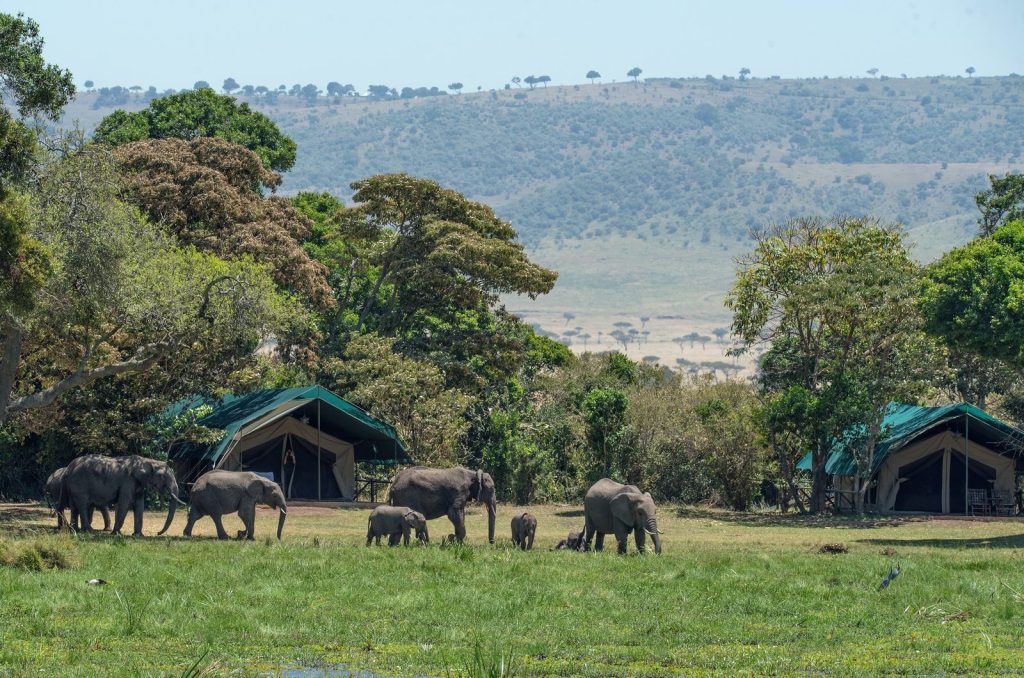
Mid-range safaris hit the sweet spot for many travelers. You get comfortable accommodation in well-run mid range tented camps, often with a private bathroom, plus a Toyota Land Cruiser with pop-up roof, experienced guiding, and more flexible itineraries.
A typical seven- to ten-day mid-range private tour links Masai Mara, Lake Naivasha or Nakuru, and Amboseli National Park. Mid-range accommodation typically sits well above budget lodging, with totals depending heavily on season, routing, and whether you stay inside the parks or outside the gates, so compare written quotes for the same dates.
Camps located inside or very close to the parks improve wildlife viewing and cut transfer times, but charge higher nightly rates than those outside the gates. Professional guides enhance the safari experience at this level, and the higher quality of guiding alone often justifies the step up from budget.
Mid-range Kenya safari tours may mix road transfers with a short fly-in safari leg, for instance flying between Nairobi and Masai Mara on scheduled bush flights. That hybrid approach saves hours of driving without the full cost of an all-air itinerary.
If your budget allows, stepping from a budget safari to a mid-range safari can dramatically improve comfort, wildlife time, and guiding quality, often more than the price jump suggests.
Luxury Kenya safaris focus on exclusivity and time, not just comfort
Luxury safaris sit at Kenya’s top end. Intimate safari camps and luxury lodges in conservancies around Masai Mara, Laikipia, and private areas bordering Amboseli deliver privacy, personalized guiding, and prime locations. Luxury accommodation is priced at a steep premium over mid-range camps, and rates rise further for the most exclusive properties.
Expect high-spec 4×4 vehicles with fewer guests per vehicle, sometimes fitted with specialist photography rigs. Photography safaris at this level typically add a daily supplement on top of standard rates. Many premier camps offer night drives where conservancy rules permit, guided walking safaris, and in-house child programs for families.
Luxury and ultra-luxury fly-in safari itineraries often link the Masai Mara with Laikipia or the Chyulu Hills using bush flights and occasional charter flights. Internal flights add significant cost but maximize the hours you spend actually on safari rather than in transit.
Luxury accommodation is especially worth the premium for milestone trips, honeymoons, or serious photographers seeking fewer vehicles at sightings and maximum flexibility during the Great Migration. The price buys time and exclusivity as much as thread count.
Masai Mara safari pricing spikes around the Great Migration
Masai Mara is the core reference point for Kenya safari prices. It draws the most visitors and hosts the Kenyan leg of the Great Wildebeest Migration, typically visible July through October. Visitors to Maasai Mara face seasonal pricing, with higher fees in high season and noticeably lower rates in the quieter months.
Park fees for non-resident adults are set by the reserve authorities and are higher in peak season. Those fees alone explain a large share of the cost difference between a Masai Mara safari in June and one in August. Check the current schedule with the reserve authority or your operator.
Hot air balloon safaris over the Mara at sunrise are a popular add-on but a meaningful additional cost for couples or families. Cultural visits to nearby Maasai villages carry a smaller per-person charge. A private safari vehicle surcharge and conservancy fees in areas like Olare Motorogi push the total cost higher still.
To manage Masai Mara costs, consider traveling in June or November for strong predator action without peak-season pricing. You can also split time between a more affordable camp outside the reserve and a splurge night or two at a premium conservancy lodge. That mix keeps the overall Kenyan safari bill in check while still delivering a world-class experience.
When you travel in Kenya changes the price dramatically
Kenya’s safari calendar breaks into three bands. Peak season runs July to October plus Christmas and New Year. Shoulder season includes January, February, November, and December. Low season runs from March to May, beginning around mid March and coinciding with the long rains.
Peak season matches the Great Migration in Masai Mara and drier conditions in Amboseli and Tsavo. Wildlife viewing is best during the dry season because animals concentrate near water, and vegetation thins out. Accommodation rates and park-related fees hit their highest marks during these months.
Shoulder season delivers lower nightly rates, fewer vehicles at sightings, and excellent predator activity, especially in January and February when many species have young. Many travelers find this period offers the strongest value across East Africa.
Traveling during the low season often offers lower rates and fewer crowds compared with peak season. Scenery turns lush and green, and birding is exceptional. The trade-offs are muddier tracks and a higher chance that some remote roads or airstrips may be affected by the rainy season.
If you are planning a Kenyan safari, start checking date-specific pricing well ahead of time. Many popular mid-range and luxury camps around Masai Mara and Laikipia open bookings many months in advance, and the best rooms fill quickly in high season. Planning around the above factors can help you match dates and parks to your budget.
Travel style and logistics can double or halve your Kenyan safari cost
Beyond lodge category, many factors shape your total cost, including transport mode, group size, and whether the trip is private or shared.
Scheduled bush flights between Nairobi, Masai Mara, Laikipia, and the coast cut longer trips into short hops. Traveling by air increases safari costs compared to road transport, but the time savings on a seven- to ten-day Kenya trip can be significant.
Vehicle type matters too. Budget safaris use pop-up-roof safari vans. Mid-range and luxury levels use 4×4 Land Cruisers. Hiring a privately guided safari vehicle costs more but gives full control over game-drive times. Group safaris can reduce individual costs by sharing transport and guides, while a solo traveler or couple on a private safari spreads fixed vehicle and guide costs across fewer people. Group size significantly affects per person safari costs.
Ask your tour company or safari specialist to price both a road-based and a partial fly-in safari version of the same itinerary. That side-by-side comparison lets you see exactly how much time and money each choice adds or saves.
What’s usually included in Kenya safari prices, and what isn’t
Most Kenya safari tours at mid-range and luxury levels are sold as all-inclusive on a per night basis. The meaning of that term varies by operator, so read the fine print.
Typical inclusions:
Comfortable accommodation and three daily meals
Two shared game drives per day in a safari vehicle
Park entry fees and conservancy fees (where noted)
Local airport or airstrip transfers
Selected drinks at higher-end luxury lodges and premier camps
Common exclusions:
International flights to Nairobi
Kenyan eTA or visa fees
Travel insurance
Premium drinks and spa treatments
Travel expenses can include entry fees, meals, accommodation, and optional activities, so it is worth noting that the extras add up. Walking safaris, cultural village visits, and optional activities like a hot air balloon safari incur additional costs beyond the base package. Park and conservation fees are mandatory and vary by location.
Request a written inclusions and exclusions list from your chosen operator before paying any deposit. That single step prevents surprise charges once you visit Kenya.
How Kenya safari costs compare across East Africa
Kenya safaris are generally priced similarly to Tanzania for equivalent comfort levels, and often lower than Botswana for comparable wildlife viewing. Kenya’s blend of public national park reserves and private conservancies creates a cost spread that runs from shared budget camping to premium fly-in safaris.
Tanzania often carries higher park fees for marquee areas like the Serengeti and Ngorongoro Crater, which can push multi-day safari costs above what you would pay at Masai Mara and adjacent Kenyan parks of similar caliber. Combining Kenya with Tanzania in one East Africa itinerary adds visa and logistics costs but can be excellent value for travelers wanting to follow the wildebeest migration across both the Mara and the Serengeti.
Kenya remains one of the strongest value propositions for big-game viewing. First-time visitors get iconic species, varied landscapes, and a wide range of travel dates and price points without the ultra-high nightly rates common in certain Botswana concessions.
FAQ: Planning Your Kenya Safari Budget
Comparing the above factors side by side makes it easier to see what drives the price and to choose a trip that fits your budget. Use the answers below when requesting quotes or narrowing down operators.
How far in advance should I book a Kenya safari?
For peak Great Migration months in Masai Mara (July through October) and Christmas or New Year, many lodges recommend booking many months ahead. For green or shoulder season travel, a shorter lead time is usually sufficient for mid-range Kenya safari tours. Families needing triple or interconnecting rooms should book early because those room types are limited even in larger properties. Safari specialists can also help travelers compare quotes and booking timelines.
Is a fly-in safari in Kenya worth the extra cost?
A fly-in safari saves substantial road time between Nairobi, Masai Mara, and the coast, letting you spend more of a seven- to ten-day trip on actual game drives rather than road transport. Internal domestic flights can add significant costs but save travel time, which many safari specialists consider a worthwhile trade-off. Note that scheduled bush flights enforce strict luggage limits, so pack in soft bags. A hybrid model works well for cost-conscious travelers: drive one leg and fly the longest.
Can families manage a Kenyan safari on a budget?
Yes. Many Kenyan lodges around Masai Mara and Amboseli offer reduced child rates and sometimes free stays for very young children sharing with adults. Choosing a budget or mid-range option outside peak migration months keeps costs manageable. Factor in non-wildlife days at Nairobi or the Kenya coast, where accommodation runs cheaper and children can rest between game-drive-intensive days.
How much extra cash should I plan for tips and incidentals?
While almost all core costs are prepaid, bring cash for tips, souvenirs, and optional activities. Many camps accept major credit cards, but smaller properties and roadside shops may be cash-only. Kenyan shillings work for small purchases; US dollars are standard for gratuities. Ask your operator for a camp-by-camp tipping guideline so you can estimate a realistic amount based on your travel style, length of stay, and group size.
Thoughtful planning around season, style, and route can align almost any reasonable budget with a memorable Kenyan safari experience. Start gathering quotes from a trusted safari specialist now, compare the factors above side by side, and lock in your travel dates before the best camps fill up.