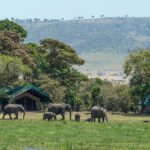


Tiger fishing in Botswana is mostly a catch and release sport built around the African tigerfish, a fast predator with sharp teeth and a reputation for hard strikes. The best-known waters are the Okavango Panhandle, part of the Okavango Delta system in the northwest, and the Chobe River near Kasane. If you are a traveler planning a safari and wondering whether to add a day on the water, this guide covers where to fish, when to go, and the rules to confirm before you cast a line on a tiger fishing Botswana Okavango trip.
The tigerfish is a fighting predator that earns its reputation
The African tigerfish is a strong, silver, torpedo-shaped fish with a mouth full of teeth. It hits lures hard, jumps, and shakes its head to throw the hook. Many anglers rank tiger fish among the great freshwater sport fish in Africa.
Tiger fish are known for their ferocity and strength, and the Okavango Delta is famous for them. That fight is the draw and a big part of the adventure. You do not need to be an expert, but you do need patience, quick reactions, and respect for those teeth. Many guides use a wire trace, a short steel leader, because of those teeth, and they will show you how to handle the fish safely.
The Okavango Panhandle in the Okavango Delta is the classic tiger fishing setting
The Panhandle is the narrow stretch of the Okavango River that runs south from the Namibian border before it spreads into the Okavango Delta. It is a renowned fishing region with permanent waters and shallow floodplains that feed the main channels. Deep, flowing channels, papyrus-lined lagoons, and backwaters make it a quiet, scenic place to fish from a small boat, and African pike and bream may also be caught here. Birdlife is rich, and you may see crocodiles, hippos, and elephants from the water.
Fishing camps in this area often offer guided fishing trips, including half-day and full-day outings, and many are located right on the river. Facilities range from simple riverside camps to an exclusive lodge with a private deck over the water. Check what each place provides, including accommodation, tackle, boats, and guides, before you book, and ask what makes its spot a prime location.
Chobe River fishing pairs well with a wildlife trip
The Chobe River near Kasane is one of Botswana’s well-known fishing destinations, known for tiger fishing in its deep water. You fish with the Chobe National Park shoreline close by, and elephants and buffalo often come down to drink. Many travelers add a morning of fishing to a stay around Kasane.
Fishing rules on the river involve boundaries between Botswana and Namibia and rules for the national park, so fishing opportunities depend on which stretch you use. Always use a licensed guide or operator who knows the current limits and which methods, including bait, are currently allowed.
Season matters, and water levels and the barbel run shape the fishing
Tiger fishing is often described as best in the cooler, drier months, roughly from late winter into the spring, when receding floodwaters often concentrate fish and baitfish in the main channels. Lure fishing can be productive across much of the year, and hot summer months can also produce good fishing, especially around the barbel run, when barbel and catfish movements can trigger a feeding frenzy. Tigerfish tend to feed aggressively as water temperatures rise and levels recede, and peak flood periods affect where they sit and when they breed. Many operators describe the barbel run as running from roughly August or September into November, though timing changes from year to year. Fishing during the rainy season can also be effective despite heavy showers.
Some sources mention seasonal breeding closures around January and February, so check current dates with the authority and your operator. There is no single perfect month. Ask the operator what the water has been doing lately, especially if the timing of the barbel run matters to you. Our guide to the best time to visit Botswana for safari helps you balance fishing with wildlife viewing.
Catch and release protects the fishery
Most fishing camps in Botswana practice catch and release for tigerfish, and many require it. Use barbless or crushed-barb hooks if your guide recommends them, handle the fish with wet hands, and keep it in the water as much as possible. Release it quickly after a photo.
Good practice keeps the fishery healthy for the next angler. Follow your guide’s instructions every time, and do not insist on keeping a fish if the operator does not allow it.
Licenses and rules depend on location and change over time
Botswana generally requires anglers to follow national fishing regulations, and some areas, such as national parks, have extra rules. Whether you need a personal license, and how it is issued, can differ by location and operator. Many camps arrange this for guests, but you should not assume.
Rules, fees, and permitted methods change. Confirm current requirements with the relevant authority and with your operator before you travel. Never rely on an old blog post, including this one, for legal details.
Pack for sun and spray, then check the tackle
Bring a wide-brimmed hat, polarized sunglasses, sunscreen, and light long sleeves for sun protection. Pack a rain jacket, a waterproof bag for your phone, and non-slip shoes. A camera with a wrist strap is safer on a small boat.
Fly fishing and lure fishing suit different anglers
Ask the operator about tackle, including whether a fly line and fly rods are available. Many camps supply a rod-and-reel setup and lures, while others expect experienced anglers to bring their own for fly fishing or lure fishing, and some may or may not provide fly gear. Common methods include spinning, fly fishing, and bait fishing where bait is allowed, and most fishing enthusiasts stick to lures for tigerfish because the fish hit hard.
Confirm weight limits too, especially if your trip includes flights or other air transfers, as covered in our Maun airport guide.
Tiger fishing frequently asked questions
Do I need fishing experience? No. Guides can teach beginners, and the destination also suits fishing enthusiasts, though experience helps. Be ready for strong strikes.
Can I keep the fish? Most camps require catch and release for tigerfish. Ask your operator for current rules.
Is it safe around crocodiles and hippos? Guides know the water and keep a safe distance from wildlife. Stay seated in the boat and follow instructions.
Can I combine fishing with a safari? Yes. Many travelers add a day or two of fishing to a trip with game drives, mokoro outings, birding, and river cruises. If your trip includes dedicated angling days, specialist guides can help you make the most of them. See our Botswana safari guide for ideas.
Practical tips for tiger fishing in Botswana
- Choose a licensed guide or specialist camp that practices catch and release.
- Confirm license and permit rules with the authority and your operator.
- Ask about water levels, recent catches, and which species are biting before you set dates.
- Handle fish with wet hands and release them quickly.
- Pack sun protection, a rain jacket, and a waterproof bag.
- Check whether tackle is provided or whether you need your own.
- Combine fishing with wildlife viewing, since the scenery and animals are part of the experience.