
A game drive in Botswana is a guided wildlife outing in an open safari vehicle, led by an experienced guide who tracks animals through the bush. Most travelers do one in the early morning and one in the late afternoon, and each lasts around three to four hours. This guide explains how game drives work, what to bring, and how to be a good guest in the bush as you start planning.
A safari game drive is a guided search for wildlife, not a ride past animals
A safari game drive is a slow, quiet trip in a 4×4 safari vehicle with raised seats and open sides. Your guide reads the land, listens for alarm calls, and decides where to stop. The aim is to find wildlife and then give you time to watch wild animals behave naturally.
People often ask about the difference between a safari and a game drive. The safari is the whole trip, including your lodge, meals, and travel between camps. The game drive is one activity within that safari experience, alongside options like boat trips, walking safaris, and mokoro rides.
Botswana game viewing in the Okavango Delta differs from the Chobe River and the Kalahari
Botswana game viewing is not the same everywhere. The Okavango Delta, a UNESCO World Heritage site, mixes lush delta grassland, islands, and floodplains across many diverse areas, so drives are often combined with water activities. The Okavango Delta is also one of Africa’s top safari destinations for abundant birdlife, with many bird species to look for.
Chobe National Park is known for elephant herds along the Chobe River, and a Chobe game drive often pairs well with a river cruise. Moremi Game Reserve is part of the Okavango Delta and sits on its eastern side, with mopane woodland and open floodplains and great diversity across a broad range of habitats.
Savuti is known for predator interactions, and Linyanti is famous for large lion prides and big herds in drier landscapes. The Central Kalahari adds unique wildlife, including desert-adapted oryx, and its vast open plains feel very different from the delta. Many parks and reserves provide opportunities for different and unique experiences, so pick a region based on the wildlife you most want to see. Inside Chobe National Park and Moremi Game Reserve, vehicles stay on set tracks, and large herds of elephants and buffalo are a highlight in the drier months.
Afternoon game drives and morning drives each offer something different
Morning drives leave at first light, when the air is cool and predators such as lions are often still active. This is a strong time for big cats and for a rare wild dog sighting, and guides can follow fresh tracks left overnight. A pack of wild dogs on the hunt is never guaranteed, but early starts give you the best chance.
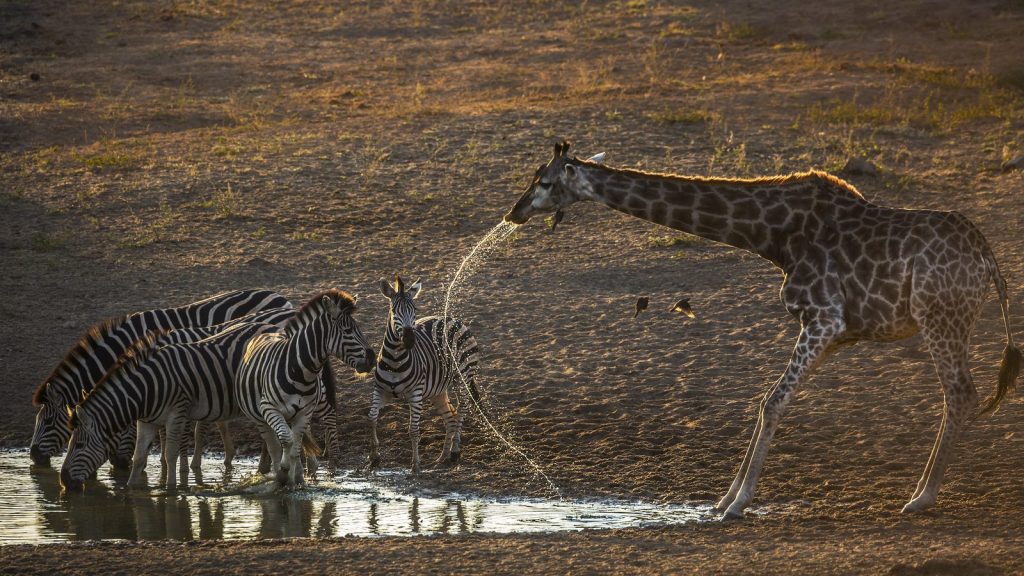
Afternoon game drives start in the late afternoon and run into dusk. Animals move toward water, elephants gather along rivers, and the light turns soft and golden. Many lodges serve a sundowner stop with drinks and snacks in the bush.
Both can help with Big Five sightings: lions, leopards, elephants, buffalo, and rhinos, though rhinos are rare and not guaranteed. If you only have a short stay, do both for different and unique experiences. The same road can look completely different at 6 a.m. and 5 p.m.
Night drives and off roading are limited in national parks but open in private concessions
Official national parks like Chobe and Moremi are managed by the park authorities under strict control. Vehicles must generally stay on tracks, with night driving prohibited and off roading not allowed, so night drives are not usually part of a park visit. These limits do not prevent spectacular sightings on daytime drives.
Private concession areas open to lodge guests often allow more flexibility, and private concessions open to guests staying at a camp may offer night drives, off roading to follow a sighting, or walking safaris. Khwai is a good example of an area where community and concession rules shape the experience. Botswana’s safari model is often described as high-value and low-impact.
Rules change, and each operator sets its own standards. Ask your lodge exactly what is allowed before you book, and confirm current park rules with the park authority.
Experienced guides find animals by reading signs, sounds, and the land
Experienced guides rarely rely on luck. They look for tracks in sand, listen for alarm calls from birds and monkeys, and notice where vultures circle. Many also share information by radio with other guides, which helps put you near a sighting without crowding it.
Good tracking is also about patience. A guide may stop the vehicle for a leopard track, wait ten minutes, and then find the animal resting in a tree. Ask questions, because most guides love explaining what they see, from animal and bird species to how the seasons shape movement in many areas.
Self-drive safaris need significant planning and off-road experience, so most first-time visitors choose guided drives with expert guides and trackers who put safety first.
What to bring on a game drive
Pack for cold starts and warm middays. Bring layers in neutral colors, a hat, sunscreen, and sunglasses. A scarf or buff helps with dust.
Binoculars make a bigger difference than a long camera lens. Bring a camera with spare batteries and storage, a small daypack, and a refillable water bottle. Check with your camp about what is provided, because many lodges supply blankets and ponchos in cooler months. Treat every drive as an adventure and a chance to explore.
Etiquette keeps wild animals calm and sightings safe
Stay seated in the vehicle and keep your voice low. Do not stand up, lean out, or wave at animals, because it can disturb them and endanger you. Follow your guide’s instructions at once, even if they seem strict, because safety depends on it.
Switch your phone to silent and turn off camera flash. Never feed animals or throw anything from the vehicle. Take your trash with you, and avoid pushing the guide to get closer when an animal shows signs of stress. Responsible viewing helps prevent spectacular sightings from turning into harm for the wildlife.
The dry season concentrates wildlife, but the green season has its own rewards
The dry season, roughly from May to October, concentrates wildlife around water and makes animals easier to spot in Botswana, one of Africa’s leading safari destinations. Cooler temperatures also improve visibility. The wetter months, often called the green season and running roughly from November to April, bring lush landscapes, newborn animals, and strong birding, but thicker vegetation can make viewing harder and wildlife is more dispersed. Read our guide to the best time to visit Botswana for safari before you commit to dates.
Costs vary widely by region, season, and lodge type. Our Botswana safari cost guide explains what drives the price, and you should confirm all rates with the operator. For a wider overview, start with our Botswana safari guide. Many travelers also add Victoria Falls to a trip, so ask your operator how it fits into your itinerary.
Game drive frequently asked questions
How long is a game drive in Botswana? Most morning and afternoon drives run about three to four hours, though some operators offer full-day drives. Confirm timing with your lodge.
Is a game drive safe? Game drives are guided by trained guides who follow strict safety practices. Stay in the vehicle, follow instructions, and you can enjoy close views with low risk.
Can I do a night drive? Night drives are generally not permitted in national parks but may be offered in private concessions. Ask your operator.
Do I need to tip the guide? Tipping is customary, but amounts vary. See our Botswana money and tipping guide and check with your operator.
Practical tips for your first game drive
- Book a mix of morning and afternoon drives for different and unique experiences.
- Wear layers, a hat, and neutral colors.
- Bring binoculars, spare camera batteries, and a water bottle.
- Keep your voice low and stay seated in the vehicle.
- Tell your guide what you most want to see, such as wild dogs, big cats, or birds.
- Confirm park rules, concession rules, and activity options with your operator as you start planning.
- Be patient, because the best sightings often come after a long, quiet wait.