

A Chobe river cruise is a guided boat safari along the Chobe River on the northern edge of Chobe National Park in Botswana. You watch wildlife from a boat or a smaller tender near the riverbanks. It suits wildlife enthusiasts, photographers, families, couples, and anyone who wants a relaxed safari with close animal encounters from the water rather than a land-based game drive.
The river is one of the few permanent water sources in the region, so it draws large numbers of animals to the shoreline, especially in the dry season. You can see elephants, hippos, and crocodiles at close range, along with a rich variety of birds. Predator tracking is not the focus. The experience centers on large herbivores, birdlife, and aquatic species from an angle that land vehicles cannot match.
This guide covers what you will see, the types of cruises, the best seasons, how a boat trip compares with a land safari, and practical planning tips.
Why Choose a Chobe River Cruise
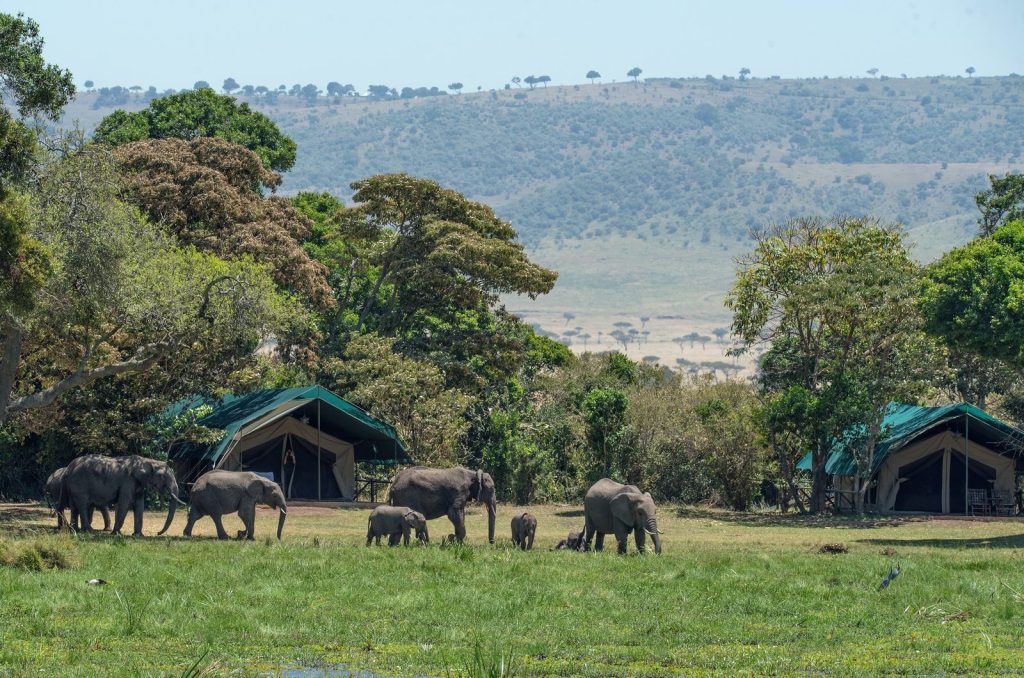
The Chobe River draws animals to its banks because it remains reliable water during the dry months. That concentration creates conditions where big herds of elephants gather within camera range of the boat. The water brings animals to you rather than requiring you to find them.
A river cruise also feels different from a land safari. On a game drive, dust, engine noise, and other vehicles can compete for the same sighting. On the river, the boat drifts into position quietly and animals along the bank often keep feeding. Travelers who prefer comfort over hours on bumpy tracks will find the format a practical alternative. Elephants swimming across the channel and hippos basking on sandbars are classic sights.
Chobe River and Chobe National Park Geography
Chobe National Park lies in northern Botswana, and the Chobe River forms its northern edge. The river runs along the border with Namibia’s Caprivi Strip. The Chobe is a separate river from the Zambezi, but the two meet near Kazungula. This is a rare corner of Africa where four countries come close together: Botswana, Namibia, Zambia, and Zimbabwe.
Kasane, the gateway town to the park, sits at this junction, which makes it a natural starting point for multi-country itineraries across southern Africa. Cruises usually depart from Kasane.
Wildlife Along the Chobe Riverfront
The riverfront is where elephants gather in numbers few other places can match. In the dry season, herds move toward the river as inland water disappears. They wade into the shallows, spray water over their backs, and cross the channel. Our guide to Chobe elephants goes deeper on this.
Hippos and crocodiles live in the river year-round. Hippos surface in groups, often in early morning and late afternoon, and crocodiles bask on sandbanks. Buffalo move along the floodplain margins. Giraffe, zebra, waterbuck, puku, impala, and kudu feed in the riverside woodland, and an African fish eagle may watch from a tree above the water.
Bird watching in Chobe National Park features hundreds of species, and the river is a good place to see kingfishers, herons, storks, and bee-eaters. Our Botswana birding guide covers the key species and seasons, and many species remain rewarding to watch from the river even when mammal sightings are less predictable.
Predators are a different story. Lions and leopards are possible along the riverfront, but sightings from a boat alone are less reliable than from a vehicle deeper inside the park.
River Cruise Activities and Options
A typical day on the river includes a morning outing and an afternoon outing, with the middle of the day set aside for meals and rest. Standard safari day cruises usually last a couple of hours, while more luxurious overnight options are run on houseboats.
Day cruises are the most common and the easiest to fit around other plans. A shared boat holds a group, while a private boat gives more flexibility on timing and position.
Tender boats are smaller motorized craft that slip into shallow channels and along sandbars. They can bring you closer to animals drinking at the water’s edge and are best for birds along the bank.
Sunset cruises are a highlight for photography. The light is soft and warm, many animals drink at dusk, and the river provides clear sight lines.
Houseboats and floating lodges let you sleep on the water, and Chobe River accommodation ranges from lodges to river cruises. Availability and standards vary by operator, so check what is included before you book.
Some operators also offer tiger fishing tours during the cruise. Availability depends on water levels and local rules, so ask in advance.
Morning outings tend to produce the most active behavior, before the heat builds. Afternoons offer softer light and more birds returning to roost, and each follows a relaxed course along the river. Pack binoculars, and for photography a telephoto lens in the 300 to 400mm range works well.
Add a Land Safari in Chobe National Park
A land safari reaches habitats the boat cannot, including woodland interiors and areas like Savuti where predators hunt. Game drives run early morning and late afternoon, when predators are most active.
Adding at least one full day of drives raises your chance of seeing big cats and gives you a contrast of landscape. Daily land safaris into Chobe National Park complement river activities on a cruise. The combination of boat and vehicle covers the widest range of species in the Chobe region. For the full picture, see our Botswana safari guide.
Southern Africa Connections and Extended Itineraries
Victoria Falls is a relatively short trip from Kasane by road transfer or flight, and many travelers pair a Chobe cruise with a visit to the falls on the Zimbabwe or Zambia side.
The Okavango Delta is a strong complement. It offers mokoro canoes, island camps, and walking, which gives a different feel from the Chobe. Adding a few nights there rounds out a trip with both river and deep-bush perspectives.
Regional flights connect Kasane, Victoria Falls, and Livingstone. Routing depends on your priorities and the season. Border crossings between countries require valid passports and sometimes visas, so check the requirements for each country before departure.
Cultural Tours and Local Experiences
Some trips include a cultural tour to local villages, where guests can see traditional crafts, daily life, and community projects. It can also show how the local community lives and where locally made crafts come from. Ask your guide which items are made locally before you buy, so that your money goes to the people who made them.
Best Time for a Chobe River Cruise
The dry season, roughly May to October, is the best time for wildlife viewing on the river. As water dries up inland, animals move toward the Chobe, and the largest shoreline herds usually form in the late dry season. Days can get hot toward the end of the dry season, so plan for sun protection.
| Season | Months | What to expect |
|---|---|---|
| Dry season | May to October | Large shoreline herds, clear views, mild to hot days |
| Green season | November to April | Lush scenery, migrant birds, newborn animals, fewer mammals at the river |
In the green season, vegetation is thick, water is spread across the landscape, and fewer large mammals concentrate at the river. Birding is excellent, though, because migratory species arrive and nesting activity picks up. Resident hippos, crocodiles, and antelope remain, so game viewing is still worthwhile.
Northern Botswana is a malaria area, and risk is generally higher in the wetter months. Talk to a doctor or travel clinic about prevention before your trip, and use repellent and cover up in the evenings.
Planning Your Chobe River Safari
Many cruises depart from Kasane. Kasane has an airport with regional connections, and Victoria Falls and Livingstone are other common arrival points. Some boats and lodges are on the Namibian side of the river, in which case boarding may involve a short border formality. Operators usually handle the logistics, but confirm transfer details, immigration steps, and timing before departure day.
Packing checklist:
- Hat, sunscreen, and polarized sunglasses
- Neutral-colored clothing in browns, khakis, and greens
- Layers for cool mornings and evenings on the water
- A light waterproof layer in the wet season
- Camera with a telephoto lens, plus binoculars
- Insect repellent
- Malaria prevention as advised by your doctor
- Valid passport with enough blank pages
- Travel insurance that covers medical evacuation
Is a Chobe River Cruise Right for You?
A Chobe cruise suits families, couples, wildlife enthusiasts, and photographers. It works for travelers who want close animal encounters without long hours in a vehicle.
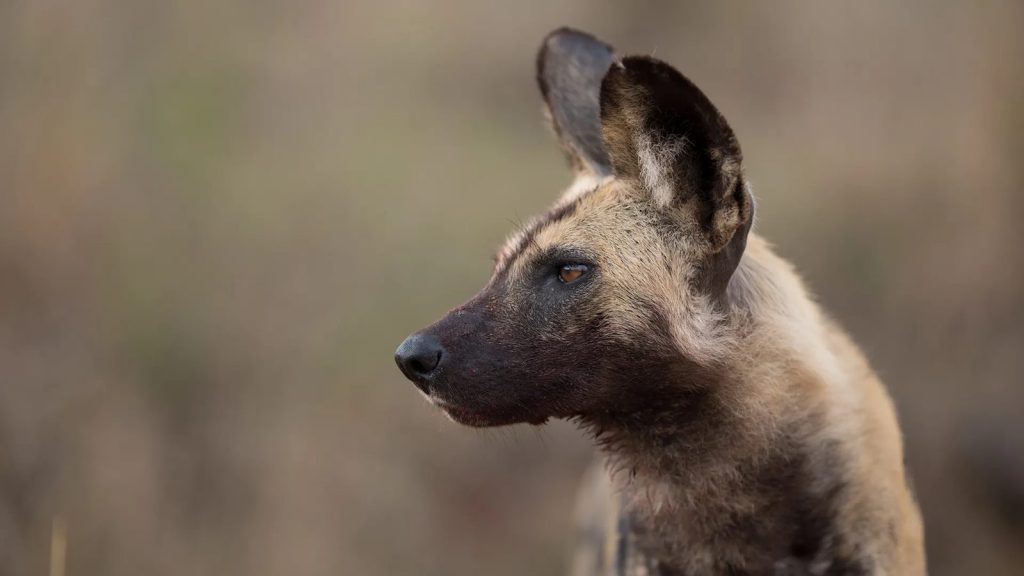
The strengths are concentrated elephants, dependable hippo and crocodile sightings, outstanding birdlife, and a relaxed pace that can feel quietly luxurious on upscale boats. The limit is predators. If lions, leopards, or wild dogs are your priority, the river alone will not deliver consistent sightings, and you will want land-based drives as well.
The strongest itinerary combines a river cruise with game drives inside the park. A couple of nights on or beside the water, followed by a couple of nights with morning and afternoon drives, covers the widest range of Chobe’s wildlife and scenery.
Itinerary checklist:
- Confirm your arrival airport
- Check visa requirements for each country on your route
- Decide on cruise length
- Add land safari time for predator opportunities
- Book a medical consultation for malaria prevention
- Match seasonal timing to your wildlife priorities
- Verify what your cruise includes, such as meals, excursions, and drinks
- Map connections to Victoria Falls and the Okavango Delta
Start by choosing your dates around the dry season, then build outward from Kasane to include whatever else southern Africa has on your list. If you are budgeting, see our Botswana safari cost guide for ranges.