
An African wild dog pack does not move like a loose gathering of animals. It moves like a single thought, broken into painted bodies.
At first, there may be only ears above the grass: large, rounded, alert. Then the pack appears, each animal marked in patches of black, tan, white, and gold, no two coats exactly the same. They greet one another with high calls, wagging tails, lowered bodies, and restless energy. A hunt may begin almost quietly, not with a roar or an ambush, but with decision. The dogs fan out, read the herd, and run.
African wild dogs are among Africa’s most skilled hunters, but also among its most endangered carnivores. Their survival depends on space, pack stability, healthy prey, disease control, and tolerance from people living around wild landscapes. To understand them is to understand cooperation: in hunting, in raising pups, in caring for injured pack members, and in conservation.
Quick Facts Table
| Quick Fact | Details |
|---|---|
| Common name | African wild dog |
| Other names | Painted dog, painted wolf, Cape hunting dog |
| Scientific name | Lycaon pictus |
| Animal group | Mammal, canid |
| Family | Canidae |
| IUCN status | Endangered |
| Population trend | Decreasing |
| Estimated population | About 6,600 individuals, including roughly 1,400 mature adults |
| Main range | Fragmented populations in eastern and southern Africa |
| Key countries | Botswana, Zimbabwe, Zambia, South Africa, Namibia, Tanzania, Mozambique, and Kenya |
| Habitat | Savannas, open plains, woodlands, scrub, semi-arid areas, and some forest-edge habitats |
| Diet | Carnivore |
| Main prey | Impala, gazelles, kudu calves, wildebeest calves, warthog, duiker, hares, and other medium-sized animals |
| Social structure | Highly social packs with a dominant breeding pair |
| Typical pack size | Often 7 to 15 animals, though packs may be smaller or larger |
| Hunting style | Cooperative endurance hunting |
| Gestation | About 70 days |
| Typical litter | Often 6 to 12 pups, though litter size varies |
| Lifespan | Around 10 to 12 years in the wild |
| Main threats | Habitat fragmentation, conflict with people, disease, road deaths, snares, and small isolated populations |
| Responsible viewing note | Keep distance, avoid blocking the pack, and never interfere with hunting, denning, or pup movements |
What Is an African Wild Dog?
The African wild dog is a highly social carnivore native to sub-Saharan Africa. It is the only living species in the genus Lycaon. Although it is sometimes called a painted wolf, it is not a wolf, and it is not a domestic dog gone wild. It is a distinct wild canid with its own evolutionary history, behavior, and ecological role.
Its scientific name, Lycaon pictus, is often translated as “painted wolf-like animal,” a fitting description for its patchwork coat. Each wild dog has a unique pattern of black, brown, tan, gold, and white markings, making individuals recognizable.
African wild dogs are famous for cooperation. They hunt together, feed pups first, care for sick or injured pack members, and rely on social bonds for survival. Their strength is not in size, but in coordination.
Top Questions
They are wild canids, related to dogs, wolves, jackals, and foxes, but they are a separate species. They are not domestic dogs.
Their coats look painted with irregular patches of black, brown, tan, white, and gold. No two individuals have exactly the same pattern.
Yes. They are listed as Endangered on the IUCN Red List, with a decreasing population trend.
Conservation sources commonly estimate about 6,600 individuals in the wild, including roughly 1,400 mature adults.
Yes. They are cooperative hunters that use teamwork, endurance, and communication to pursue prey.
They are wild predators and should be respected, but they are generally not a direct threat to safari travelers when viewed properly with trained guides.
General Characteristics
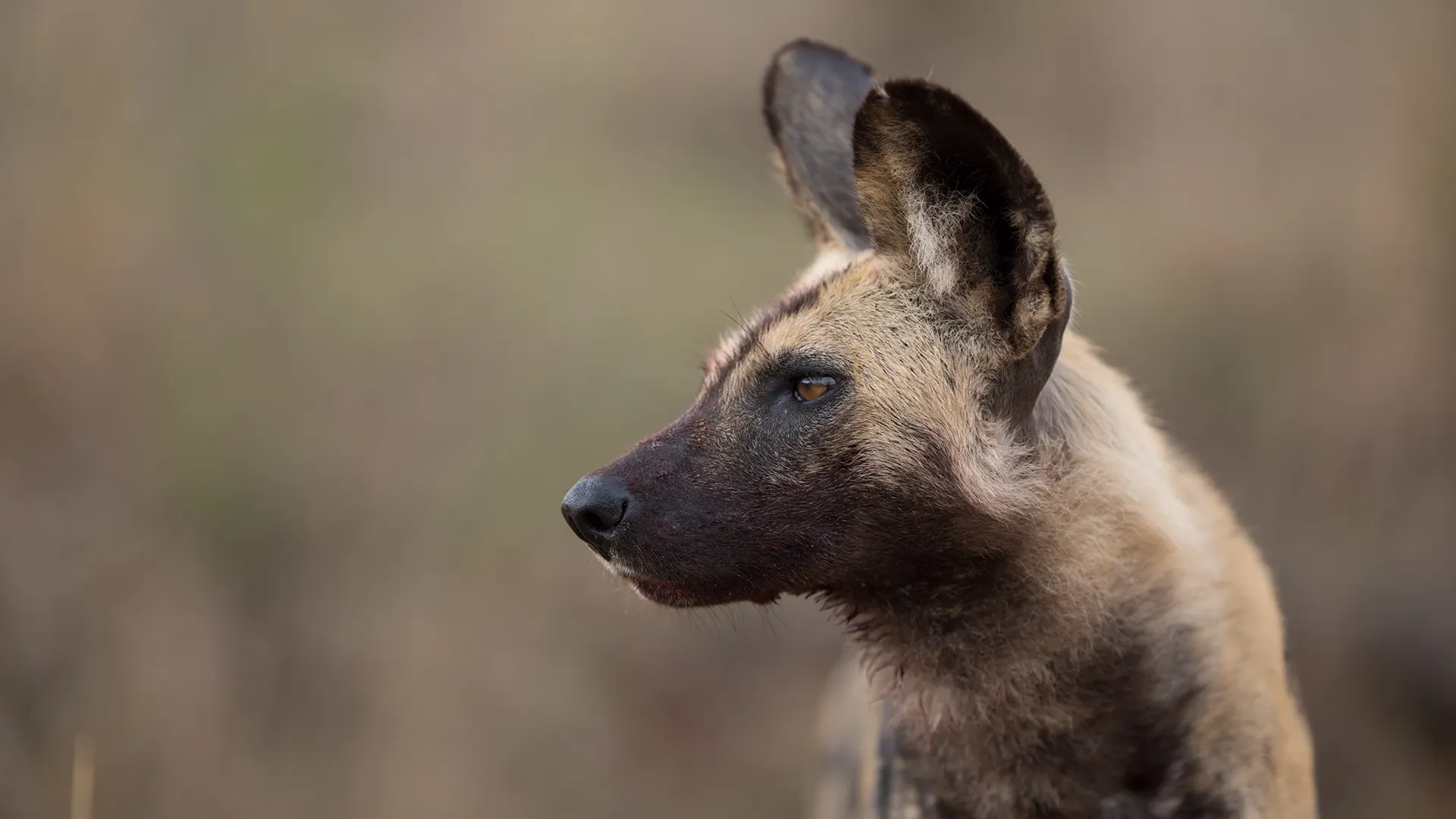
African wild dogs are lean, long-legged canids with deep chests, narrow waists, large rounded ears, and long legs built for endurance. They are not heavy like hyenas or powerful like lions. Their body is made for running, stamina, and efficient movement across open ground.
Their coat is one of their most recognizable features. The irregular pattern of black, white, tan, brown, and yellow patches gives each animal an individual identity. Their tails often have a white tip, which may help pack members follow one another through grass and woodland.
The ears are large and rounded, helping with hearing, communication, and heat regulation. Their jaws are strong, and their teeth are adapted for a highly carnivorous diet. Unlike many other canids, African wild dogs usually lack dewclaws on the forefeet, a feature often noted in anatomical descriptions.
Adults typically weigh about 18 to 36 kg, with males and females similar in appearance, though males may be slightly larger. Their build is athletic rather than bulky, suited to long-distance movement and repeated bursts of speed during a hunt.
Habitat and Distribution
African wild dogs once ranged widely across sub-Saharan Africa. Today, their distribution is much smaller and highly fragmented. They have disappeared from much of their former range, especially in North and West Africa, and survive mainly in eastern and southern Africa.
Important remaining landscapes include parts of Botswana, Zimbabwe, Zambia, South Africa, Namibia, Tanzania, Mozambique, and Kenya. Strongholds include the Okavango Delta and surrounding Kalahari systems, Hwange, Mana Pools, South Luangwa, Kafue, Kruger and associated reserves, Selous/Nyerere, Ruaha, and parts of the Greater Limpopo and Kavango-Zambezi regions.
African wild dogs use a variety of habitats, including savannas, open plains, grasslands, woodlands, scrublands, semi-arid areas, and forest-edge mosaics. They are often associated with open and semi-open landscapes where they can travel long distances and hunt by endurance.
They require large territories. This is one reason they are difficult to conserve. A pack may range far beyond park boundaries, crossing roads, farms, livestock areas, and community lands.
Behavior and Social Life
African wild dogs are among the most social carnivores in Africa. Their packs are usually centered around a dominant breeding pair, though pack structure can vary. Most pack members help raise pups, hunt, defend territory, and care for one another.
Their greeting ceremonies are energetic and expressive. Before a hunt, pack members may gather closely, vocalize, lick faces, wag tails, crouch, and move excitedly around one another. This social excitement helps coordinate the group.
One of their most striking behaviors is cooperative care. Adults regurgitate food for pups, den-bound mothers, and sometimes injured or weaker pack members. Pups are often allowed to feed before adults at a kill, which is unusual among many carnivores.
Dispersal patterns differ by sex and region, but females often leave their birth pack to join or form another group. Males may remain with relatives, helping build stable male lines within packs.
African wild dogs communicate through high-pitched calls, twittering sounds, whines, growls, body posture, scent marking, and movement. Their contact call, sometimes called a “hoo,” can travel through the bush and help separated pack members find one another.
Diet and Hunting
African wild dogs are carnivores and skilled cooperative hunters. Their main prey is usually medium-sized antelope, though diet varies by region.
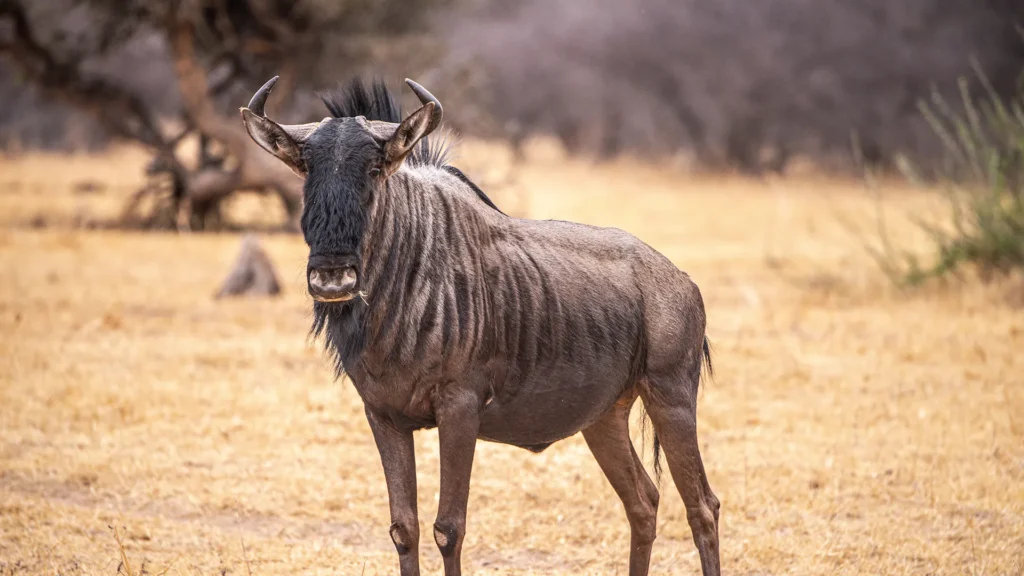
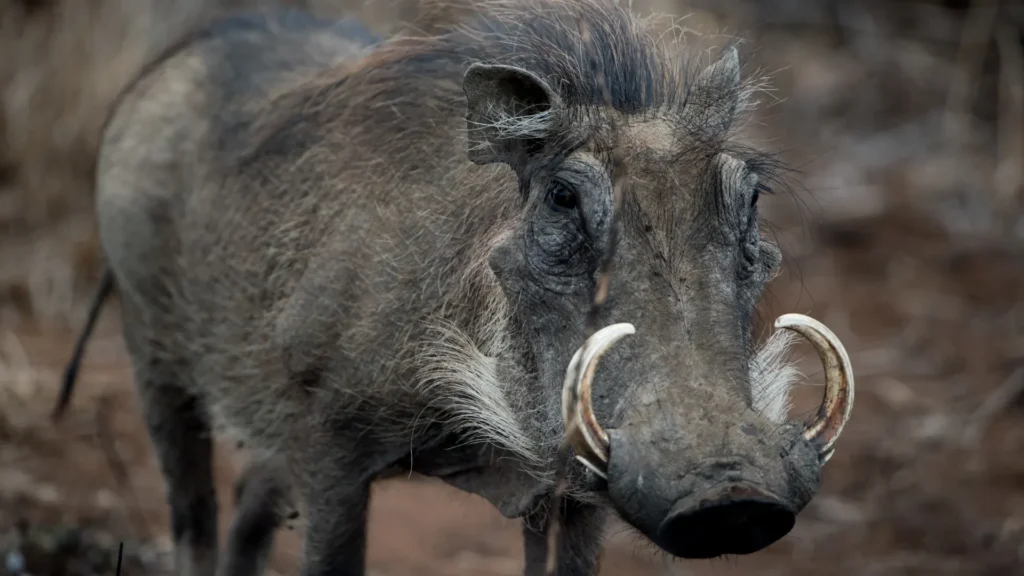
Common prey includes impala, gazelles, springbok, duiker, kudu calves, wildebeest calves, warthog, hares, and other small to medium-sized animals. In some areas, they may hunt larger prey through teamwork, but they generally avoid unnecessary risk.
Their hunting style is different from that of ambush predators. Lions rely on power and surprise. Leopards rely on stealth. Cheetahs rely on speed over a short burst. African wild dogs rely on coordination, endurance, and repeated pressure.
A hunt often begins with the pack selecting a vulnerable animal from a herd. The dogs may fan out, take turns pursuing, and adjust direction as the prey tires. Their success rate is often high compared with many other large carnivores, though exact rates vary by habitat, prey, pack size, and study area.
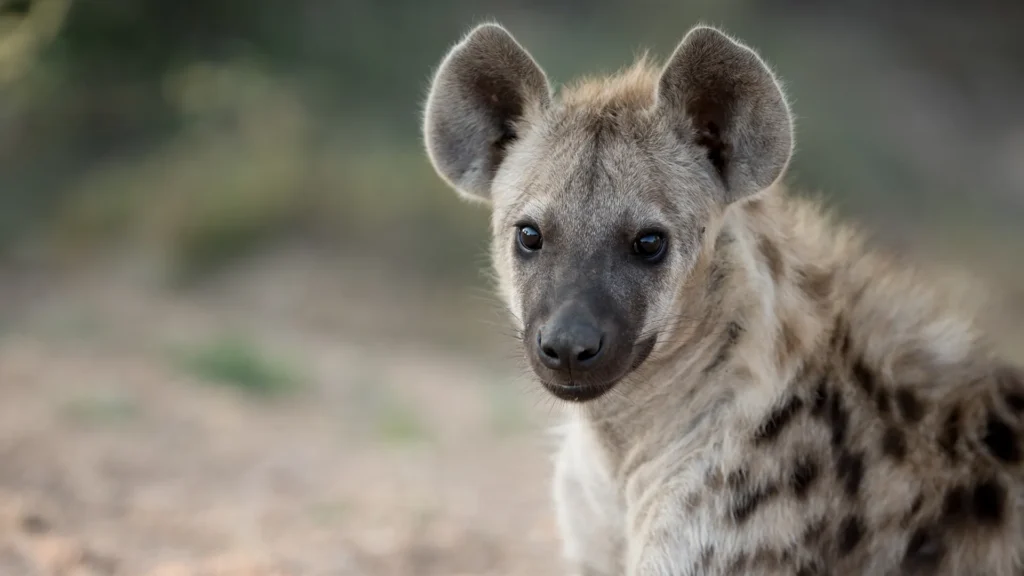
After a kill, feeding can be fast. Because lions, hyenas, and other scavengers may steal carcasses, the pack often eats quickly. Adults may then return to the den and regurgitate food for pups.
Reproduction and Life Cycle
African wild dogs usually breed seasonally, though timing varies by region. In many populations, the dominant female gives birth in a den, often using an abandoned aardvark burrow or another sheltered site.
Gestation lasts about 70 days. Litters are large compared with many carnivores, often around 6 to 12 pups, though litter size can vary. Pups remain at the den for the early part of life while adults hunt and bring back food.
The whole pack helps raise the pups. This cooperative breeding system is one of the species’ defining traits. Adults guard the den, regurgitate food, and adjust pack movements around pup survival.
Pups begin emerging from the den after several weeks and gradually join the pack on short movements before eventually traveling with adults. Young dogs learn by watching, following, playing, and later participating in hunts.
Survival depends on pack size and stability. Disease, lion predation, hyenas, starvation, den disturbance, snares, road deaths, and human conflict can all reduce pup survival.
Taxonomy
Kingdom: Animalia
Phylum: Chordata
Class: Mammalia
Order: Carnivora
Family: Canidae
Genus: Lycaon
Species: Lycaon pictus
The African wild dog is the only living member of the genus Lycaon. Its closest relatives are other canids, but it is distinct from wolves, jackals, domestic dogs, and foxes.
Regional variation exists across its range, and several subspecies have been proposed historically, but modern conservation writing often treats the species as a whole while focusing on regional populations and conservation units.
Conservation Status
The African wild dog is listed as Endangered on the IUCN Red List, and its population trend is decreasing. The species is now one of Africa’s most threatened large carnivores.
Many conservation sources estimate about 6,600 wild dogs remaining, including only about 1,400 mature individuals. Because wild dogs live in packs and only some adults breed, the number of breeding animals is much smaller than the total population suggests.
Major threats include:
- Habitat fragmentation.
- Loss of large connected landscapes.
- Conflict with livestock owners.
- Snaring and accidental trapping.
- Road collisions.
- Disease, especially rabies and canine distemper.
- Small isolated populations.
- Persecution due to misunderstanding or fear.
- Competition and predation from lions and hyenas.
- Prey decline in degraded landscapes.
African wild dogs are especially vulnerable because they range so widely. Even packs living inside protected areas may travel beyond park boundaries, where they face roads, snares, livestock conflict, and disease from domestic dogs.
Conservation work includes anti-snare patrols, vaccination programs for domestic dogs around protected areas, road mitigation, den monitoring, community education, transboundary conservation, research collaring, and protection of wildlife corridors.
Human Relationship and Responsible Travel
African wild dog sightings are special because the animals are rare, mobile, and often active in the cooler hours of the day. A good sighting may involve a resting pack, pups at a den, a pre-hunt greeting ceremony, or dogs moving purposefully through woodland.
Responsible viewing is essential. Vehicles should never block a pack’s movement, crowd a den, separate pups from adults, or interfere with a hunt. If wild dogs are moving, guides should give them space and avoid forcing them off roads or into thick cover.
Den sites require special care. Pups are vulnerable, and repeated disturbance can cause stress or even den abandonment. Ethical guides follow reserve rules and limit pressure around dens.
Travelers should also avoid language that treats African wild dogs as pests or lesser predators. They are intelligent, cooperative, endangered carnivores with an essential role in healthy ecosystems.
A respectful wild dog sighting lets the pack stay together, make its own choices, and move through its territory without pressure.
Final Reflection
The African wild dog is one of the great social animals of the African wilderness. It survives through trust, speed, communication, and shared responsibility. Its life is not built around the power of one individual, but the strength of the pack.
That is what makes its conservation story so urgent. A wild dog is rarely just one animal. It is a hunter, sibling, helper, guardian, pup feeder, and pack member. When a population disappears, a whole social system disappears with it.
To watch African wild dogs well is to notice the small things: the greeting before a hunt, the white tail tips in grass, the pups waiting for food, the injured animal still cared for by the group. Their future depends on whether Africa’s wild landscapes remain connected enough for a pack to keep moving.