

The best overall time for an African safari is during the dry season from June to October, when thin vegetation and scarce water draw wildlife into the open. But “best” shifts depending on what you want to see, where you want to go, and how much you want to spend. This guide breaks it all down.
Key Takeaways
The best safari months are generally from May to October, when the dry season delivers concentrated game viewing across most of Southern Africa and parts of East Africa.
The green season from November to April offers lush landscapes, fewer crowds, and lower prices, plus calving season drama and exceptional birding.
East Africa supports nearly year-round safari travel, while Southern Africa is strongest from June to October. Botswana November is a powerful shoulder-season bridge between the two.
Travelers combining safari with Cape Town should note that Cape Town’s warm, dry peak (December to March) is the reverse of Kruger and Botswana’s prime wildlife months.
Trav Heir covers African safari timing with Botswana as a home market. The sections below unpack each region, month, and special interest so you can plan with confidence.
How Safari Seasons Work Across Africa
African safari timing hinges on two broad seasons: dry and wet. The dry season favors classic game viewing because vegetation thins and animals cluster near permanent water. The green season (also called the wet season or rainy season) brings rain, fresh grasses, newborn animals, and migratory birds, but wildlife disperses across the landscape.
These seasons play out differently depending on the region. Here is the general pattern:
In most Southern Africa parks (Botswana, South Africa, Namibia, Zambia, Zimbabwe), the dry season runs from about May or June to October. The green season spans roughly November to March, with April and May as shoulder months.
In East Africa (Kenya, Tanzania), there are two rainy spells: “long rains” from late March through May and “short rains” around October to November. Dry windows fall in January to February and June to October.
Game viewing improves as bush cover drops and water becomes scarce, concentrating wildlife near rivers and watering holes. During the green season, animals spread out, roads can be muddy, but the scenery is dramatic and prices are lower.
As a general rule, peak season for safaris is from May to October across most safari destinations. But different seasons reward different priorities, and the month-by-month breakdown below shows exactly how.
Dry Season Safaris Deliver the Easiest Game Viewing
The dry season is from May to October in Africa, and it is the window most first-time safari travelers target. Park authorities across the continent, from SANParks in South Africa to Botswana Tourism, generally point to these months for reliable wildlife viewing.
Here is why the dry season works so well:
Vegetation is sparse, making it easier to spot large animals from a safari vehicle during game drives.
Water sources shrink, and wildlife gathers around the remaining waterholes and rivers. Animals gather in dense concentrations that are easier to find and photograph.
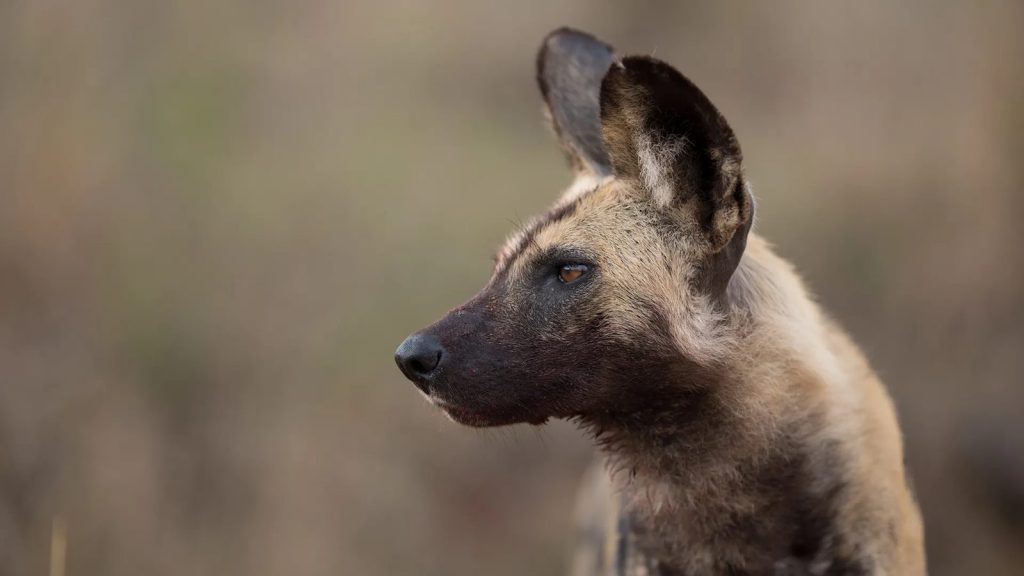
Predator-prey drama intensifies as big cats and wild dogs patrol predictable water points.
The dry season provides better wildlife visibility due to thinner vegetation across parks like the Okavango Delta, Chobe National Park, Kruger National Park, South Luangwa, Hwange National Park, and Etosha National Park.
September and October are often the best months for wildlife viewing. October is excellent for wildlife viewing due to scarce water, with animals packed into shrinking riverine corridors. October is often the best month for wildlife visibility across both East Africa and Southern Africa.
The trade-offs of dry season travel are worth knowing:
This is high season. Nightly rates at top lodges peak, and availability tightens.
Early mornings can be cold, especially in Botswana’s Kalahari and in Kruger during June and July.
Dust rises as the landscape dries out, and the bush can feel stark rather than scenic by late October.
You will share popular game reserve areas with more safari vehicles, especially in the Masai Mara and northern Serengeti.
For many travelers from the northern hemisphere, the June-to-October window aligns conveniently with summer holidays and school breaks.
Green Season Brings Calving, Birding and Lower Prices
The green season runs from November to April across much of Southern Africa. In East Africa, the wetter months are roughly March to May and November to December. This period transforms the landscape from golden browns to vivid greens.
During the green season, many animals give birth, attracting predators to the plains. Calving season in Tanzania typically occurs in January and February, with the southern Serengeti and Ndutu area hosting huge numbers of wildebeest births. February is generally peak calving season in the Serengeti, and predator activity surges as lions, cheetahs, and hyenas exploit the abundance of young animals on the open plains.
Here are the key benefits of green season travel:
Baby animals and predator action. Newborn animals across many safari destinations draw predators, creating intense wildlife drama rarely seen in the dry months.
Birding at its peak. The green season from November to April attracts migratory birds from Europe and Asia, and resident species enter breeding plumage. Birdwatching is especially rewarding during the green season due to increased migratory activity. Migration of birds and breeding cycles peak during this period.
Photography. Dramatic storm clouds, saturated colors, and lush vegetation create rich backdrops for landscape and wildlife images.
Value. Many Botswana, Zambia, and Zimbabwe camps discount green-season stays. Botswana operators often offer substantial discounts off peak rates, according to published operator rates. Green season (November to April) features fewer crowds and lower prices at many safari destinations.
Key highlights of the green season include exceptional birdwatching and vibrant scenery. Traveling during the green season can result in lush landscapes that transform familiar parks into something entirely new.
The trade-offs:
Thicker bush means animals are harder to spot.
Increased mosquito and malaria risks are associated with the wet season. Pack prophylaxis and repellent.
Some remote lodges close, especially during the heaviest rains.
Roads in remote areas can flood, limiting access to certain camps.
Regional Timing: East Africa Offers Year-Round Big Game
East Africa, meaning Kenya and Tanzania, can support a safari experience at almost any point in the calendar. The best time to visit depends on whether you want the Great Migration, calving season, or fewer crowds and warmer temperatures.
Kenya highlights:
June to October is the main dry season in the Masai Mara. Game viewing is superb, with big cats and large animals easy to locate.
The Great Migration peaks from July to September in Kenya, with migrating herds crossing the Mara River in dramatic river crossings. This is the wildlife experience most often shown in documentaries.
January to February offers another dry window with pleasant temperatures, good predator activity, and thinner crowds.
Visit Kenya during the long rains (March to May) only if you are flexible. Rainfall can disrupt travel in remote areas during long rains, and many lodges may close during the long rains from April to May in East Africa.
Tanzania highlights:
Visit Tanzania from December to March to witness calving season in the southern Serengeti. The herds gather around Ndutu and the southern plains of Serengeti National Park.
June to July brings Grumeti River crossings in the western corridor.
August to October delivers the Mara River crossings in the northern Serengeti, one of the most dramatic spectacles in the natural world.
The wildebeest migration follows a roughly circular path, returning south by November and December.
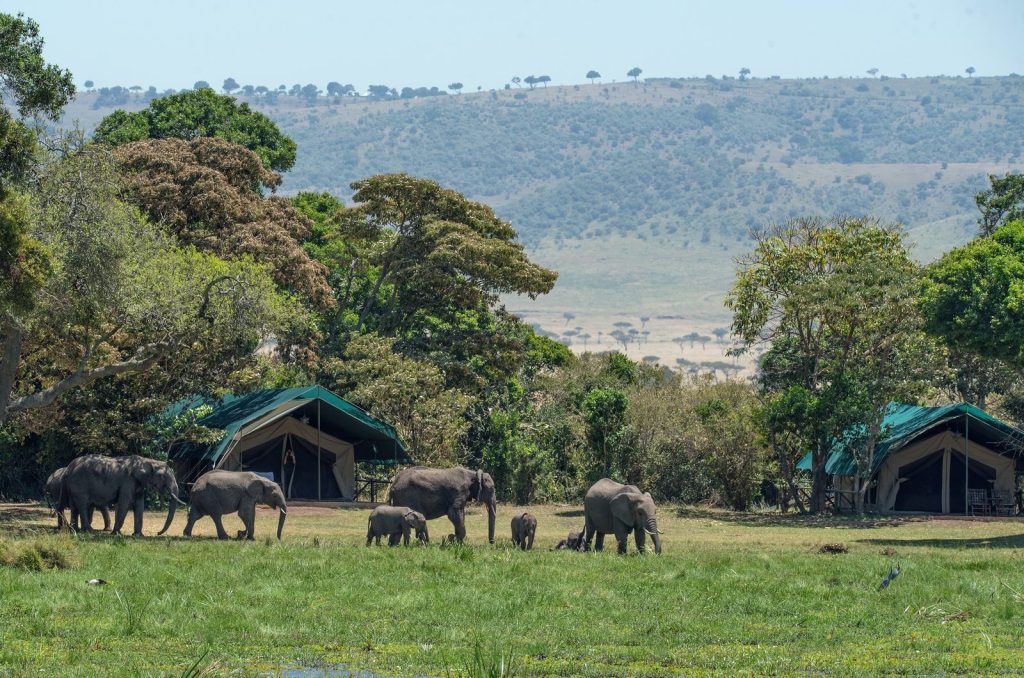
Northern Tanzania parks like Tarangire National Park also shine in the dry season, when elephants and other wildlife concentrate along the Tarangire River. Walking safaris in select conservancies offer a more intimate way to experience the bush during quieter shoulder months.
Best-for windows in East Africa:
Great Migration and river crossings: July to October
Calving season and predator drama: late January to February
Photography and dramatic skies: November and March to April
Value and fewer crowds: November and early December
General big-game viewing: June to October
Regional Timing: Southern Africa Peaks in the Dry Months
Southern Africa follows a more uniform seasonal pattern. The dry season lasts from May to October in Southern Africa, and this is when wildlife viewing is best due to thinner vegetation and concentrated animal movements.
Botswana: Peak game viewing in the Okavango Delta, Linyanti, and Chobe typically falls from July through October. Floodwaters from Angola reach the delta during these months, expanding waterways well beyond their non-flood size. This means the Okavango is lush even as the surrounding Kalahari dries out. Visit Botswana during this window to see elephants along the Chobe River (Botswana is often called the elephant capital of Africa), wild dogs in Linyanti, and big cats across Moremi Game Reserve.
South Africa: Kruger National Park and adjacent private reserves like Sabi Sand are strongest from roughly June through September. Visit South Africa during these months for cool, dry game drives with excellent visibility. The Garden Route, by contrast, is enjoyable year-round.
Namibia: Visit Namibia and Etosha National Park from June to October, when animals cluster at waterholes and the Skeleton Coast is cool and atmospheric.
Zambia and Zimbabwe: South Luangwa and Hwange National Park peak from July to October. Mana Pools in Zimbabwe offers outstanding walking safaris and photographic opportunities in the same window. Victoria Falls is fullest between about February and May, while Devil’s Pool is accessible from roughly August to December when the Zambezi’s flow drops.
Seasonal nuances:
Early dry season (May to June) offers more comfortable temperatures and lower crowding.
Late dry season (September to October) delivers intense but sometimes very hot, dusty conditions.
Botswana November Offers a Powerful Shoulder-Season Sweet Spot
Botswana November sits between the classic dry season and the wetter green season. Botswana’s green season is from November to March, and November marks the very beginning of this transition.
Why Botswana November works:
Game viewing in Chobe, Linyanti, and the Okavango Delta can still be excellent in early November. Wildlife gathers along waterways before the first heavy rains fully disperse herds.
The first afternoon storms cool the air and create dramatic photographic conditions.
Rates at many camps begin to drop compared with September and October. Shoulder months like November offer great value for safaris.
Migratory birds start arriving, improving birding. Species in breeding plumage appear across the Makgadikgadi Pans and the delta.
Crowds thin significantly, giving travelers a more private safari experience.
The trade-offs: heat can build before storms break, and some remote roads may soften. But for value-conscious travelers who still want high-quality sightings, Botswana November delivers a different kind of safari in Africa, one that bridges two distinct seasons.
How to Match Safari Timing to Your Interests
The best times for classic safari experiences can vary based on wildlife priorities. Your travel style, interests, and comfort level should drive the calendar choice, not just the weather.
Great Migration and river crossings: Target July to October in the northern Serengeti and Masai Mara. The Great Migration peaks from July to September, with migrating herds crossing the Mara River.
Calving season and predators: Late January to February in the southern Serengeti. Thousands of young animals hit the plains, and big cats hunt aggressively.
Classic big-game viewing: August to October across most Southern African parks. Animals gather at dwindling water sources and the bush is at its thinnest.
Birdwatching and green landscapes: November to March across many safari destinations. Migratory birds from Europe and Central Asia arrive. Lush vegetation transforms the landscape.
Family travel: Many family-friendly lodges in Kenya, South Africa, and Tanzania emphasize the cooler, drier months of June to August. Lower malaria risk and pleasant temperatures make game drives with young children easier. Volcanoes National Park in Rwanda for gorilla trekking is also popular with families in this window.
Photography: Directional light and clear skies are strongest late in the dry season. Dramatic storm clouds and saturated greens dominate early in the green season.
Combining Safari With Cape Town and Coastal Add-Ons
Many visitors pair an African safari with a city or coastal extension. Understanding different seasons across the continent helps you plan a seamless trip.
Cape Town has a Mediterranean climate. Warm, dry weather runs from roughly November to March, the reverse of Kruger and Botswana’s peak. A classic dry-season safari (June to September) pairs with a cooler, wetter Cape Town, while a December trip means greener bush but prime beach weather on the Garden Route.
Victoria Falls is fullest between February and May, offering maximum spray and drama. June to August offers clearer views of the falls and easier pairing with nearby safaris in Chobe National Park or Hwange.
Indian Ocean islands like Zanzibar peak from June to October and December to February, aligning well with either a dry-season or green-season safari.
Reconciling these windows requires trade-offs, but the best approach is to anchor your trip around your top priority and build the add-ons around it.
Cost, Crowds, and Booking Windows Shape Your “Best Time”
Beyond wildlife and weather, budget and availability shape when you should go on safari. Here is how seasonal economics play out:
Peak pricing aligns with the dry season (June to October) and Great Migration weeks. This is high season across most safari destinations. Operators commonly advise booking key camps 9 to 12 months ahead.
Shoulder months like May and November often deliver lower nightly rates, more flexible availability, and still-solid game viewing in many parks.
Low season and green season discounts can be substantial in Botswana, Zambia, and Zimbabwe. Off-peak travel can offer lower prices and fewer crowds at camps that remain open.
Green season trade-offs include possible rain, road closures, and heat. Factor in warmer temperatures and the need for mosquito precautions when budgeting for the wet season.
For travelers willing to be flexible, the shoulder months are often the smartest play: strong wildlife, better rates, and a quieter, more personal safari experience.
Frequently Asked Questions
These practical questions address details that complement the main sections above.
Is there a single “best month” for an African safari?
Many guides highlight September or October as standout months. October is often the best month for wildlife viewing in Africa because water is scarce, vegetation is sparse, and game concentrations peak in both East and Southern Africa. But weather varies year to year, and great safaris are possible across the full June-to-October dry season in most major national park destinations.
When is the best time to safari with young children?
Families often prefer cooler, drier months like June to August. In malaria-managed areas such as South Africa’s Kruger region and certain private reserves, risk is lower during the dry winter months. Many family-oriented lodges limit game drive participation by age, so confirm policies when you book. Always seek medical advice on malaria prophylaxis before you visit Africa with children.
How far in advance should I book a safari in peak season?
For peak dry-season trips in popular areas like the Masai Mara, Serengeti, Okavango Delta, and Sabi Sand, plan to book at least 9 to 12 months ahead. Top Botswana camps during July to October can require 12 to 18 months of lead time. Green season travel offers more flexibility and last-minute availability.
Can I go on safari in the heart of the rainy season?
Yes, but expect muddy roads, thicker vegetation, some lodge closures, and heavy rains in parts of East Africa from March to May. Certain Kenyan conservancies and South Africa’s private reserves still operate year-round and can offer dramatic, quieter wildlife experiences. The rainy season suits adventurous travelers comfortable with unpredictability.
What is the best time of year to go on an African safari for birdwatching?
Many birders target the green season, especially November to March, when migratory birds from Europe and Asia arrive across East and Southern Africa. This is also when resident species display breeding plumage. The Okavango in December can hold an impressive number of bird species in a single morning. Local peak months vary by country and habitat, so check regional birding calendars for specifics.