
Key Takeaways
The Okavango Delta offers remote, water-based wilderness while Chobe National Park delivers intense big-game viewing along the Chobe River. Both rank among the world’s heavyweight safari spots, and choosing between them comes down to how you want to move, what you want to see, and how much time you have.
Okavango Delta = mokoro canoe rides, walking safaris, fly-in remoteness, lower visitor density
Chobe National Park = one of Africa’s largest elephant populations, easy road access, river cruises, dramatic herd sightings
Both together = the ideal Botswana safari combo, pairing wetland silence with savanna spectacle
Most first-time visitors can reach Chobe more easily via Kasane and Zambia’s Victoria Falls. The Okavango Delta, one of the world’s great inland deltas, usually costs more and feels wilder. If budget or time forces a choice, read on.
Two Very Different Botswana Safaris in One Country
A large share of Botswana is protected land, and the country stakes its tourism identity on quality African safaris rather than volume. Within that network of protected wildlife reserves, two regions dominate: the Okavango Delta and Chobe National Park.
The Okavango Delta is a UNESCO World Heritage Site, inscribed in 2014, where the Okavango River reaches the edge of the Kalahari Desert and fans into an inland delta instead of flowing to the sea. Chobe was proclaimed as Botswana’s first national park in the 1960s, anchored by the lush Chobe Riverfront and stretching across woodland forest, marsh, and open plains.
Both can be visited on one Botswana safari. Travelers with limited time or budget often choose between them, and the choice is less about quality than about style:
Okavango Delta: water-based, remote, premium-level fly-in lodge experiences, fewer vehicles
Chobe National Park: road-and-river access, varied budgets, big herds, short transfers from Kasane
Both destinations emphasize conservation and protecting wildlife through low-density tourism protocols, and both offer high-quality eco-tourism that preserves natural ecosystems.
Okavango Delta Delivers a Water Wilderness You Will Not Find Elsewhere
The Okavango Delta is one of the world’s largest inland deltas, a place where floodwaters arrive from Angola roughly May through July and peak during Botswana’s winter dry season. The delta’s expanse floods the otherwise parched Kalahari region, transforming dry sands into fertile wetland plains alive with wildlife.
The Okavango Delta is characterized by diverse landscapes including lagoons, floodplains, reed channels, and palm islands. Where the Okavango River reaches the inner delta, thick river reeds line channels barely wide enough for a mokoro. Seasonal flooding means the landscape changes month to month, and wildlife migrates accordingly, concentrating on shrinking islands as water rises.
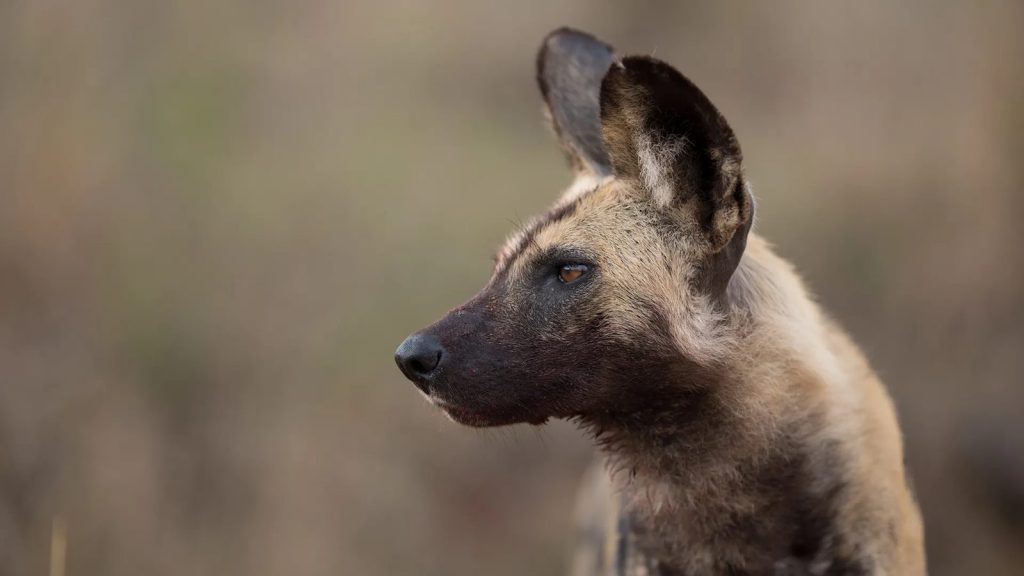
Core safari areas include private concessions across the inner delta, plus Moremi Game Reserve on the eastern fringe, a wildlife reserve known as a stronghold for the endangered African wild dog. Visitor density stays low. The Okavango Delta experience begins for most guests with a light aircraft flight from Maun, and that remoteness keeps the feel intimate and peaceful.
Chobe National Park Concentrates Big Game Along the Chobe River
Chobe National Park stretches across roughly 11,700 square kilometers, and Chobe encompasses four diverse wildlife regions: the Chobe Riverfront near Kasane, Savute Marsh, the Linyanti wetlands, and the Ngwezumba pans. Each region has a distinct character, from riverine forest to open African plain.
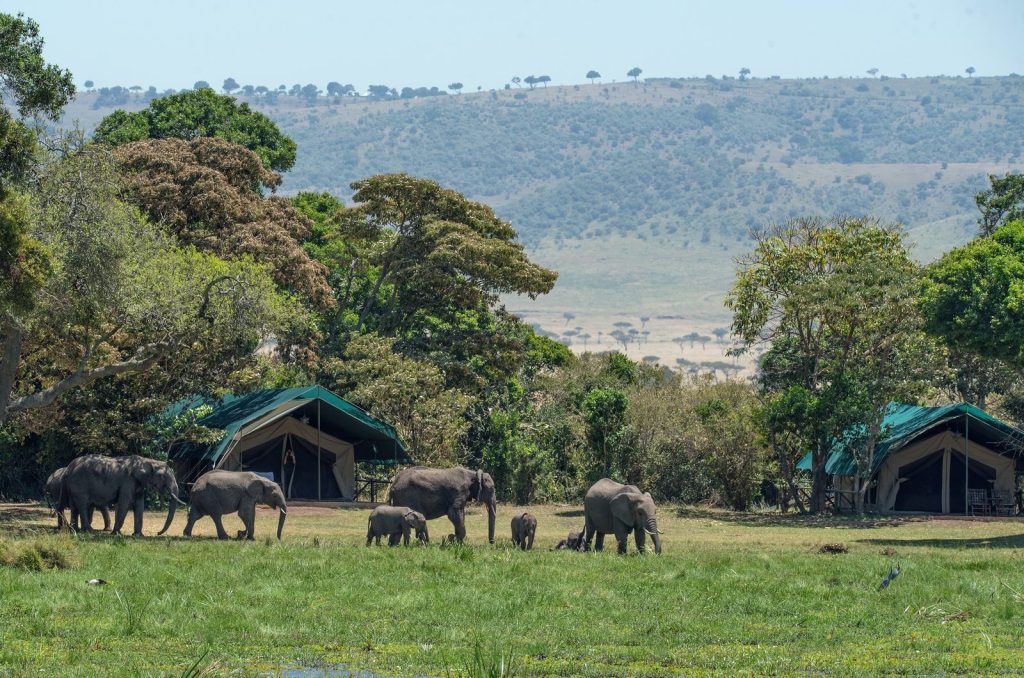
Chobe National Park is home to one of the largest elephant populations in Africa, according to government aerial surveys, making it one of the densest elephant areas on the continent. During the dry months, food beckons animals toward the Chobe River, and elephants cross in dramatic herds while wallowing hippos surface nearby. The Chobe River supports abundant wildlife particularly during the dry season, creating the kind of busy, high-action sightings that define a Chobe National Park safari.
Chobe is also one of Africa’s best places to see big cats, with roaming lions stalking impala across Savute’s open pans and leopards lurking in riverside woodland. The feel here contrasts sharply with the secluded Okavango Delta safari: more vehicles, bigger herds, shorter transfers, and a sense of sheer abundance.
Wildlife Sightings Differ in Density, Drama, and Style
Both the Okavango Delta and Chobe National Park support massive concentrations of iconic African fauna including elephants, and both destinations provide excellent opportunities for wildlife photography, particularly during the dry season. But the viewing styles are distinct.
What you see in Chobe: The Chobe Riverfront provides high-density wildlife sightings during the dry season. Expect a baby elephant splashing at the water’s edge, striped zebra grazing the floodplain, Nile crocodiles basking on sandbars, and large African animals gathering in numbers that feel almost cinematic. Birdlife is rich, with species like African fish eagle and carmine bee-eater.
What you see in the Delta: The Okavango Delta hosts hundreds of bird species, and migratory birds fill the skies during the wet months. Mammals include elephants, red lechwe, hippo, big cats, and the African wild dog. Wildlife in the Okavango Delta thrive on the seasonal flood cycle, with animals concentrating on islands and channels. Sightings tend to be quieter, more personal, and shaped by water rather than roads.
Neither destination is objectively better for wildlife overall. Chobe suits travelers who love big, busy scenes. The Delta suits those who prefer intimate, exceptional wildlife encounters.
Safari Activities Shape Your Days in Very Different Ways
The key experiential difference is how you move. In the Okavango Delta, you glide. In Chobe National Park, you drive or cruise.
Okavango Delta offers mokoro (dugout canoe) excursions poling through shallow channels, motorboat trips where water levels allow, guided walking safari outings on floodplain islands, and game drives in drier concessions near Moremi Game Reserve. Mokoro safaris in the Okavango Delta provide unique wildlife viewing, putting you at water level among lilies and reeds. The Okavango Delta ironically feels most alive during the dry season, when rising floodwaters force game onto shrinking land.
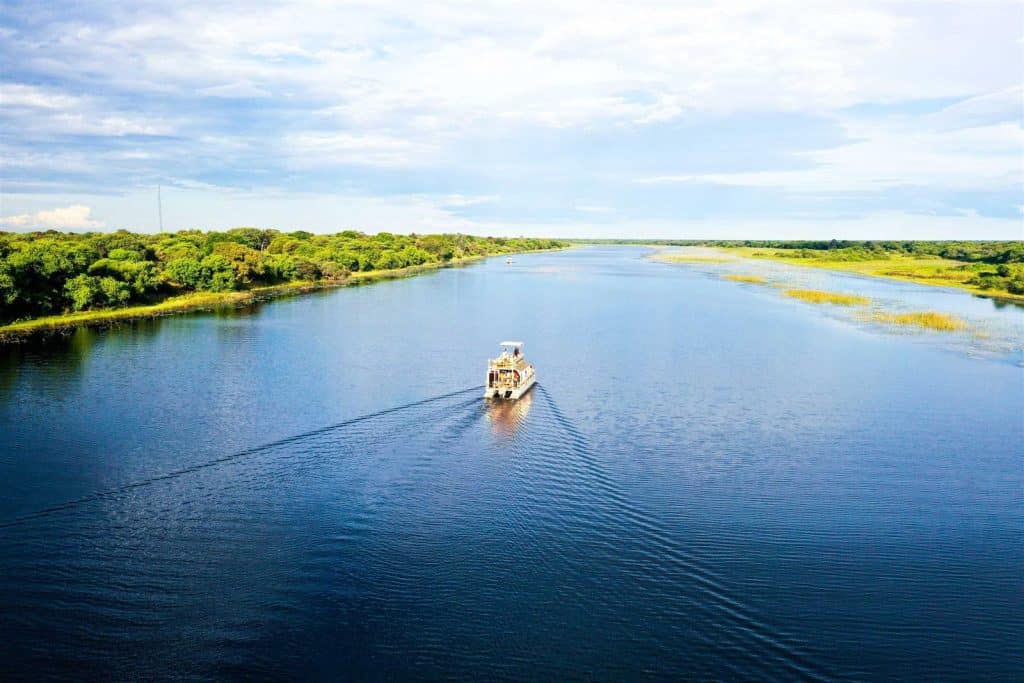
Chobe National Park offers both game drives and river cruises. A morning game drive along the riverfront reveals lions, buffalo, and elephants at first light. A sunset Chobe River safari by boat brings low-angle photographs of a baby elephant at the bank, wallowing hippos, and feeding fish eagles. Chobe National Park is renowned for spectacular river cruises that provide close-up views of wildlife. Boat safaris and river cruises run consistently whenever the river is navigable. In Savute, wildlife tracking across dry pans delivers raw predator drama.
Okavango activities depend strongly on annual flood levels, while Chobe’s water is permanent.
Seasonality Means “Best Time to Go” Is Not the Same
Botswana’s seasons split into a dry winter (about May to October) and a green, wet summer (about November to April). The dry season in Botswana is from May to October, making it the best time for wildlife viewing across both regions.
Chobe National Park: The best time to visit Chobe National Park is April to October, with game viewing peaking from August to October as inland water sources dry and animals crowd the Chobe River. Bird-watching is prime in Chobe from December to March, when migratory birds arrive and lush landscapes frame newborn animals. The wet season spans November to April, characterized by lush landscapes and newborn animals, though game disperses.
Okavango Delta: The Okavango Delta is best visited from May to October. Most large animals in the Okavango Delta can be seen in winter months, when flood levels are high and game clusters on islands. A July trip means cool mornings, peak flood, and classic mokoro excursions. A February trip means afternoon thunderstorms, vivid greenery, outstanding birding, and lower rates at some camps.
Accessibility and Logistics Favor Chobe for Shorter Trips
Chobe National Park is easily accessible by road, making it budget-friendly and practical for travelers on shorter schedules. If you also plan to visit Victoria Falls, Chobe is the natural pairing.
Chobe: Kasane Airport is a key access point for Chobe, with scheduled flights from Johannesburg and sometimes Cape Town. Road transfers to riverside lodges take minutes. Chobe National Park is accessible from four countries, and the Kazungula Bridge simplifies border crossings into Botswana from Zambia. Chobe’s terrain requires 4×4 vehicles for park access, but guided drives from a bush lodge or safari lodge handle that for you.
Okavango Delta: Maun is the main gateway to the Okavango Delta, a busy tourist town where most safari companies arrange charter flights. From Maun, the majority of Okavango Delta’s accommodations require light aircraft access to remote airstrips, followed by boat or game-viewer transfers. This is part of the Okavango Delta experience, but it adds cost and enforces strict luggage limits. Flights also connect from Cape Town, Windhoek, and Victoria Falls. Families who prefer less flying find Chobe simpler.
Costs, Accommodation Styles, and Crowds Feel Very Different
Botswana positions itself as a low-impact, high-value safari destination. Both regions reflect this, but the price gap is real.
Chobe: Many lodges sit outside the national park boundary near the lush Chobe Riverfront, from simple guest houses to a luxurious safari lodge overlooking the river. Chobe offers more budget-friendly options than the Okavango Delta, and day visitors can visit Chobe National Park on guided excursions from Kasane without an overnight stay.
Okavango Delta: Camps inside private concessions or Moremi fly in guests and supplies, pushing rates higher. Many fly-in properties typically cost noticeably more than comparable Chobe lodges, so ask operators for current quotes. A luxurious safari lodge in the Delta typically includes guided activities, all meals, and drinks, justifying the premium. Fewer guests per camp mean quieter wildlife sightings and a more personal feel. Chobe National Park is more accessible and cheaper to visit overall.
Itineraries That Pair Okavango Delta with Chobe Work Beautifully
Many travelers do not need to choose. A classic Botswana safari links both the Okavango Delta and Chobe, and the routing works in either direction.
A common 7 to 10 day flow: arrive at Victoria Falls, transfer to Chobe for two to three nights of river cruises and game drives along the riverfront, then fly to the Okavango Delta for three to four nights of mokoro, walking safari outings, and an Okavango Delta safari immersed in the inner delta. End in Maun or fly onward to Cape Town.
An alternative: start in Maun, visit Moremi Game Reserve or a mixed-activity Okavango camp in diverse wildlife regions, then hop to Chobe and finish at Victoria Falls. Routing depends on available flights and peak season availability in the given year. Either way, the contrast between the two is what makes a Southern Africa safari feel complete, and an extension to the Kalahari Desert adds striking contrast if time allows.
Which Is Better for You: Okavango Delta or Chobe National Park?
Choose Chobe if you are a first-time safari goer, traveling with children, working with a tight schedule, or want high-action game viewing and easy links with Victoria Falls. The elephant population alone is worth the trip, and boat cruise options along the river keep every age group engaged.
Choose the Okavango Delta if you are a repeat visitor, a photographer who values quiet sightings, a couple celebrating a milestone, or someone who prioritizes walking, mokoro, and remote fly-in camps. Both destinations offer chances to see the Big Five, though rhinos are rare due to anti-poaching measures.
If you have the time and budget, experience both. Botswana’s diversity is the real winner when you combine wetlands, savanna, and even extensions to the Kalahari Desert.
FAQ: Planning an Okavango Delta and Chobe National Park Safari
These questions come up often when readers write to Trav Heir about Botswana safaris.
Is Chobe National Park Suitable for a Self-Drive Safari?
Experienced 4×4 drivers do self-drive in Chobe, especially along the riverfront and Savute in the dry season. Deep sand and seasonal mud require skill and proper recovery gear. Many first-time visitors prefer guided game drives based out of Kasane lodges, which removes the stress of navigation and vehicle recovery.
Can Children Safely Join an Okavango Delta Safari?
Many Okavango lodges accept children but set minimum ages for walking safaris and mokoro trips, which vary by camp. Families should choose camps with family tents and child-friendly guiding. Always consult lodge policies before booking, as rules vary between concessions.
How Far in Advance Should I Book Chobe and Okavango Delta Camps?
Peak season (roughly June to October) often fills many months ahead, especially for small Okavango camps with few beds. Booking nine to twelve months in advance is wise for popular dates. Shoulder seasons can be more flexible, but favored camps still benefit from early planning.
Do I Need to Worry About Malaria in Chobe and the Okavango Delta?
Both regions lie in areas where malaria occurs according to international health bodies. Consult a travel clinic about prophylaxis well before departure. Standard precautions include long sleeves at dusk, effective insect repellent, and sleeping under treated nets. Remote camps may have limited medical infrastructure, so evacuation insurance is strongly recommended.
Should I Visit the Kalahari Desert as Well as Chobe and the Okavango Delta?
Adding the Central Kalahari Game Reserve or Kgalagadi Transfrontier Park creates a striking contrast of desert and wetland. This usually adds several nights and longer transfers, so it suits travelers with at least ten to fourteen days in the Kalahari region and broader Southern Africa.