
A family safari works best when the trip is shaped around your children, not around a checklist of famous parks. That means choosing the right country, the right age window, and the right pace so everyone, from toddlers to teenagers, comes home with memories instead of meltdowns. Here is how to plan one that actually holds together.
Key Takeaways
A family safari is an African safari experience designed around children’s ages, safety, and attention spans, not a standard adult itinerary with kids added on.
South Africa is widely regarded as the ultimate family safari destination for first-timers, with excellent infrastructure and malaria free game reserves, while Botswana, Kenya, and Tanzania each suit different age groups and budgets.
Ages 8 to 12 usually cope best with game drives and heat, but younger kids can thrive in fenced, malaria free reserves near major cities.
Private game drives, thoughtful pacing, and family friendly lodges matter more than cramming in every famous national park.
Trav Heir, based in Botswana, focuses on realistic, on-the-ground advice so families can choose the right safari now or decide to wait.
Family safaris succeed when you design around kids, not bucket lists
Glossy brochures show golden-hour leopard sightings and champagne sundowners. Real family travel in the African bush involves 5 a.m. wake-ups, a four-year-old who needs the bathroom mid-drive, and a teenager who forgot sunscreen. The gap between expectation and reality is where planning earns its keep.
A family safari means adapting wildlife viewing, logistics, and accommodation to your children’s ages and personalities. A trip that thrills a 12-year-old photography enthusiast may exhaust a five-year-old who just wants to swim. Age suitability for safari activities often varies, requiring careful planning before you book a single night.
A good fit might mean starting in a malaria free reserve near Johannesburg rather than flying straight to a remote camp in East Africa. It might mean skipping the Serengeti entirely and spending four relaxed days in a fenced South Africa lodge. Trav Heir draws on Botswana-based experience to prioritize safety, realistic drives, and unhurried game viewing over frantic country-hopping.
Consider three common family profiles:
Teens (13 to 17): Can handle long game drives, early mornings, and optional activities like horseback riding or photography walks.
Tweens (8 to 12): Ideal age range for a first safari; enough patience for two drives a day and genuine curiosity about animals.
Under 8: Best suited to shorter drives, fenced camps, and destinations with swimming pools and kid-friendly activities between sightings.
Choosing the right age for a first African safari transforms the trip
Ages 8 to 12 are widely cited by safari specialists as the sweet spot. Children in this band generally have enough patience for two safari game drives a day, can absorb wildlife education, and handle early mornings without excessive stress.
Here is what usually works and what often fails across three rough age bands:
Under 6: Short drives only. Children under 6 years are often not allowed on game drives at most lodges. Many safari lodges in South Africa have a minimum age requirement of 6 for shared vehicles. Private conservancies in Kenya offer flexibility and reduce strict rules on age and vehicle use, and many accept young children when families book private vehicles.
Ages 6 to 8: Stamina and interest increase, but pacing must still include rest and unstructured time. Most South African lodges near Kruger National Park set a minimum age for shared game drives, while some East Africa outfits accept younger kids on private vehicles.
Ages 9 to 15: Older kids handle longer drives, appreciate conservation talks, and often want autonomy with cameras or binoculars. They can manage the adventure of remote camps and internal flights.
Children must be able to sit quietly, follow instructions, and cope with heat or cold depending on the season. If those traits are not present, waiting a few years tends to yield better memories. Family safaris require balancing wildlife viewing with safety and child engagement, and temperament matters as much as age.
Safety on family safaris improves when you control the basics
Serious wildlife incidents are rare at well-run lodges. These properties enforce strict rules on walking outside vehicles, night movements, and behavior near wild animals. Family friendly lodges often have enclosures or fences near sleeping areas, reducing risk significantly. No well-managed camp treats any threat to human life casually.
Practical vehicle rules for kids on game drives:
Stay seated at all times; no dangling arms or standing up.
Keep voices low near big game like lions, elephants, or cape buffalo.
Follow the local guide’s instructions without exception.
On shared drives, be ready to sit for two to three hours without frequent stops.
Contrast fenced or semi-fenced camps in private reserves with unfenced camps deep in the African bush. The latter demand constant supervision, especially at night, and may not suit children traveling for the first time. In certain circumstances, fenced camps are the smarter call.
Non-obvious risks often matter more than the wildlife itself. Long road transfers on unpaved roads, dehydration in dry heat, and fatigue from early starts and late afternoons spent in vehicles can wear kids down faster than any animal encounter. Plan rest days and short transfer distances.
Top family safari regions each suit different ages and budgets
No African country is “best” for all families. The right fit depends on your children’s age, your medical comfort with malaria zones, and how much travel your family can tolerate. South Africa is a year-round safari destination with low malaria risk and excellent infrastructure for families.
Region | Standout Strength | Best Age Fit |
|---|---|---|
South Africa | Malaria free reserves (Madikwe, Eastern Cape), self-drive in Kruger National Park, family suites at many lodges | All ages, especially under 10 |
Botswana | Stunning Okavango Delta, Chobe, low guest density | Older kids 10+; Botswana’s activities often suit children aged 10 or older |
Kenya | Kenya renowned for wildlife density, iconic landscapes, Masai Mara, rich culture and family friendly accommodations | School-aged children and teens |
Tanzania | Serengeti, Lake Manyara, wildebeest migration, family friendly accommodations and activities including village visits | Ages 8+ comfortable with longer travel |
Namibia | Etosha National Park, self-drive, stark landscapes | Families comfortable with long distances |
Southern Africa’s dry season lasts from May to October, concentrating wildlife around water sources. East Africa experiences two rainy seasons: March to May and October to December, which affect road conditions and lodge availability. Summer months in Southern Africa are particularly favorable for family safaris due to lush scenery and lower rates.
Botswana features the Okavango Delta, ideal for family safaris with older children who can handle light aircraft and water-based activities. Kenya’s Maasai Mara and its wildlife density appeal to school-aged children and teens who want classic savanna sightings. Kenya is known for its rich culture and family friendly accommodations across a wide budget range.
Designing an itinerary that balances game drives with real downtime
Three intense game drives per day quickly exhaust most children, especially those under 10, even in world-famous parks. The best time for wildlife viewing is June to October, but that does not mean every hour of daylight should be spent in a vehicle.
A rhythm that works for most families:
Two to three nights in each camp to avoid constant packing and moving.
Two game drives per day at most, one in the early morning and one in late afternoons.
At least one midday rest, pool session, or kids club activity between drives.
Private game drives let families return early, focus on favorite animals, or cut a sighting short when younger kids need a break. Optimal family safari combinations include bush experiences followed by beach holidays. A beach break in Zanzibar or along Kenya’s coast gives everyone time to decompress.
Pair a core safari with a recovery stop. Cape Town offers Table Mountain, the waterfront, and easy amenities. Victoria Falls delivers a stunning vista and a natural break between safari legs. Zanzibar or Diani Beach rounds out the trip before the flight home.
A sample 8 to 10 day trip for a first-timer might flow like this:
Days 1 to 3: Arrive in Johannesburg, drive to a malaria free reserve in the Eastern Cape or Madikwe for gentle introductory drives.
Days 4 to 7: Move to a second camp, perhaps near Kruger National Park or fly to the Okavango Delta, for deeper wildlife immersion.
Days 8 to 10: Finish with a city or beach stop for decompression before flying home.
Picking family friendly lodges and camps changes the whole experience
“Family friendly” means flexible mealtimes, family tents or interconnecting rooms, and staff trained to host children. Some lodges offer triple rooms or family suites with enough space that nobody feels cramped. Look for properties that list kid friendly policies clearly.
South African and Botswana lodges increasingly offer activities between game drives:
Junior ranger programs teach children about wildlife through engaging activities like tracking prints, identifying bird calls, and reading animal behavior.
Guided nature walks and bush walks around camp let kids stretch their legs safely.
Basic astronomy sessions take advantage of zero light pollution.
Educational experiences on safari enhance children’s understanding of conservation and natural habitats.
Fenced camps or those inside private reserves reduce stress for parents of younger children. Kids can participate in guided nature walks on family friendly safaris without the constant supervision that unfenced camps demand. Family friendly safaris often include shorter game drives and hands-on activities to keep younger visitors engaged.
Some lodges near Kruger National Park and in private conservancies in Kenya provide private vehicles for families at extra cost. This is worth the premium if you have children under eight or a mix of ages with different stamina levels.
Understanding costs and where family safaris usually surprise people
“All-inclusive” at a safari lodge typically covers accommodation, meals, and game drives but rarely international flights, travel insurance, or high-season park fees. Pricing is usually quoted per adult rate based on double occupancy. A single room supplement applies for solo-traveling parents. Some lodges list a separate adult rate and child rate for ages six to fifteen.
Where budgets tend to balloon:
Internal flights in Botswana and remote East Africa add hundreds of dollars per person per leg.
Private vehicles typically cost noticeably more than shared drives.
Peak migration dates in East Africa can raise a family’s budget sharply compared with shoulder season rates.
Park fees in Tanzania are among the highest in Africa.
A self-drive trip through Kruger National Park in South Africa might cost a fraction of a fly-in Okavango Delta safari in Botswana. The tradeoff is less exclusivity and more self-reliance versus fully guided immersion. If stretching for the cheapest option adds long transfers and constant moves, it may be better to wait and save for a calmer trip. The most important thing is matching the safari experience to what your family can genuinely enjoy.
Health, malaria, and paperwork need early attention
Speak with a travel medicine clinic six to eight weeks before departure. Malaria medication should be taken weeks before travel, and a doctor can recommend child-safe options for your specific destinations. Travel insurance is recommended for medical emergencies, especially in remote areas.
Key health considerations by region:
South Africa has low malaria risk for families. Destinations like Madikwe and the Eastern Cape are appealing for families due to malaria free options. Many top-tier game reserves in malaria-free regions eliminate the need for prophylactics entirely.
Most East Africa regions are high-risk malaria areas. Malaria free destinations are preferred for family safaris with young children who struggle with medication.
Yellow fever vaccination may be required to enter Kenya and Tanzania, depending on where you travel from. Governments periodically adjust rules, so verify current regulations before booking.
Passport validity requirements vary by country. Some nations require six months beyond your travel dates. Visa or eTA requirements apply even for infants. When combining multiple countries, each adds documentation layers.
Basic hygiene reminders:
Drink only treated or bottled water outside the safari lodge.
Use sunscreen, wide-brimmed hats, and insect repellent daily.
Carry hydration salts and bland snack options for sensitive stomachs.
What to pack so kids stay comfortable on game drives
Pack neutral-colored clothing in olive, brown, and khaki for everyone. Avoid bright whites and camouflage patterns where they are discouraged. Layer for temperature swings: a light jacket or fleece for cold mornings in the African bush and breathable shirts for midday heat.
Practical essentials:
Wide-brimmed hats and high-SPF sunscreen
Child-safe insect repellent
Child-sized binoculars and a basic camera
A light jacket for winter mornings and cool evenings
Wildlife checklists or notebooks so kids can document African wildlife sightings
Where small planes are used, pack soft-sided luggage. This is a common rule in Botswana and remote East Africa, where light aircraft have strict weight limits. Laundry service is available at many lodges, so overpacking is unnecessary and harder to manage with children.
How different ages experience iconic African safari moments
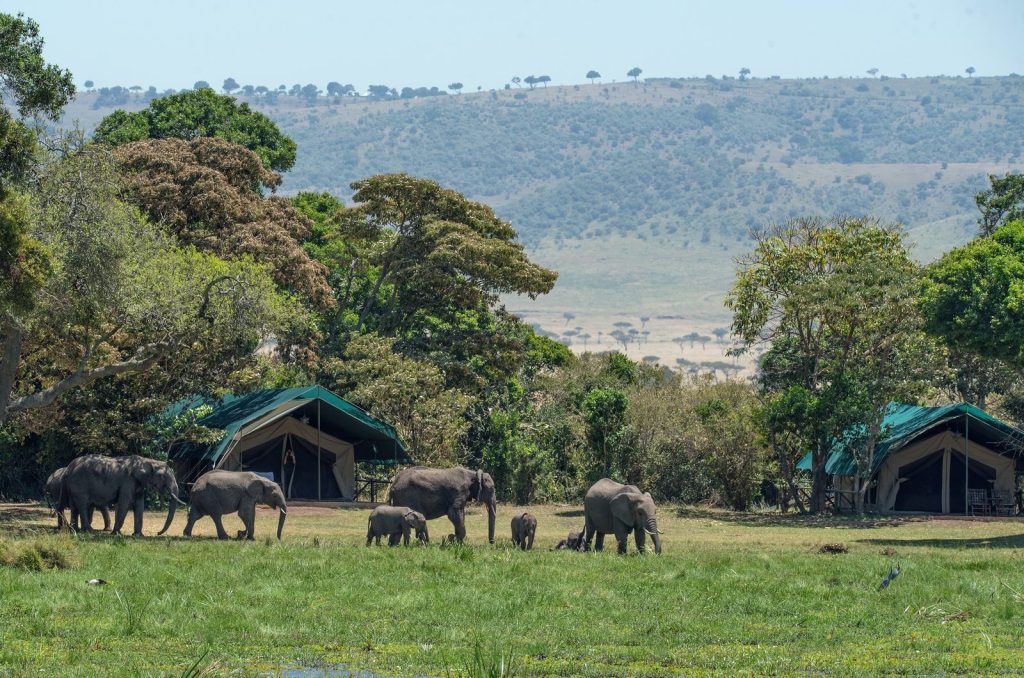
The world holds few experiences that match watching elephants cross a river at dusk or sharing stories around a campfire under a sky with no light pollution. But how those moments land depends on your child’s age and the trip’s design.
Younger kids (4 to 7): Focus on easy-to-spot animals like giraffes, zebras, and elephants near camp. Waterhole sightings from a fenced safari lodge work better than long predator hunts. Night sounds in the African bush can be thrilling when a reassuring guide explains each call.
Tweens and teens (8 to 15): Long game drives through Kenya’s Maasai Mara or the Serengeti deliver the drama of predator-prey dynamics. Tanzania’s wildebeest migration typically occurs between July and October, offering a stunning vista of movement across the plains. A hot air balloon safari over the Serengeti usually sets a minimum age around 7 or 8. Botswana canoe rides often suit children around 10 or older. In selected specialist areas, horseback riding gives teens an alternative perspective on the landscape.
Family safaris often include visits to a Maasai village or local communities where tribal traditions come alive. Tanzania offers family friendly safaris with village visits and game drives that connect children to the country’s rich culture. These encounters in natural habitats leave lasting impressions beyond the wildlife itself.
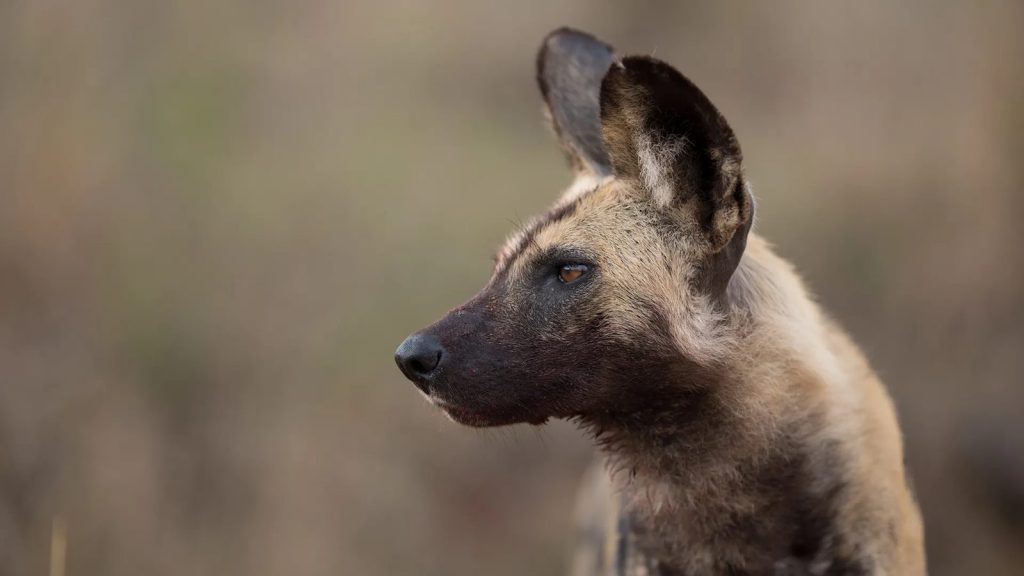
The adventure of spotting a leopard in a tree, the stillness of watching a herd drink at dawn, the shared excitement of a first sighting: these create an unforgettable experience that no screen can replicate.
Frequently Asked Questions
How long should a first family safari be?
Plan for 6 to 10 nights total, with at least 4 to 6 nights actually on safari split between one or two camps. Shorter trips reduce jet lag recovery and feel rushed. Much longer ones can overwhelm younger children with early starts. Adding 2 to 3 nights in a city like Cape Town or a beach break gives everyone time to decompress before the flight home.
Can we visit multiple countries on one family safari?
Combining South Africa with Botswana, or Kenya with Tanzania, is possible but increases complexity and cost. Every additional country adds visa rules, internal flights, and potential delays that can be harder on kids. First-timers with younger children should limit border crossings and focus on one main region rather than chasing too many destinations across the continent of Africa.
Are self-drive safaris suitable for families?
Self-drive is common in South Africa, especially around Kruger National Park, and works for confident drivers with school-aged children. It gives cost control and flexibility but requires strict adherence to park rules and constant awareness of wildlife and road conditions. In Botswana and much of East Africa, guided game drives with a local guide are usually safer and more practical for families.
What if my child is scared of animals or the dark?
It is common for younger children to feel nervous about night sounds or close wildlife during their first visit to a camp. Choose a fenced lodge with solid walls rather than a remote, unfenced tented camp. Prepare kids in advance with age-appropriate books and documentaries about African wildlife so bush sounds feel exciting, not alarming. A reassuring guide and a familiar bedtime routine help enormously.
Is Wi-Fi available on family safaris?
Many South African lodges near Kruger and some properties in Botswana, Kenya, and Tanzania offer Wi-Fi in main areas, but speeds vary widely. Some remote camps have limited or no connectivity, which can be a positive reset for teens but needs expectation management. Download offline entertainment and maps before the trip instead of relying on streaming in the African bush.