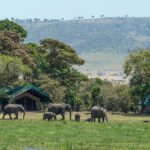


African safari photography combines fast wildlife action, unpredictable light, and strict park rules into a challenge unlike any other form of travel photography. Whether you are heading to Botswana, Kenya, Tanzania, or Uganda, the core question is the same: how do you capture sharp pictures of animals, landscapes, and quiet camp moments without overpacking or missing the shot? This guide covers gear, settings, composition, destinations, and practical tips for your first African safari or your fifth.
Key Takeaways
The best camera for a photo safari is the one you already know how to use, paired with a versatile zoom lens in the 100 to 400mm range or longer for wildlife at distance.
Practice camera settings at home before departure; a very fast shutter speed around 1/1000s, continuous autofocus, and burst mode will save more shots than expensive gear.
Early morning and late afternoon game drives deliver the warm glow and active animals that produce the best photos; midday is for rest, backups, and reviewing images.
Botswana, especially a Chobe photo safari and the Okavango Delta, and East Africa during the Great Migration are standout destinations for photographic safaris.
Bring several memory cards, extra batteries, and a simple dust-protection routine; these small details make a huge difference to the images you bring home.
Start strong: African safari photography differs from every other trip
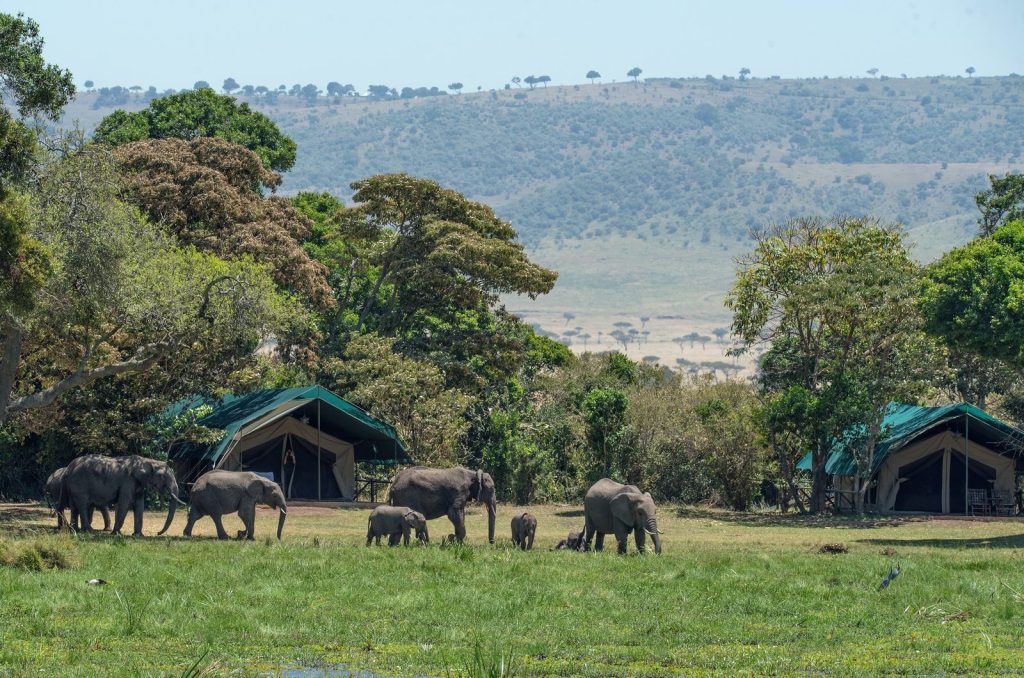
An African safari is a photographer’s dream because subjects appear at unpredictable distances and move fast. Lions sprint, elephants charge through rivers, and birds launch from reeds. Park rules keep you in the vehicle or boat for most encounters, so your platform shapes every shot.
Across Botswana, Kenya, Tanzania, and Uganda, expect a mix of wildlife photography, landscape photography, and cultural scenes. Floodplains, savannas, riverbanks, and dense forests each present different light and framing challenges.
African photo safari days revolve around golden hours. Wildlife is most active during early morning and late afternoon, so camps schedule game drives around those windows. Midday brings harsh light and animal rest; that is your time for backups and battery charging.
Most photography happens from a safari vehicle or boat trips, not on foot. Dedicated photo safari vehicles typically seat fewer guests than a standard game drive vehicle, giving each photographer space to work. These specialized vehicles often include beanbags and camera support props, rotating seats for 360-degree views, and the ability to drop sides for low-angle shots. Guides on photographic safaris are trained in photography techniques and wildlife behavior. They optimize vehicle positioning for the best lighting conditions and provide timely photo tips during excursions. Photo safari guides enhance photography skills and photographic knowledge in ways a standard safari guide may not.
Choose the right camera gear without overpacking
Charter flights across Botswana, East Africa, and southern Africa enforce strict luggage limits. Bags must often be soft-sided, and total weight per person is commonly capped at around 20 kg, including clothing and camera gear, though limits vary by operator. Every kilogram of equipment competes with clothing and personal items.
DSLRs still offer strong battery life, while mirrorless cameras tend to use more battery, though newer models are closing the gap. Both types work well on safari. Autofocus speed, weather sealing, and subject tracking matter more than the DSLR-versus-mirrorless debate. There is no single best camera. What counts is that you know the body you carry.
Camera equipment for safari includes telephoto lenses and dual camera bodies. Bringing two camera bodies eliminates most lens changes. Keep one body with a long lens locked on, and mount a wider zoom on the second camera for landscapes, camp life, and wider shots. Avoid changing lenses in dusty environments to protect camera sensors; dust on a sensor degrades every frame until you clean it.
For zoom lens guidance, a 150 to 600mm lens is ideal for wildlife photography at distance, while a 24 to 70mm range covers landscape photography, vehicle interiors, and people. A versatile zoom lens is recommended for safari photography because subjects shift from close up elephants at a waterhole to distant cheetahs on open plains within minutes.
Must-have accessories fit easily inside a camera bag: extra batteries (at least two per body, ideally more), high-speed memory cards for burst mode, a dust blower, a microfiber cloth, a light beanbag for stabilizing lenses on vehicle rails, and a comfortable wrist strap to prevent drops.
Match lenses and different focal lengths to real safari situations
Focal lengths matter more on a photo safari than on city or family trips because subjects range from a drinking elephant a few meters away to an antelope far across a plain. A single zoom lens cannot always cover both.
For most big game encounters in Chobe, Kruger National Park, Serengeti National Park, or the Masai Mara, a 70 to 200mm or 100 to 400mm zoom handles the majority of sightings. These are among the favorite lenses of most photographers on safari because they fill the frame without being unmanageably heavy.
Super-telephoto lenses in the 500 to 600mm range shine for shy leopards, distant birds, or river crossings during the Great Migration. Use a long lens for wildlife photography on safari when animals stay far from the vehicle, but note that longer reach demands steadier support and adds weight.
A wide angle lens in the 14 to 35mm range captures landscape photography, night skies over the Kalahari, and environmental portraits that show an animal inside its habitat. These wider shots add context and scale that telephotos cannot deliver.
Crop-sensor bodies give greater effective reach; a 400mm lens behaves like roughly 600 to 640mm on an APS-C sensor. Full-frame bodies perform better at high ISO with less noise. For most photographers, autofocus speed and buffer depth matter more than sensor size alone.
Dial in camera settings before the first African safari game drive
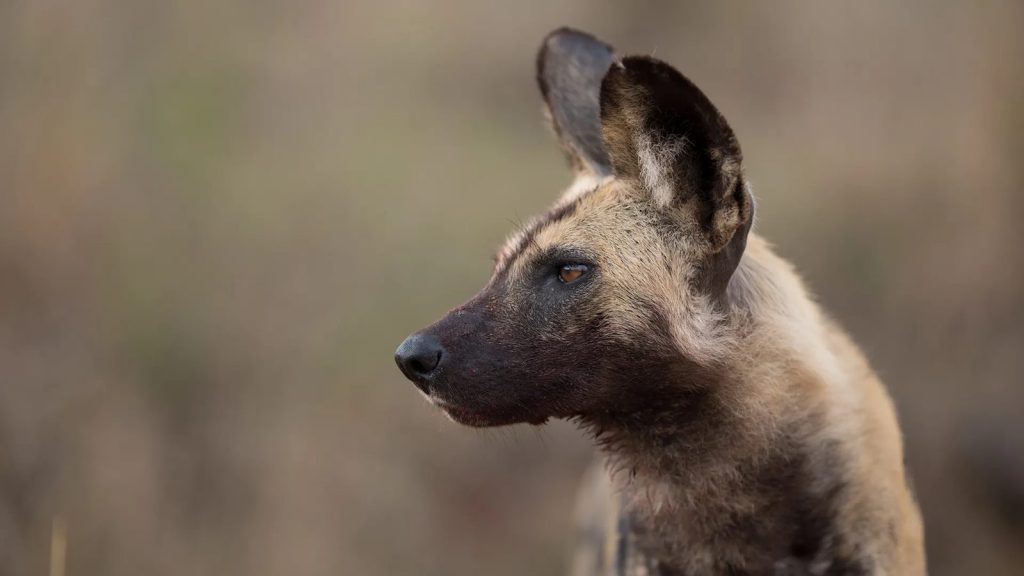
Practicing camera settings at home saves shots once lions or wild dogs appear in front of the vehicle. Local pets, backyard birds, or a kids’ soccer match all build the muscle memory you need. Fumbling through menus while a leopard walks past costs the moment.
A simple baseline for action: set shutter priority or manual mode with auto ISO. Auto ISO can help maintain exposure in changing light conditions without forcing you to adjust between every frame. A fast shutter speed around 1/1000s or higher freezes running predators and birds in flight. Set your camera to automatic burst mode for wildlife shots; continuous high-speed shooting captures split-second expressions and movements.
Light shifts constantly during a game drive. At dawn and dusk, open the aperture wide (f/2.8 to f/4) to pull in light. At midday, smaller apertures (f/5.6 to f/8) add depth of field, but watch your shutter speed. Check your camera settings frequently during game drives; a quick glance at the histogram reveals blown highlights before they ruin a frame.
Back-button focus separates autofocus from the shutter release, making it easier to track moving animals without accidentally firing frames. Focus on the animal’s eyes; sharp eyes anchor every wildlife portrait. Taking photographs in RAW format retains image detail for editing, giving you room to correct white balance and exposure later.
Compose stronger wildlife and landscape photos on safari
Vision and timing matter more than owning the newest body or longest lens. A wildlife photographer who reads animal behavior and anticipates the next move will capture frames that a rushed shooter with top-spec gear will miss. Practice patience by observing wildlife behavior before pressing the shutter.
Build storytelling sequences. Start with a wide establishing shot of the delta, floodplain, or savanna at sunrise. Move to a medium shot showing interaction or group behavior. Finish with a tight detail: eyes, paws, water droplets, or fur texture. This three-layer approach gives your gallery narrative flow.
Light direction shapes mood. Side light reveals texture in fur and bark. Backlight makes dust, water spray, and breath glow. Silhouettes at sunrise and sunset add drama. Capturing wildlife during the golden hour improves lighting quality across every subject. Shooting at eye level creates more intimate wildlife portraits; drop the camera to the vehicle’s door frame or beanbag to match the animal’s gaze.
The rule of thirds enhances composition in wildlife photography. Place the animal’s eye or head at an intersection point rather than dead center. Use foreground elements, leading lines like riverbanks or animal tracks, and negative space in open savanna scenes to draw the viewer into the frame. Anticipating animal behavior enhances photography opportunities; if an elephant approaches water, pre-focus on the spot where it will drink.
Capture environmental portraits for a broader context of wildlife. Birds, small mammals, insects, camp fireplaces, and quiet landscapes at dusk all add richness. A photo safari is not only about the Big Five.
Plan your photographic safaris by region and season
Match destinations and seasons to the kind of images you dream of capturing. Predator action and sparse bush call for dry season; green landscapes, newborns, and storm skies call for the wet months.
Botswana is a premier destination for photo safaris. A Chobe photo safari on the river puts you at water level with elephants and hippos. The Okavango Delta’s floodwaters typically peak in the dry winter months, offering boat trips and mokoro-level frames. Drier Kalahari landscapes suit minimalist composition and wide-sky shots. Private concessions in Moremi, Linyanti, and Selinda often allow off-road driving and dedicated photographic vehicles, depending on the concession.
Kenya offers classic landscapes and wildlife for photographers, and Tanzania is known for iconic landscapes and wildlife spectacles. Mara River crossings in Kenya’s Masai Mara typically fall in the second half of the year, and calving season in the southern Serengeti typically falls early in the year. East Africa rewards travelers who build flexibility into their trip, since herd timing responds to rainfall, not fixed dates.
South Africa mixes private reserves like Sabi Sands, where relaxed off-road rules and specialized vehicles give different angles, with national parks such as Kruger National Park for self-drive photography. Namibia, Zambia, and Zimbabwe offer unique photogenic landscapes for travelers seeking less-visited destinations.
Uganda and Rwanda draw travelers for gorilla trekking. Daily permits are limited; standard treks allow one hour with a gorilla family. Uganda’s Gorilla Habituation Experience extends viewing time. Booking months ahead is standard.
Stay practical: Packing, dust protection, and safety for camera gear
Dust, vibration, and tight spaces inside small aircraft affect camera gear more than most travelers expect on a first African safari. Planning for these conditions protects your investment and keeps you shooting.
Regional charter flights enforce soft-bag requirements and strict weight caps. Hard cases are often denied. Pack light, use padded inserts or wraps inside a soft camera bag, and weigh everything before departure.
Inside the vehicle, keep two camera bodies with lenses mounted and ready. A beanbag resting on the door frame or vehicle rail stabilizes heavy lenses without the bulk of a tripod. Avoid opening the rear of your bag in dusty wind. Organize so you can reach both bodies, swap a memory card, or grab a lens cloth without standing.
For dust and moisture protection, zip-lock bags, lens rain covers, and even a clean pillowcase over a lens between drives all work. Wipe down gear before returning to camp. Blow dust off front elements nightly. During green season, sudden rain hits fast; a waterproof cover for the body and lens saves a repair bill.
Families traveling with children can involve kids safely from vehicles or hides. Simple, durable cameras or phones with a wrist strap work for younger hands. Brief children on safety: stay seated, stay quiet near animals, and always listen to the safari guide.
Add special experiences: Gorilla trekking, night skies, and walking safaris
Some safari experiences demand a different photographic approach than standard game drives. Gorilla trekking, walking safaris, and night sky photography each carry unique constraints.
Gorilla trekking in Uganda and Rwanda takes place under dense forest canopy with low light. Park rules restrict standard viewing to one hour, require visitors to keep a minimum distance from the gorillas, and ban flash. Wide apertures (f/2.8 to f/4), fast lenses, and high ISO settings help freeze movement. A second camera with a shorter zoom captures environmental shots of gorilla families in forest context. Rain covers are non-negotiable in these tight spaces.
Walking safaris, where permitted, bring you closer to smaller subjects: tracks, insects, plants, and birds. Focal lengths around 100 to 400mm or even a macro lens suit these outings. Follow strict guide instructions, stay on trails, and keep movement quiet.
Night and astro photography at remote camps can be an amazing experience. Minimal light pollution reveals skies impossible to photograph near cities. Use a tripod, a wide angle lens at f/2.8 or wider, and plan around clear, moonless nights. Check each national park’s official guidelines for flash use, drone bans, and minimum distances to wildlife before you arrive.
Edit, back up, and preserve your African safari stories
A safari trip is short. The photos last decades. Protecting and gently editing them matters as much as taking them.
Run a simple backup routine each night: copy the day’s memory cards to a portable SSD, then store cards and drive in separate locations. Bring a multi-USB charger or portable power pack, since many camps rely on solar with limited charging hours.
For editing, use a RAW editor. Adjust exposure, set white balance (African light tends warm), lift shadows gently, crop tight where needed, and remove dust spots. Avoid over-processing; keep animal fur tones and skin tones natural. Shooting in RAW gives you the latitude to correct mistakes without degrading the image.
Keep a daily journal of sightings, weather, light conditions, and feelings. Matching photos to written memories later adds depth that metadata alone cannot provide.
Photography adds texture to a safari, but the trip itself is the real gift. A professional photographer and a family on their first African safari both benefit from putting the camera down occasionally. Some sunrises, guide conversations, and campfire moments deserve your full attention, not a viewfinder.
Start planning your photographic safari around the season and region that match the images you want to capture. Practice your photography skills before departure so your muscle memory is ready when Africa delivers the perfect shot.
Frequently Asked Questions
Do I need professional-level camera gear for an African safari?
Many travelers create meaningful images with a mid-range mirrorless or DSLR and a single 70 to 300mm or 100 to 400mm zoom lens. Knowing how to use your camera, adjusting shutter speed, f stop, and focus on the fly, matters more than owning a flagship body. A photographer who understands exposure and composition will outshoot someone with top gear and no practice.
Can I rent camera gear in Botswana or East Africa?
Some specialist operators and lodges provide loan lenses or have photo vehicles stocked with gear. Availability and brands vary; not every camp carries super-telephoto or specialty lenses. Confirm directly with your camp or tour company weeks to months before departure so you can plan around what is and is not supplied.
Is it safe to travel with expensive camera equipment on safari?
Keep camera gear in carry-on bags during flights. Use lockable cases or safes at lodges. Follow your safari guide’s advice when moving between vehicles, boats, or hides. Check with a trusted insurer about travel coverage for high-value items before departure; standard travel policies often cap electronics coverage below the value of a professional kit.
How many memory cards should I bring on a week-long safari?
Bring several high-speed cards rather than one large card. Burst mode and hundreds of frames per encounter mean many travelers shoot thousands of images per day. Multiple cards reduce the risk of losing everything if one fails. Six or more cards is a reasonable starting point for a week-long trip.
Can children learn safari photography on a family trip?
Many families introduce kids to photography on safari using simple cameras, bridge cameras, or phones. A wrist strap prevents drops from the vehicle. Set clear safety rules: stay seated, keep the device inside the vehicle, and always listen to the guide around wildlife. Children often photograph birds, landscapes, and camp life with enthusiasm that produces surprisingly good results.